






The Rise of Basketball Culture: From Local Leagues to Global Phenomenon


The Growth of Basketball Culture: From Local Leagues to Global Sensation
Originating in Massachusetts over a century ago, basketball has become a worldwide phenomenon. From lively city courts to small-town leagues, its cultural impact runs deep. This article explores how the game’s influence extends beyond just play, strengthening community connections, boosting local economies, and fostering cultural exchange. The sport’s simple requirements—a hoop, a ball, and a flat surface—mean it can flourish almost anywhere, inviting participation regardless of age or income. Pick‑up games unfold under park lights, in school gyms, and on makeshift courts, creating daily rituals that anchor neighborhoods. The squeak of sneakers and the thump of the ball become a familiar soundtrack, signaling a space where effort and creativity are celebrated. Basketball also travels well; migrants and students carry it across borders, forming new circles of friends through shared drills and scrimmages. Whether organized five‑on‑five or quick three‑on‑three, the game adapts to available space and time, turning ordinary corners into sites of connection.
The Cultural Importance of Basketball
In many regions, basketball is more than a game; it is a shared cultural landmark. In North America, it is interwoven into daily life and often symbolizes the American dream—progress through dedication and skill. Friday nights in high school gyms become community gatherings where families, former players, and local businesses converge. College tournaments command national attention, but so do quiet weekend leagues where teachers, nurses, and delivery drivers compete with pride. In the Philippines, the game enjoys nearly sacred popularity, shaping daily routines and community identity. Neighborhood “barangay” courts fill from sunrise to late evening, and televised professional games are watched in living rooms, cafes, and outdoor watch parties. The sport’s accessibility fuels this devotion; improvised backboards, repurposed spaces, and shared equipment make participation possible even where resources are limited.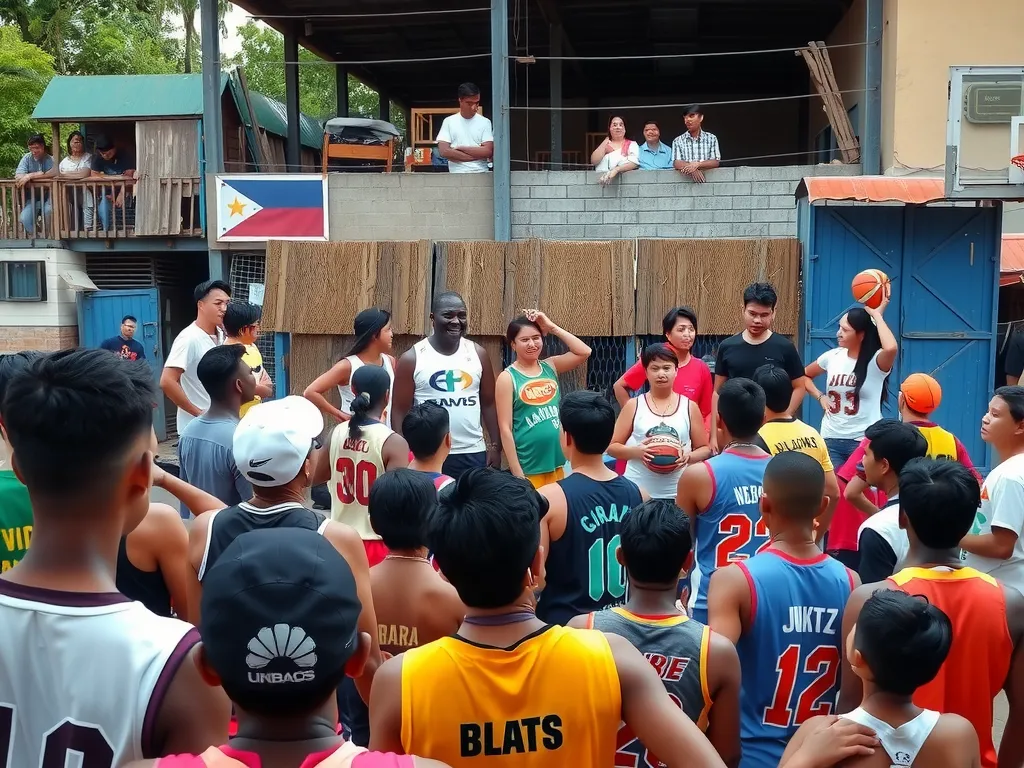
In nations like Lithuania, basketball brings people together and ignites national pride, cutting across political and social divisions. The sport is spoken of as a cultural heritage, with local clubs becoming symbols of collective resilience and aspiration. Across the Balkans, from Serbia to Croatia, generations trade stories of legendary clubs and national teams, blending memory with instruction for the next wave of players. This significance is mirrored across Africa, where grassroots efforts aim to harness the sport’s power to build stronger communities. Village and city tournaments draw crowds that include artisans, vendors, and musicians, turning games into festivals of local identity. Women’s and youth competitions increasingly share the spotlight, reinforcing the idea that the basketball community is at its strongest when it is inclusive and representative.
Development of Local Leagues
Local leagues support basketball’s global growth. In Africa, the Basketball Africa League (BAL) has raised the game’s profile, giving local players platforms to excel. Its presence encourages investment in coaching, officiating, and sports medicine, elevating standards for everyone involved. Across South America, countries like Argentina and Brazil maintain lively leagues that develop local talent, many of whom progress to international contests. Rivalries between historic clubs nourish a sense of belonging that extends beyond sport and into regional culture. Similar momentum appears in Asia and Oceania, where leagues in Japan, Australia, and the Philippines cultivate distinctive playing styles while expanding fan bases. Together, these circuits offer stepping stones for athletes who dream of international careers yet remain deeply connected to their hometowns.
These leagues do more than train athletes. They create environments where community involvement and professional ambition intersect, fostering a sustainable basketball ecosystem. Youth academies associated with local clubs teach fundamentals alongside study support, ensuring players develop as students and citizens. Coaching clinics spread best practices on player safety and wellness, while officials’ programs raise the quality of competition. Teams partner with schools and community centers to run reading drives, mentorship networks, and nutrition workshops, extending the league’s impact beyond the court. By anchoring programs in local values and needs, leagues cultivate loyalty that survives win‑loss cycles and inspires long‑term participation.
Influence of Global Stars and Leagues
The sport’s cultural momentum also reflects the influence of international icons. Figures like Michael Jordan and, more recently, LeBron James, helped bring basketball to global audiences. Their impact extends beyond performance, influencing fashion, advancing social causes, and supporting community efforts. Modern stars from around the world—such as pioneers from Europe, Africa, and Asia—illustrate that elite talent can emerge from any corner, further widening the game’s reach. The rise of sharpshooters and versatile bigs has changed how youth train, prioritizing skill development at every position. Prominent women’s players command growing global followings, demonstrating leadership on and off the court and redefining what elite basketball looks like. Together, these figures model professionalism, creativity, and civic engagement, turning personal brands into vehicles for community investment.
The NBA’s global presence is significant. Through overseas games and partnerships, the league has reached diverse markets and built a vast fan base. That expansion has opened doors for regional leagues and highlighted talent in areas that previously received little recognition. Collaborative programs link training academies, coaching exchanges, and scouting events, encouraging a two‑way flow of knowledge and opportunity. International tournaments and women’s leagues benefit from this network effect, as athletes gain visibility and access to high‑level competition. Increasingly, developmental pathways include multiple stops—local clubs, regional leagues, international showcases—before players land in major professional circuits. The result is a broader talent pipeline and richer stylistic diversity that refreshes the global game each season.
Role of Technology and Media
Digital platforms have changed how people watch and share basketball. YouTube and TikTok offer everything from skill tutorials to highlight reels, making the sport easier than ever to access. This shift helps fans connect, discuss, and celebrate the game across various backgrounds. A teenager can learn footwork from a slow‑motion breakdown filmed continents away, while a coach can upload practice drills that spread quickly through online communities. Livestreams deliver lower‑division and youth games to relatives and scouts who cannot attend in person, shrinking distance for families and supporters. Translation tools and captions bridge language gaps, expanding the reach of analysis and storytelling. Even emerging technologies such as motion‑tracking apps and augmented demonstrations help players visualize angles, timing, and spacing in ways that were once possible only in elite training centers.
Fantasy basketball has also gained popularity, giving fans an interactive way to engage. Managing teams, making strategic decisions, and interacting with a global community bring the game into daily life and deepen cultural involvement. The rise of second‑screen viewing—checking live stats, joining chat threads, and sharing clips while a game unfolds—turns solitary spectating into a social event. Video‑game leagues and digital collectibles add new layers of fandom, allowing supporters to compete, curate, and commemorate. Responsible participation remains important, but when approached thoughtfully, these tools foster creativity and collaboration among fans. The result is a media ecosystem where spectators are no longer passive; they are co‑authors of the conversation around the sport.
Grassroots Programs and Youth Involvement
The sport’s future depends on reaching young players. Grassroots initiatives in developing regions, including the NBA’s Jr. NBA program, introduce basketball through clinics and competitive events. These programs focus not only on discovering future stars but also on using sport as a tool for development. Community organizations partner with schools to provide safe spaces, equipment, and coaching for children who might otherwise lack access. Special attention to girls’ participation and inclusive programming ensures that enthusiasm for the game translates into opportunities for everyone. Smaller‑sided formats like three‑on‑three lower barriers to entry, fit into tight schedules, and give beginners more touches, building confidence and skill more quickly.
Programs emphasize life skills, teamwork, and discipline, preparing youth for roles on and off the court. By taking a comprehensive approach, they enhance basketball’s lasting appeal and support its continued growth. Workshops on leadership, health, and study habits complement drills on passing and defense, linking athletic progress to personal development. Mentors—often former players—guide participants through challenges at school and at home, reinforcing habits that persist long after a season ends. Alumni frequently return as volunteers, coaches, and referees, strengthening intergenerational ties. In this way, grassroots systems do not simply produce athletes; they cultivate citizens who carry basketball’s cooperative spirit into their workplaces and communities.
Economic and Social Effects
Basketball boosts local economies by attracting visitors, creating jobs, and supporting related industries. From local merchandise sales to major events that drive tourism, the sport adds significant economic vitality. Game days ripple outward to restaurants, ride services, and neighborhood vendors, while media coverage brings exposure to small businesses near arenas. Leagues contract with photographers, statisticians, medical staff, and event managers, developing specialized careers that keep talent in the community. Practice facilities and renovated parks stimulate public investment, and tournaments fill hotel rooms during off‑season months. When planned with residents in mind, these benefits can be distributed widely, reinforcing the idea that sport and economic development can thrive together.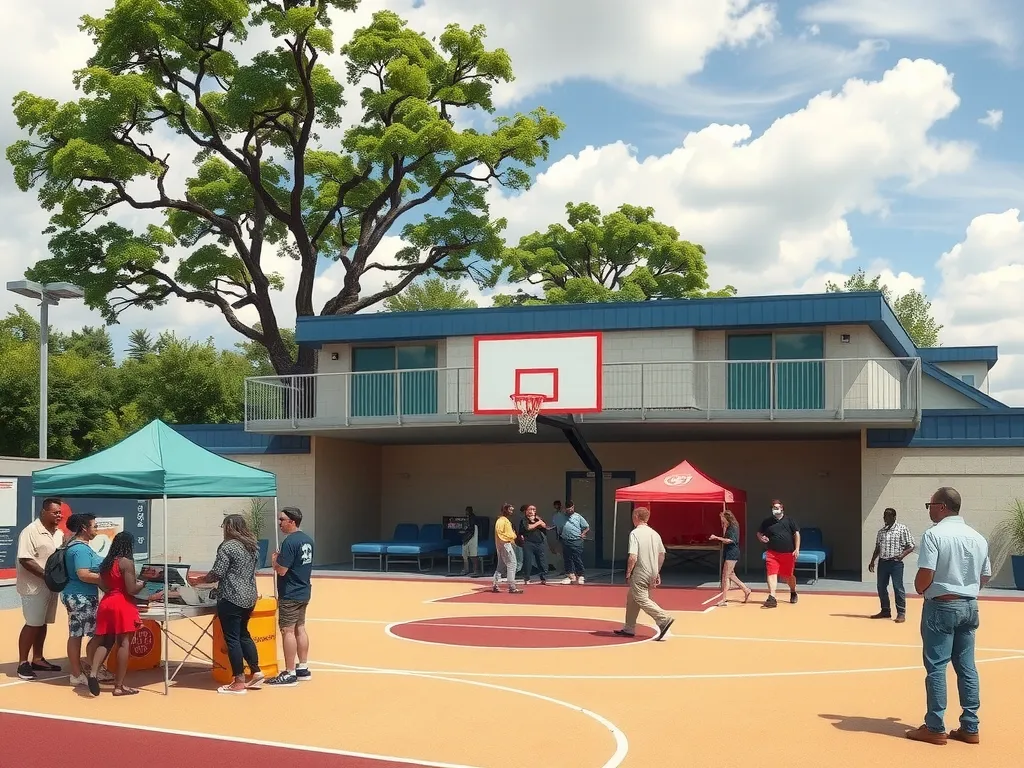
Courts and arenas often serve as community hubs. They provide spaces for social activity, fitness, and programs that encourage inclusion and cohesion across diverse groups. Open‑gym hours accommodate casual players, while adaptive and wheelchair basketball ensure that people with disabilities are central to the scene. Cultural nights celebrate local heritage through music, food, and dance alongside the game itself, turning matchups into civic festivals. In times of need, these venues can host relief drives and public‑health initiatives, underscoring their role as trusted gathering places. Thoughtful design—good lighting, safe pathways, shade, and accessible seating—invites families and elders to linger, transforming courts into welcoming public squares.
Conclusion: The Future of Basketball Culture
Basketball’s growth highlights its adaptability and cultural impact. As it continues to spread, the game will integrate into new contexts, each contributing unique stories to its history. The relationship between basketball and culture remains dynamic, influenced by social trends, technology, and global interaction. As training knowledge circulates, playing styles evolve, producing more position‑fluid lineups and creative strategies. Meanwhile, communities are asking how to keep the sport affordable, environmentally responsible, and equitable across genders and abilities. The answers will vary by region, but the central goal is shared: preserve the joy and openness that made the game travel so far in the first place.
Looking ahead, basketball is set to keep inspiring and connecting communities, showcasing both athletic excellence and the social and cultural bridges it builds. With ongoing support for local leagues and grassroots programs, the sport is well-positioned to uplift community spirit and global unity.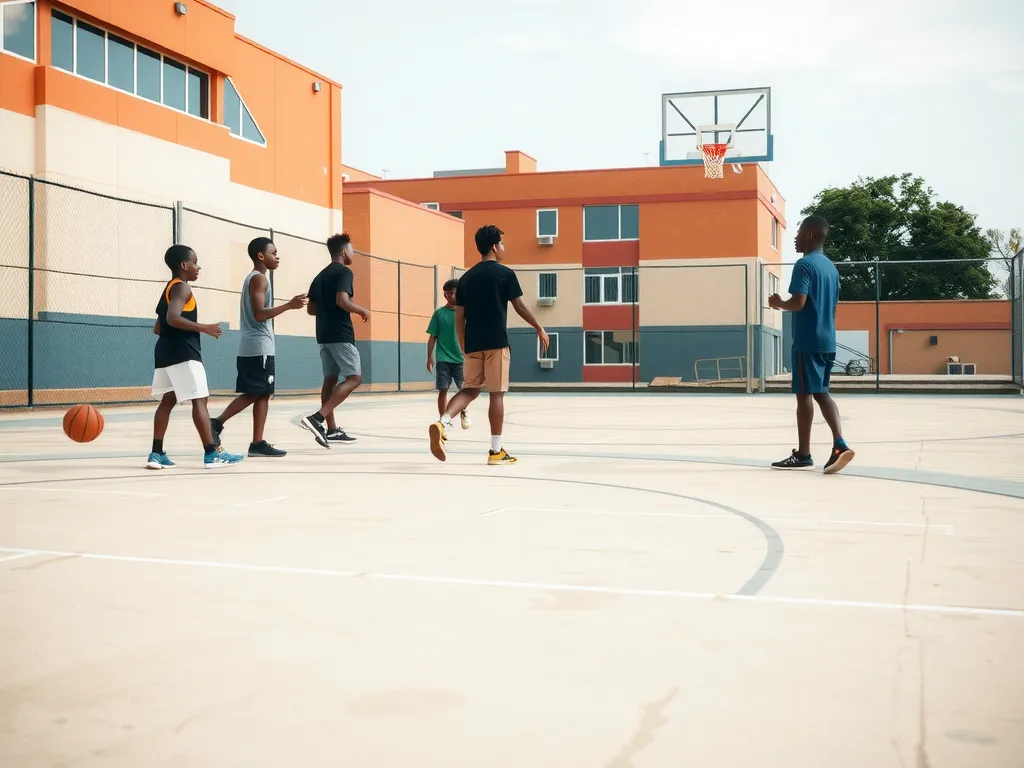 Investments in coaches, safe facilities, and inclusive programming will shape the next generation of players and fans. Media and technology will continue to amplify local stories, ensuring that small‑court triumphs resonate across the world. As long as there is a rim and a ball, communities will gather to play, cheer, and learn from one another—keeping basketball’s culture vibrant, adaptable, and profoundly human.