






Transforming Sports Coaching and Analytics with AI

Transforming Sports Coaching and Analytics with AI
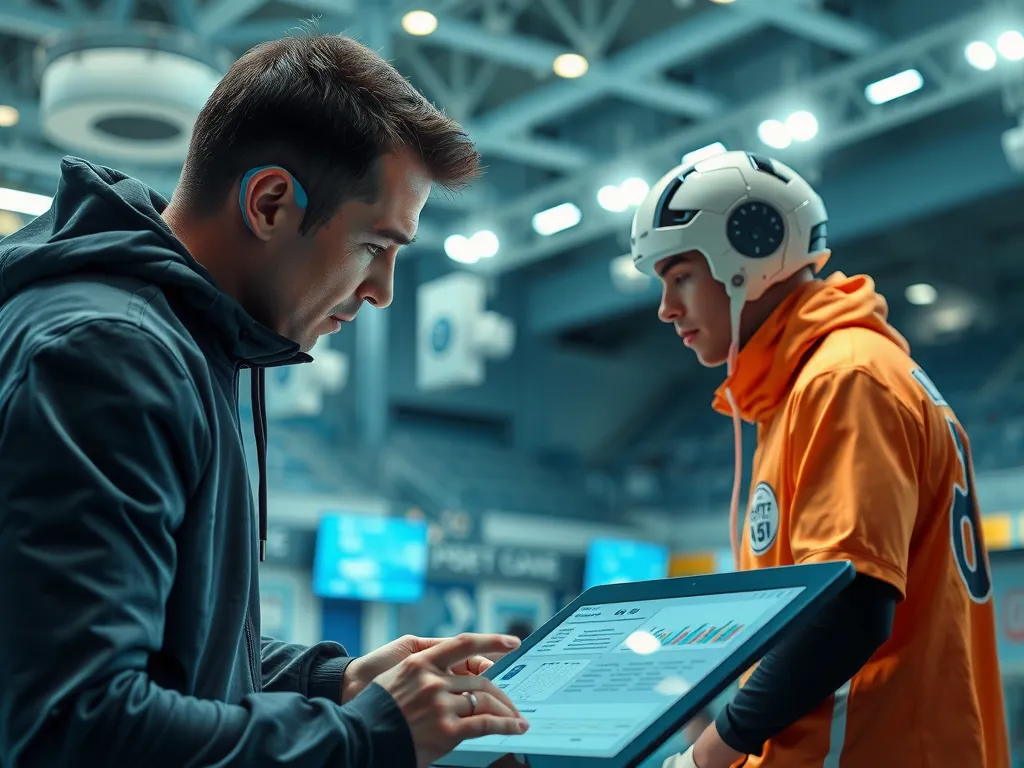
Artificial intelligence (AI) has revolutionized areas from healthcare to finance, making processes more efficient and improving decision-making. In sports coaching and analytics, it is equally transformative, redefining athlete training, competitive strategy, and career management. Tasks that once required detailed manual analysis are now performed swiftly, giving coaches more time for strategy and less for paperwork. Across all levels—from youth programs to professional leagues—AI converts complex data into actionable insights, combining video, tracking metrics, medical notes, and scouting reports into a common language accessible to everyone from interns to seasoned experts.
This article explores AI’s role in enhancing coaching and analytics—reshaping strategies, refining performance metrics, and strengthening injury prevention. It also examines the challenges of adopting these technologies and outlines future possibilities, emphasizing responsible integration that balances innovation with ethics, governance, and athlete well-being.
Let’s dive into AI’s capabilities in sports management and coaching, highlighting current innovations and forecasting future advancements. Whether you’re a head coach, performance specialist, analyst, or athlete, understanding AI’s strengths and limits supports better questions, smarter training designs, and confident decision-making. Our goal is to foster systems where data, intuition, and culture work together to create a lasting competitive edge.
AI Changing Coaching Strategies
The arrival of AI allows coaching teams to process large datasets and uncover strategic insights during competitions. Coaches can analyze player positioning and tactical decisions in real time. Advanced computer-vision models identify and categorize scenarios such as high-press triggers and set-piece routines, then offer suggestions based on success probabilities. Hours of film review transform into immediate, actionable insights, helping coaches make informed choices in critical situations.
Frontiersin.org
discusses competitor-analysis methods that mirror AI’s role in helping teams benchmark against league trends, enabling a flexible strategy rather than a fixed plan. By identifying overused actions and optimizing lineup performance, AI supports research-based strategies that adapt match by match. Even as traditionalists adopt slowly, successful programs blend core philosophies with model-driven insights, using AI to validate strategies before competition.
Data-Driven Performance Improvement
Beyond strategy, AI boosts daily training. Technologies gather data from wearables and sensors, allowing coaches to predict performance and manage fatigue through personalized training loads. Systems like
digital twins
monitor variables such as heart rate variability and sleep depth to recommend tailored intensities. Season-aligned fatigue management helps ensure readiness for important fixtures, with programs tuned to anticipate periods of peak exertion.
Machine-learning pipelines translate complex physiology into clear, user-friendly dashboards.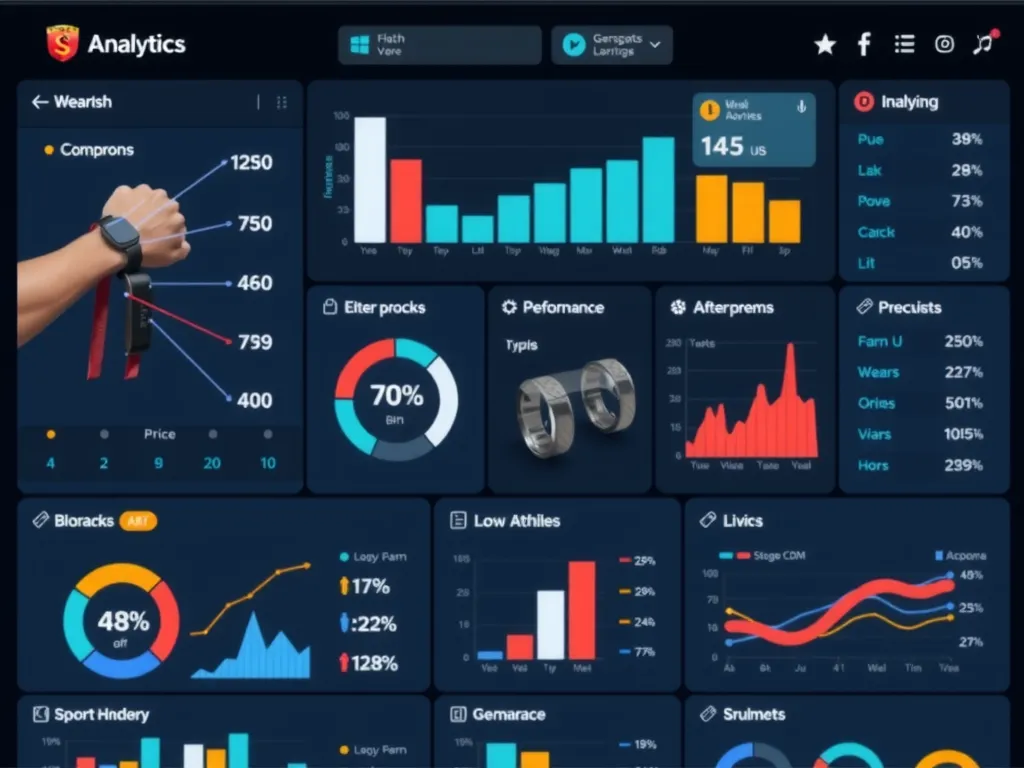 These insights drive practical adjustments—better sleep routines, optimized warm-ups, and adaptive recovery plans—so athletes can maintain optimal performance throughout the season.
AI in Injury Prevention and Recovery
AI is crucial in injury prevention and rehabilitation, offering early risk detection based on movement patterns and biometric data.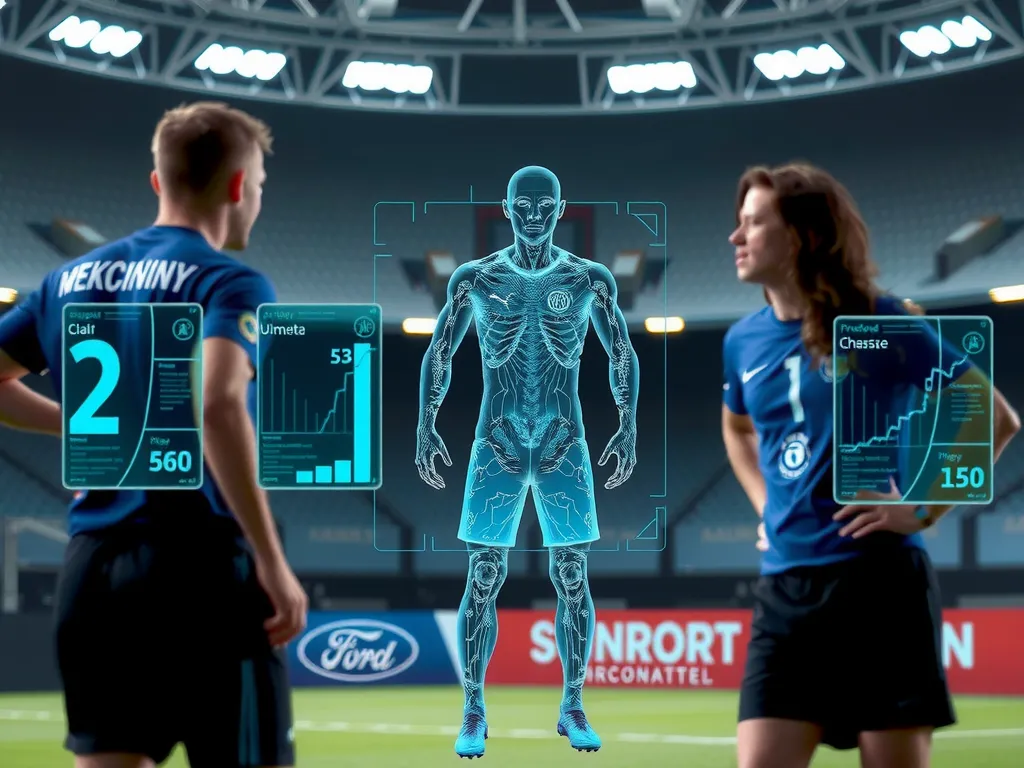 Analytical models identify indicators like asymmetrical deceleration or landing patterns that precede injuries, prompting preventive conditioning. For example, in sports such as soccer, AI’s application in injury prediction is significantly reducing recurrence rates by identifying potential injuries before they occur, as corroborated by
sciencedirect.com
.
Ethical considerations around this sensitive data are vital, requiring strong policies on transparency, consent, and privacy. AI should support rather than overshadow medical decision-making, and athletes should be involved in managing their health. Success stories of AI integration build trust, improving adherence and resilience during rehabilitation programs.
AI Tools and Technologies for Coaches
Coaches increasingly rely on a diverse set of AI-driven tools to enhance data-informed decision-making.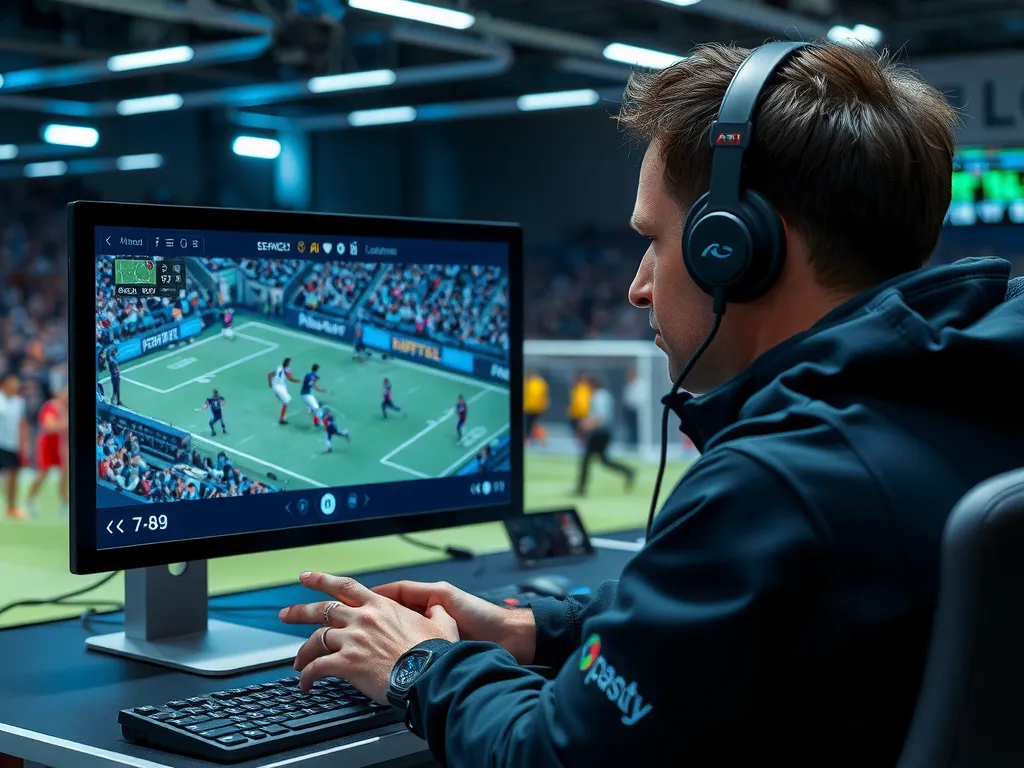 Solutions such as the
Coach AI
platform use deep learning to analyze match footage, identify tactical gaps, and suggest improvements. Natural-language processing systems synthesize scouting reports and automate event tagging and practice planning based on weekly training goals. These innovations free coaches to focus more on direct athlete engagement and less on time-consuming administrative tasks.
Integration is most effective when tools connect seamlessly with existing systems, such as video platforms and communication networks, reducing friction for users. Smart notifications help guide behavior—recommending less contact in practice or highlighting key video clips to review. When AI fits naturally into daily routines, it improves decision-making while minimizing manual effort.
Overcoming Challenges and Barriers
Despite clear benefits, AI adoption in sports often faces skepticism. Success depends on gradual rollouts and data-backed evidence from focused pilot programs that demonstrate model effectiveness. Creating training environments where AI complements rather than replaces coaching excellence helps bridge traditional resistance. Regular analytic reviews encourage dialogue and understanding between technical staff and on-field trainers.
Strong training and governance ensure data consistency and security, aligning all parts of the system. Evaluating AI’s impact with both technical and human measures demonstrates broad value beyond win-loss records. Upskilling initiatives raise data literacy across the team, while ethical oversight committees can assess new AI efforts. Stories from successful implementations guide others through the integration process.
The Future of AI and Sports Coaching
The next era of AI-powered coaching will advance VR training, sophisticated tactical simulations, and athlete-specific analytics, as noted by
deloitte.com
. Immersive practice environments will help athletes anticipate opposition strategies at game speeds, with adaptive systems modifying challenges in real time. Advanced technologies will support database-driven player development models, recommending optimal training plans while preserving privacy and competitiveness.
The synergy of AI, data analytics, and sports intelligence promises improved performance and richer fan engagement through insightful features. Strategic data use, clear regulatory frameworks, and equitable technology access will elevate the sporting community—ensuring AI’s benefits reach all stakeholders without compromising competitive integrity.
Conclusion
The integration of AI in sports is reshaping strategy, training, and health management. Teams embracing AI to drive improvement and innovation are advancing performance and coaching methods. Collecting data alone is insufficient; real progress comes from embedding insights into daily practice—targeted coaching, coherent training frameworks, and adaptive recovery methods.
Teams are encouraged to embrace AI’s potential gradually and responsibly. Start with small pilot projects, promote shared understanding across coaching staffs, and prioritize athlete well-being. Gradual scaling with consistent monitoring fosters trust and maximizes the technology’s potential, allowing machine assistance to enhance rather than hinder professional judgment.
As AI continues to influence the sports landscape, collaboration between human insight and machine intelligence will move organizations forward. Leveraging this partnership will sharpen clarity, increase personalized support, sustain longevity, and turn challenges into opportunities for continuous innovation and success.