How AI is Transforming Basketball Training: From Data Insights to Predictive Coaching
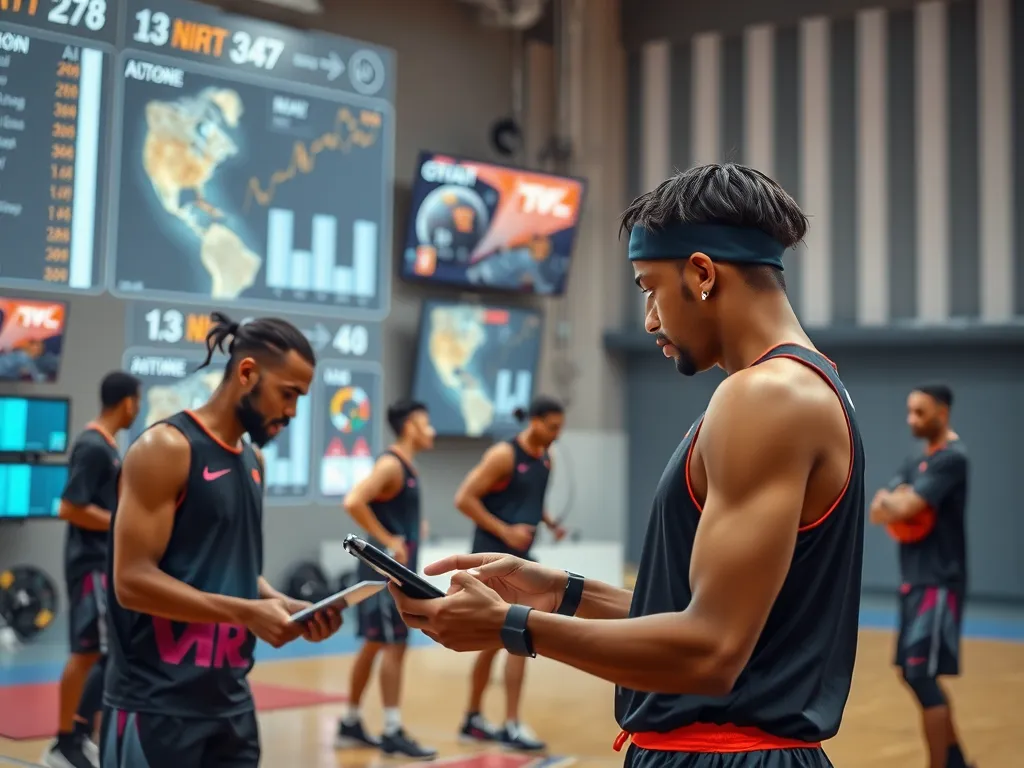
Basketball training is undergoing a significant change as Artificial Intelligence (AI) evolves from an idea to a common tool. Where traditional methods once prevailed, AI now offers clearer insights, accurate data analysis, and new ways to develop players. This article explores how AI is becoming a part of basketball’s training culture, boosting individual performance and guiding more intelligent coaching. What once lived in film rooms and scouting binders has moved onto courtside tablets and cloud dashboards, turning instincts into measurable signals coaches and players can act on. From youth gyms to professional arenas, AI is shaping not just how athletes practice,
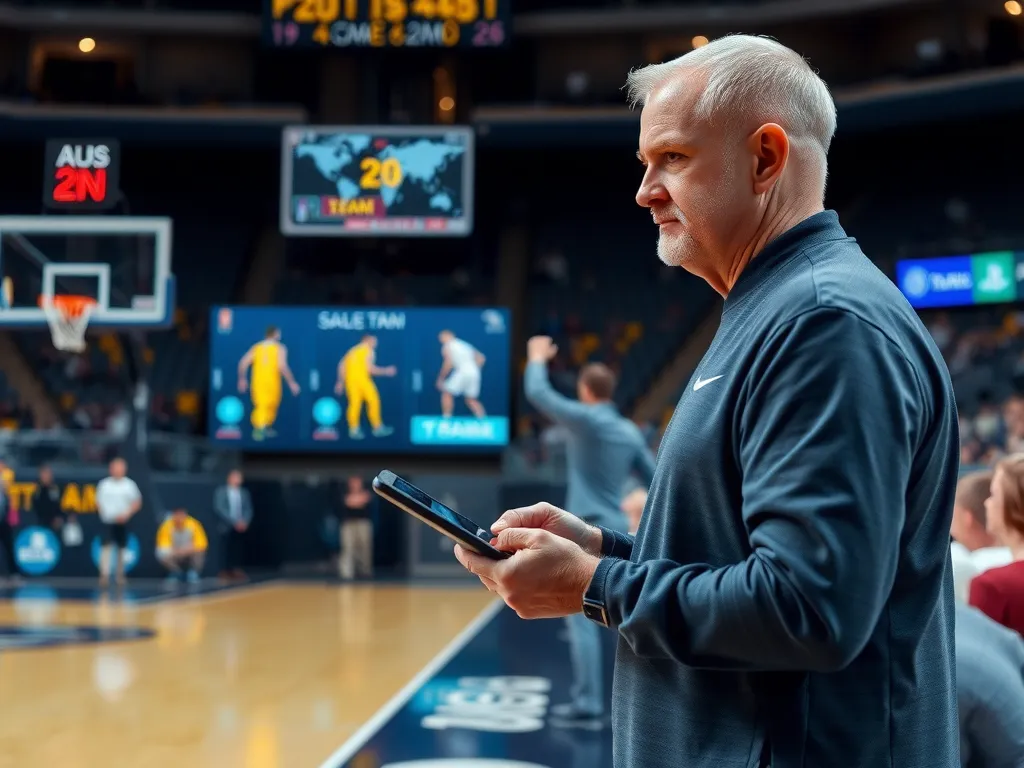 but how they understand the game, communicate as a unit, and maintain health over long seasons.
The Importance of AI in Basketball
Fast-paced and highly competitive, basketball has always relied on numbers and strategy. Yet standard performance metrics often miss the full picture of a player’s strengths, weaknesses, and areas for improvement. Coaches need to bridge the gap between what is seen on the court and the potential that remains untapped. Box scores reveal outcomes, but rarely the quality of decisions that led there—how well a screen was set, whether a cut created gravity, or if a closeout arrived a split-second late. AI helps surface these hidden layers, making context as visible as results.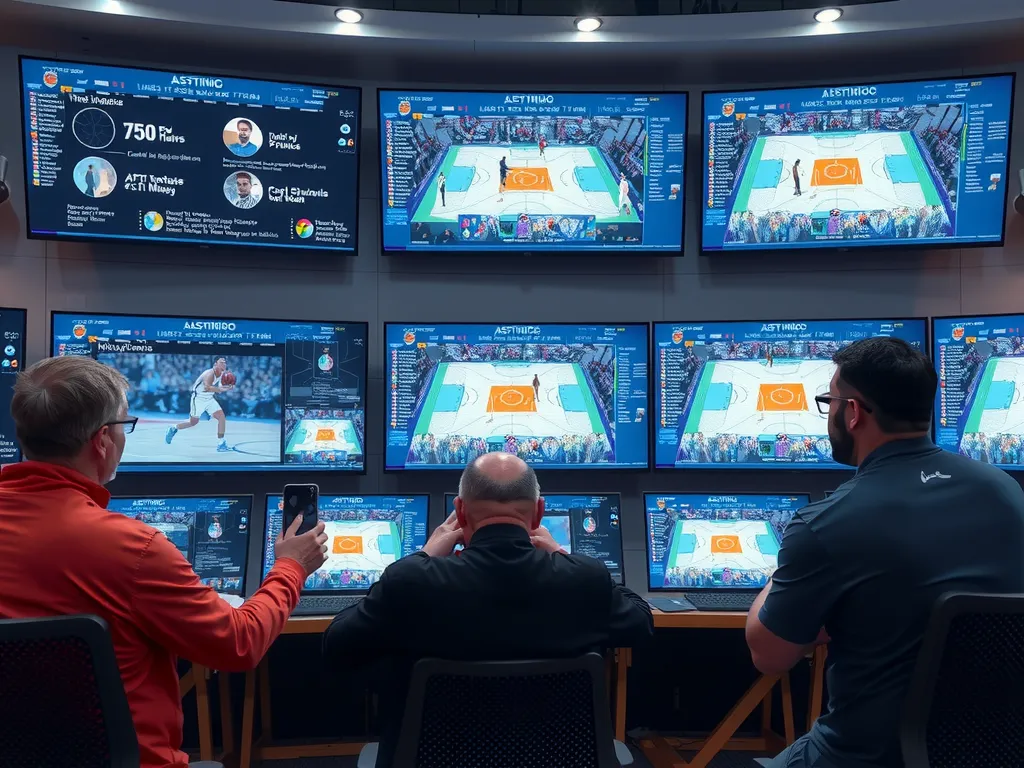
Traditional methods based on observation and broad assessments can overlook subtle yet critical details. AI steps in to examine every dribble, pass, and shot with remarkable accuracy. Using machine learning and data analysis, teams uncover deeper patterns in player mechanics and overall game strategies. Minute elements such as foot placement on step-backs, deceleration rates before pull-ups, shoulder tilt on drives, and the timing of help defense rotations become quantifiable signals. By converting video and sensor inputs into repeatable measures, coaches can separate momentary variance from true trends and intervene with precision.
One clear reason AI is important is its ability to process data on a scale humans cannot. Real-time readings on movement and shot success rates provide coaches with actionable information, supporting strategic decisions as the game unfolds. Systems can analyze thousands of possessions, simulate likely responses, and suggest matchup adjustments while the ball is in play. This does not replace a coach’s judgment; rather, it equips staff with sharper probabilities and clearer trade-offs, anchoring tactical choices to evidence instead of guesswork under pressure.
AI Tools Shaping Modern Training
A surge of advanced AI tools is redefining how players train and how coaches plan strategies. Wearables track biometrics, while advanced algorithms analyze game footage. Together, these tools are at the heart of today’s transformation.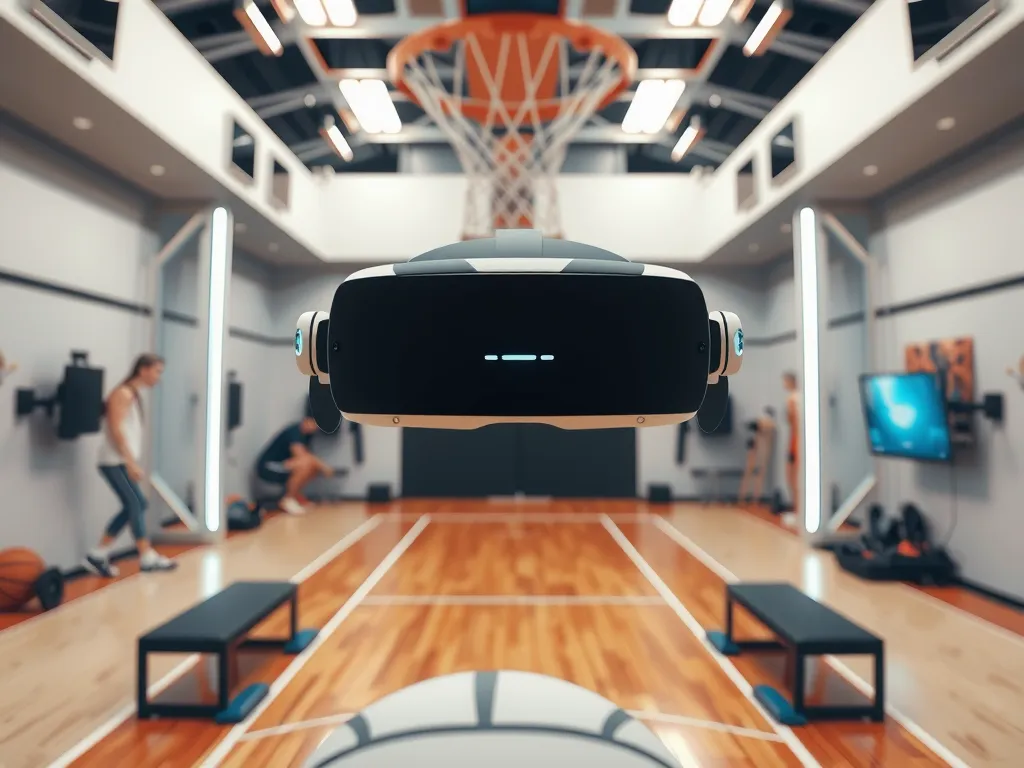 Lightweight sensors measure acceleration, jump load, and asymmetries; optical systems convert player movement into precise coordinate data; and audio analysis can even flag communication breakdowns. Integrated platforms combine these streams so a shooting slump, for example, can be linked to fatigue markers or subtle mechanical drift rather than addressed in isolation.
Consider AI-powered video analysis platforms. They break down every frame of a game to offer clear insights, tracking positioning, revealing strengths and weaknesses, and pinpointing specific areas for enhancement. With this detail, training sessions can be customized to focus on what each player needs most. Automated tagging finds actions—ball screens, slips, flare cuts—without an army of interns, while models estimate shot quality based on defender proximity, angle, and pass speed. Players receive short, personalized clips that show patterns across games, turning film study into an engaging, efficient routine rather than a time-consuming chore.
Examples from major basketball teams show how effective these tools can be. The Los Angeles Lakers, for instance, have incorporated AI systems to refine their defensive strategies, effectively analyzing opponent tactics. These tools not only improve strategic planning but also optimize player workload, reducing the risk of injury through data-driven adjustments in training intensity. Coaches can shape weekly microcycles around readiness scores, target recovery for high-stress movement patterns, and track whether practice constraints actually transfer to games—closing the loop between plan, execution, and outcome.
Predictive Coaching and Its Influence
Predictive coaching is the forefront of AI in sports.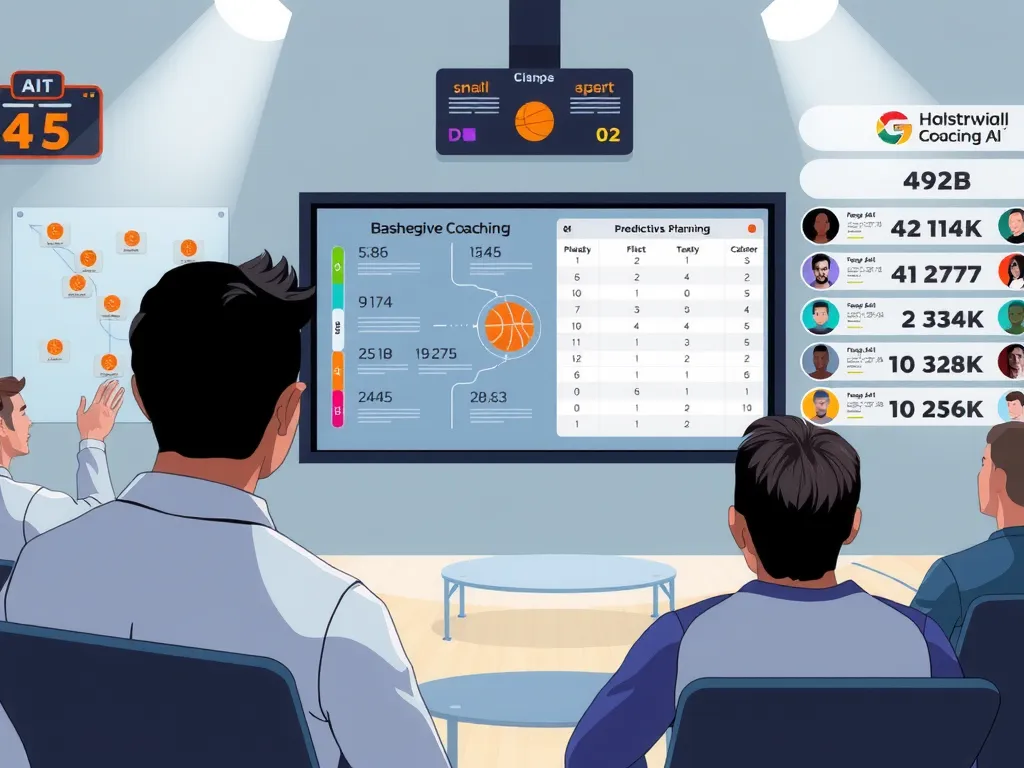 By examining player data, AI forecasts performance trends and likely outcomes, shaping practice plans and game-day choices. Instead of reacting to what opponents did last week, models simulate how they might respond to specific lineups or schemes today, giving staffs a head start. Late-game scenarios can be run thousands of times to evaluate the impact of fouling, switching coverages, or hunting particular matchups before the moment arrives.
At its core, predictive coaching uses historical data to predict future success. Coaches can create game plans that exploit an opponent’s weaknesses while maximizing their own team’s strengths. Training becomes more personal, focusing on the areas with the greatest potential payoff. For instance, if analytics indicate a wing thrives attacking with his left after a ghost screen, practice can prioritize those reads and the teammates’ timing around them. The goal is not merely to be prepared in general, but to be specifically prepared for the highest-leverage actions a team is likely to face.
In practice, this approach can enhance shooting drills. By studying a player’s shooting in different situations, coaches adjust exercises to reinforce what’s working or address what isn’t, improving overall efficiency. A guard who excels on catch-and-shoot attempts but struggles off the dribble might train with tighter time and space constraints, gradually increasing difficulty while monitoring form stability. Feedback becomes immediate: arc, release time, and landing pattern are tracked rep by rep, keeping practice aligned with the outcomes coaches want to see in games.
AI in Player Development
AI-driven development focuses on the individual,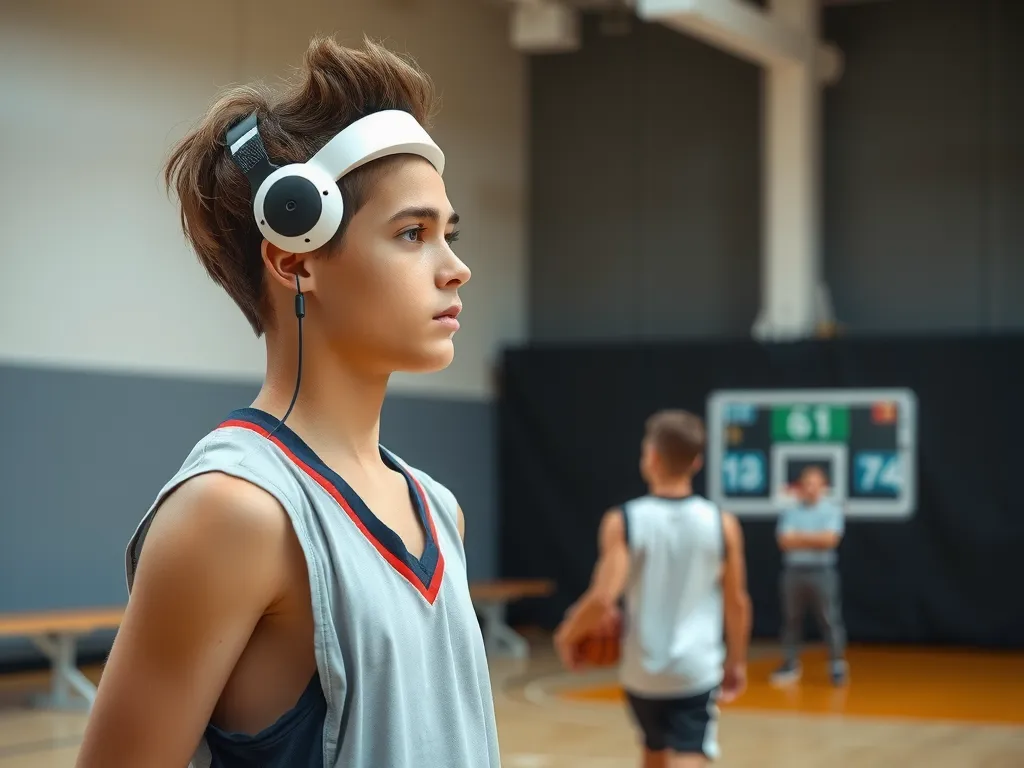 creating training programs that adapt over time to performance and growth markers. This is particularly helpful in youth systems, where timely adjustments can significantly influence a player’s trajectory. As athletes change—through growth spurts, role shifts, or new responsibilities—models recalibrate expectations and goals. The result is a living plan that evolves with the player, balancing skill acquisition, physical readiness, and psychological load to support long-term progress rather than short-term spikes.
Wearable sensors with AI capabilities track heart rate, speed, and other physiological metrics in real time, providing instant feedback to fine-tune training intensity. This personalized approach ensures support matches each player’s strengths and weaknesses, promoting balanced progress. Coaches can spot asymmetries that suggest fatigue, adjust drill density to keep quality high, and deliver cues that simplify complex mechanics. Over months, the system highlights which interventions actually stick—helping staffs invest more time in methods that create durable change.
The story of a rising basketball star, whose career was recalibrated through AI intervention, highlights AI’s potential. With AI’s help in identifying inefficiencies in the player’s shooting form, targeted exercises led to significant improvements, demonstrating the transformative power of technology in nurturing young talent. By mapping how his release varied under pressure, coaches introduced constraint-led drills that stabilized technique without overthinking. Confidence followed, and with it, more consistent performance—an example of how data, wisely used, can amplify the human side of development rather than reduce it to numbers.
Ethical Considerations in AI Use
Even with clear advantages, AI raises important ethical questions. Collecting and using player data brings privacy concerns, making robust data security crucial to prevent misuse or unauthorized access. Teams must define who owns performance data, how long it is stored, and under what conditions it can be shared. For younger athletes, informed consent includes parents or guardians, and retention policies should reflect the heightened duty of care owed to minors. Clear boundaries help sustain trust and maintain focus on athlete welfare.
There is also the risk of bias within algorithms that could distort a player’s profile or miss context. Transparency and regular audits of AI systems are essential to uphold fairness and accuracy. Training data skewed toward certain playing styles or body types can undervalue others, particularly in women’s basketball or non-traditional roles. Black-box recommendations that influence contracts, minutes, or roster status must be scrutinized, with opportunities for athletes and coaches to challenge and contextualize model outputs. Human judgment remains the final safeguard.
Sound implementation practices include a strong ethical framework that prioritizes player consent, clear data-use policies, and fair treatment for all team members. Independent oversight and routine bias testing should be standard, alongside education that builds data literacy across the organization. Establishing opt-in choices, purpose-limited analytics, and accessible explanations of how models work fosters a culture where technology supports people—and where people understand enough to hold the technology accountable.
The Future of Basketball with AI
As technology advances, AI’s role in basketball will keep growing. Emerging possibilities include richer virtual training environments where players can rehearse scenarios and improve decision-making without physical limits.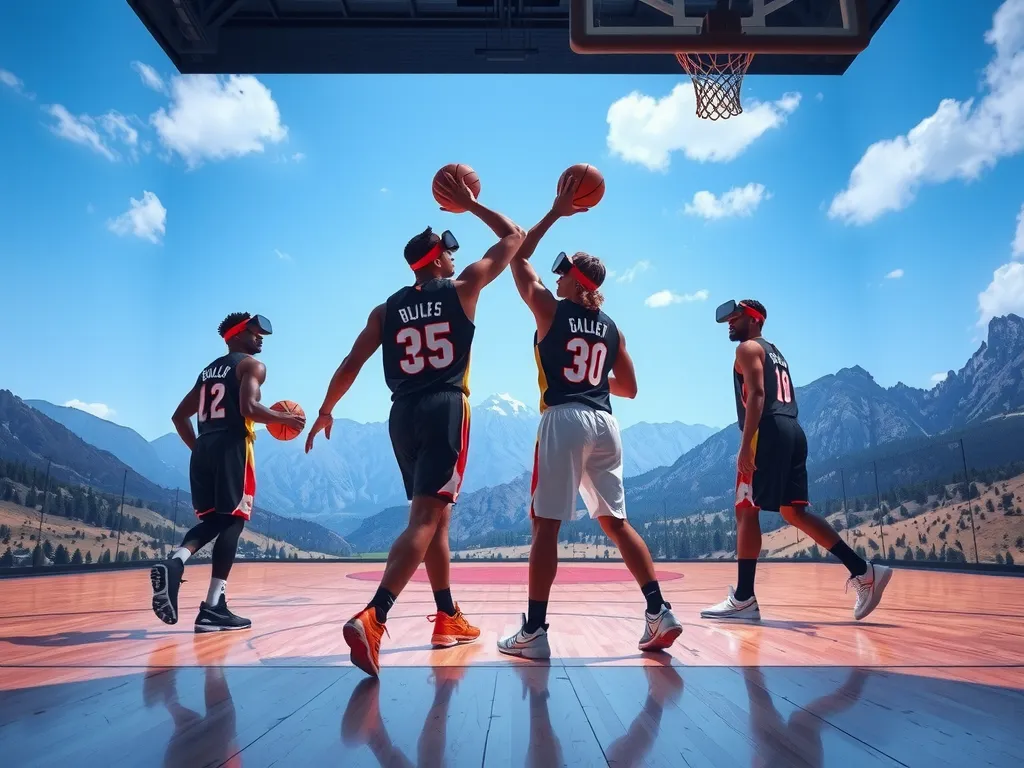 Augmented reality could overlay defensive cues during skill work, while virtual reality replicates crowd noise and clock pressure to train emotions alongside technique. Digital twins—data-informed models of players and teams—may allow staff to test new lineups or schemes safely before trying them on the court.
Looking ahead, stakeholders are encouraged to adopt AI wisely. That means investing in research and forming partnerships to build advanced tools that deliver real competitive advantages. Open standards will matter, enabling data to flow across devices and platforms without locking programs into fragile ecosystems. Pilots with clear success metrics—reduced injury days, faster skill acquisition, improved late-game efficiency—help organizations scale what works and retire what doesn’t. Sustainable adoption is as much about process as it is about algorithms.
Technology, however, should enhance—not overshadow—the human aspects of coaching and team chemistry that define the sport. The goal is a balanced mix that unlocks potential without losing basketball’s authentic spirit. Coaches who can translate numbers into simple, actionable language will elevate their teams; athletes who engage with feedback while trusting their instincts will thrive. In the end, AI should serve as a mirror and a map—reflecting current reality and pointing toward possibility, while leaving creativity and leadership in human hands.
Conclusion
AI is speeding up the evolution of basketball training. From advanced data analysis to predictive coaching and personalized development, it paves the way for more informed and strategic futures. As the sport embraces this shift, stakeholders must also protect ethics and the game’s integrity. Progress will come from many small improvements—better drill design, smarter recovery choices, clearer film sessions—stacked consistently over time. The teams that blend curiosity with discipline will leverage AI to make every practice rep more meaningful and every game plan more precise.
The intersection of AI and sports promises stronger performance and a broader rethinking of athletic pursuits worldwide.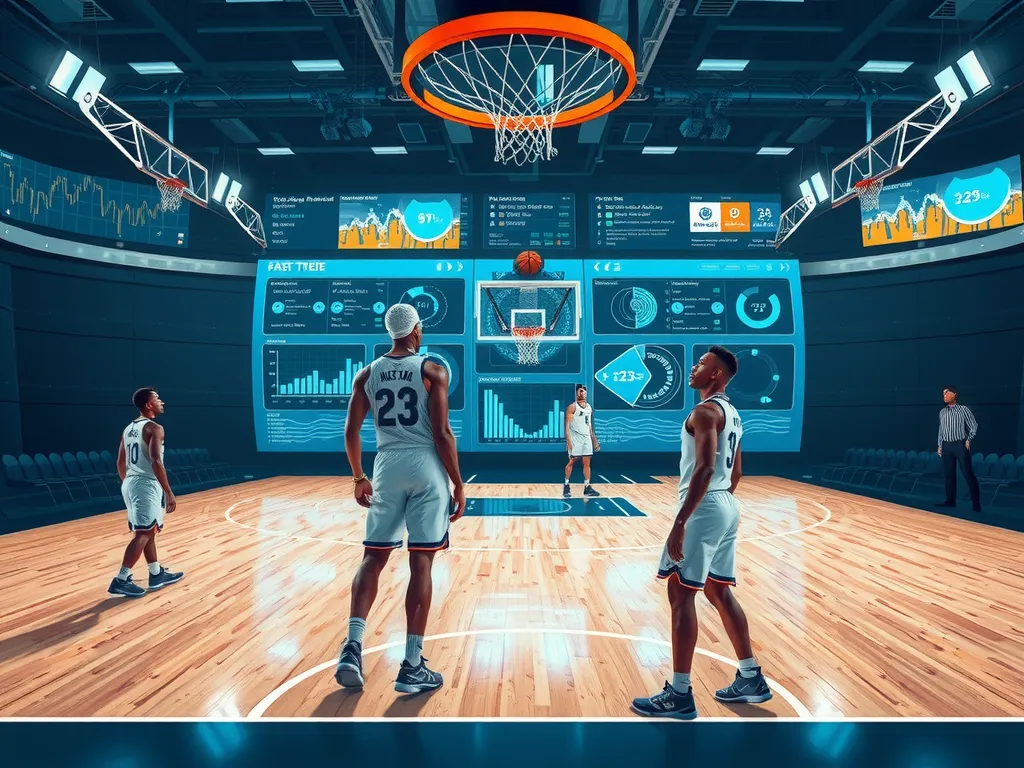 As this narrative continues, the right balance of tradition and innovation will be essential to reach new heights in basketball training and beyond. When technology is transparent, equitable, and coach-led, it becomes a competitive advantage that lifts entire programs—from grassroots to the professional level—without dimming the joy that makes basketball special. That balance is the true destination: smarter preparation, healthier athletes, and a game that keeps evolving while staying unmistakably itself.
Leave a Reply