






AI in Sports Medicine: Revolutionizing Injury Prevention and Recovery

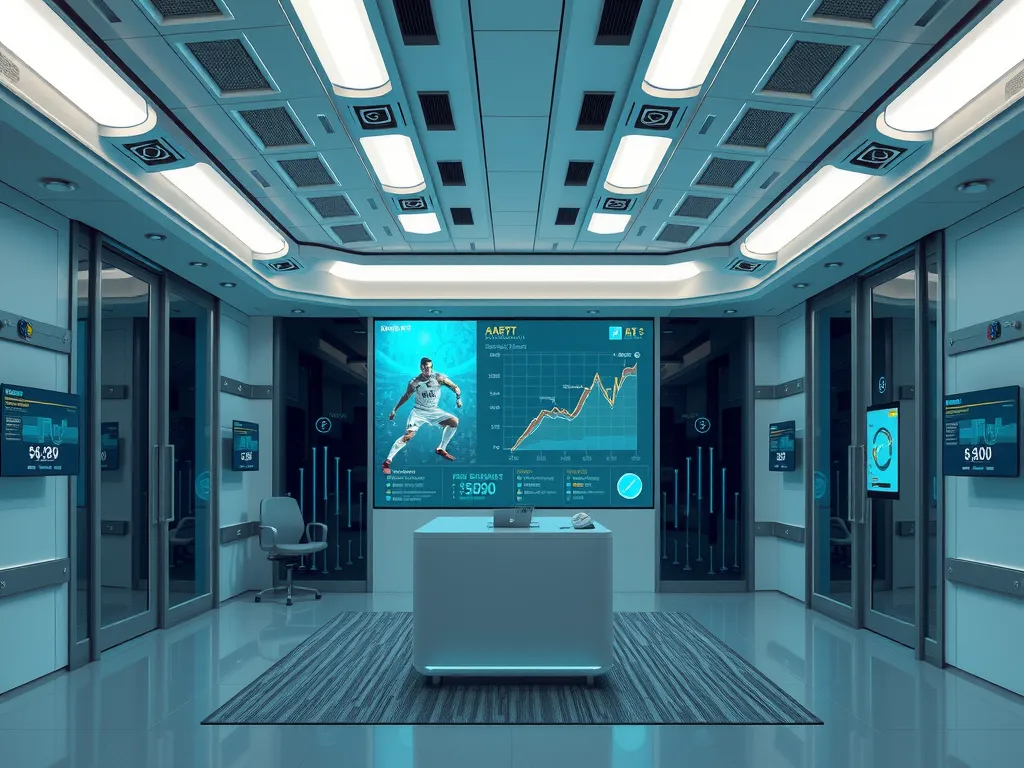
AI in Sports Medicine: Transforming Injury Prevention and Recovery
As technology advances, artificial intelligence (AI) is reshaping athlete care across levels of sport. Beyond boosting performance, AI is altering how injuries are prevented and treated. This article examines AI’s role in prevention, recovery, and the future of athlete health. Once limited to elite programs, these tools now appear in colleges, youth academies, and community clinics. The goal is not to replace clinicians, athletic trainers, or coaches, but to augment their expertise with timely, data-rich insights so they can make confident decisions amid travel, varied surfaces, weather, and the psychological demands of competition.
AI offers medical teams and athletes practical tools and clear insights.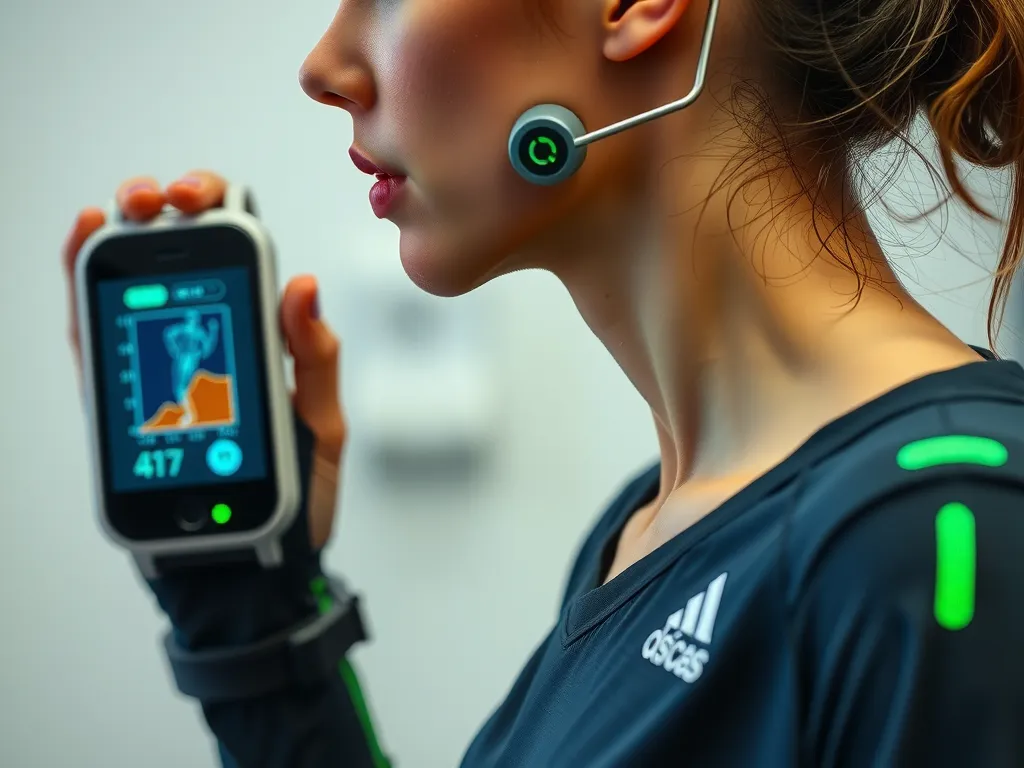 Using advanced algorithms, it supports injury prediction, personalized rehabilitation, and long-term wellness. Systems synthesize wearable data, video and computer-vision assessments, imaging, patient-reported outcomes, and electronic health records into risk indicators and progress dashboards. By spotting patterns humans may miss—subtle stride asymmetries or microfluctuations in heart rate variability—AI enables earlier intervention. When designed well, it also improves communication: athletes receive personalized, plain-language guidance, while clinicians get concise summaries that fit fast-paced workflows.
The Expanding Role of AI in Sports Medicine
AI is increasingly used because it can process large data sets quickly and accurately. By evaluating performance metrics and health records, AI gives clinicians deeper insight into injury risk and recovery. In diagnostics, it can detect early signs of overuse by analyzing movement patterns and biomechanical loads. Computer vision flags atypical landings, excessive frontal plane knee motion, or asymmetrical ground reaction forces—signals that may precede stress reactions, tendinopathies, or ligament strain. Imaging algorithms assist with ultrasound and MRI to identify subtle tissue changes, while pattern-recognition tools compare current status with baselines and population norms to contextualize risk and guide next steps.
AI-enabled tools also power virtual training environments that assess biomechanics to improve technique and reduce risk.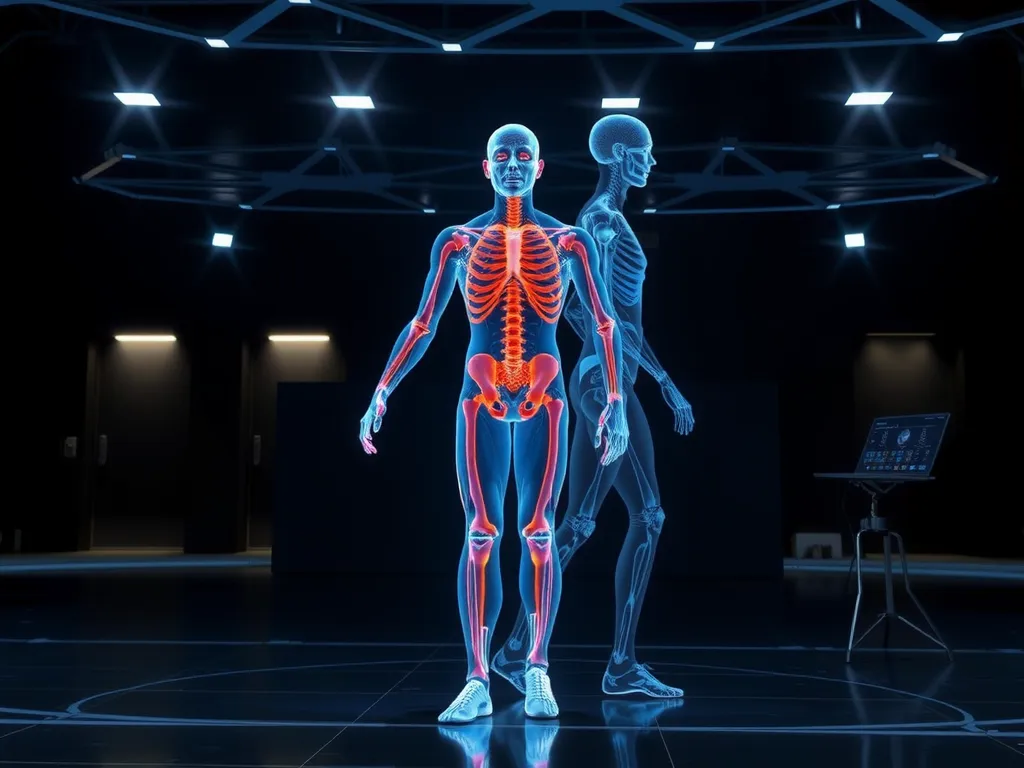 Athletes rehearse movements with augmented feedback, receiving precise cues on joint angles, timing, and force application. “Digital twins” of an athlete’s movement profile simulate changes in training load, footwear, or late-match fatigue. These simulations do not replace practice; they sharpen it by providing targeted, evidence-informed guidance that shortens trial-and-error and limits harmful compensations.
AI in Injury Prevention
Injury prevention is one of AI’s most promising uses. Algorithms assess variables such as physical status, training intensity, and injury history to predict risk. Companies like Sparta Science and Kitman Labs pinpoint athletes at risk based on movement patterns and muscle imbalances captured through wearables and video analysis. Models weigh internal factors (strength deficits, prior injuries, sleep, nutrition, recovery) alongside external ones (competition density, travel, heat, surface hardness). The output is a risk score with the drivers behind it—information that helps tailor strength, mobility, or minutes restrictions before minor issues become time-loss injuries.
AI-driven wearables track real-time biometrics to guide training load and rest, lowering injury rates. GPS and inertial units quantify accelerations, decelerations, and changes of direction; heart rate and variability reflect autonomic stress; sleep metrics and skin temperature signal recovery and illness risk. Combined, these signals flag early fatigue or workload spikes and recommend interventions—lighter sessions, extra recovery, or modified drills. The key is operational discipline: recommendations work when applied consistently, communicated clearly, and revisited as new information arrives, keeping prevention plans responsive rather than rigid.
AI-Driven Recovery and Rehabilitation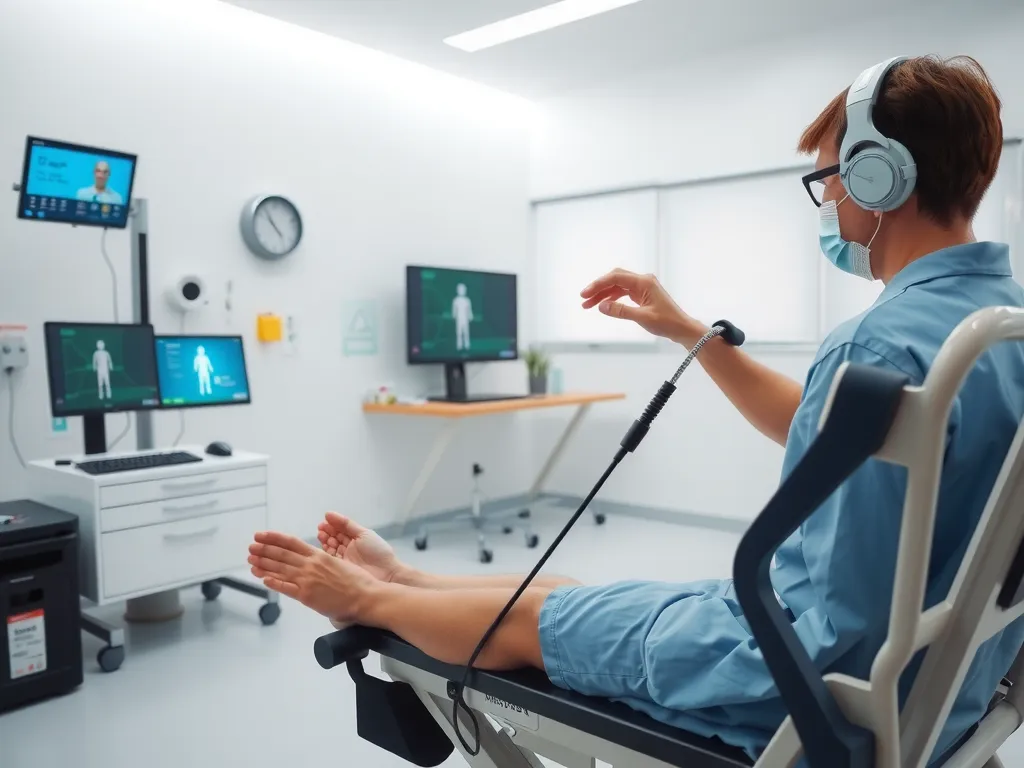
AI personalizes recovery plans by monitoring progress and adjusting exercises in real time. Data from force plates, isokinetic tests, and range-of-motion sensors quantify deficits and asymmetries, enabling progression from activation to plyometrics and sport-specific drills with objective thresholds. If swelling, pain scores, or movement quality worsen, the system suggests temporary regressions to protect healing tissue. Remote monitoring extends care beyond the clinic: athletes receive just-in-time coaching prompts, while clinicians review adherence and performance trends to fine-tune plans between visits.
Apps like Physitrack provide virtual coaching and adaptive exercise routines that evolve with recovery. Computer vision counts repetitions, checks joint alignment, and offers immediate form feedback, improving safety and engagement in home programs. Gamified elements—progress badges, streaks, symptom check-ins—support adherence, a key outcome driver. Educational modules explain why movements matter, reducing fear and building self-efficacy. Over time, platforms correlate adherence and symptom trends with functional test results, giving clinicians a fuller view of recovery and athletes a clearer sense of readiness to advance.
Case Studies and Real-World Applications
Adoption is visible across sports. English Premier League teams partner with AI firms to analyze player loads and foresee injuries. The NBA uses AI to address exhaustion and injury by assessing movement and workload data. In baseball, workload models help pitchers balance velocity gains with elbow and shoulder health; in track and field, micro-monitoring sprint mechanics reduces hamstring issues during high-intensity phases. These efforts translate complex data into simple, actionable choices—altering training density, adjusting substitutions, or targeting prehabilitation—to preserve availability without sacrificing performance.
U.S. college programs use AI platforms to manage student-athletes’ health profiles with individualized oversight. Integrated systems organize screenings, rehab notes, class schedules, and travel plans so staff can anticipate stressors and coordinate proactively. Concussion care benefits from structured symptom tracking and graded return-to-learn and return-to-play pathways. Smaller programs use shared dashboards to maintain continuity as athletes rotate among providers. The result is better alignment across coaching, academic, and medical teams—and a clearer path for athletes to raise concerns early.
Future Directions and Ethical Considerations
As AI advances, expect greater precision in predicting injuries and guiding rehabilitation, alongside important ethical questions about privacy and the role of AI in decisions traditionally made by humans. Multi-modal models blending video, sensor data, imaging, and clinical notes promise richer insights but require rigorous validation to avoid false confidence. Conversational assistants may help summarize encounters, draft notes, and translate guidance into athlete-friendly action steps. Edge computing will keep more processing on devices, while federated learning can improve models across teams without centralizing identifiable data. Even with these innovations, human-in-the-loop oversight remains essential to interpret context and honor athlete preferences.
Strong data governance and ethical standards are critical. Programs should implement clear consent processes, transparent data retention policies, and robust de-identification. Independent validation, bias and fairness reviews, and post-deployment monitoring mitigate model drift and unintended discrimination. Cybersecurity safeguards, audit trails for clinical decisions, and escalation pathways when AI recommendations conflict with clinical judgment preserve trust. Interoperability also matters: open data standards and well-documented APIs reduce vendor lock-in, support second opinions, and simplify integration with existing medical records and performance systems.
Conclusion
AI is making injury prevention and recovery smarter, more precise, and more individualized. As adoption grows, the partnership between AI and sports medicine will shape the future of athlete care and performance. For front-line clinicians and coaches, a practical path is to start with priority problems—soft-tissue strains, reinjury risk, adherence—then select tools that directly address them. With staff training and clear athlete communication, AI becomes a catalyst for safer workloads, more efficient rehabilitation, and better long-term availability.
At this crossroads of technology and health, the outlook is promising. The most successful programs will pilot on a small scale, measure outcomes stakeholders value, and iterate. Implemented with humility, transparency, and respect for athlete autonomy, AI elevates—rather than replaces—the human relationships at the heart of sport. That blend of scientific rigor and person-centered care will carry sports medicine into its next era, where preparation is smarter, recovery is faster, and careers are longer and healthier.