






AI-Powered Sports Analytics: Revolutionizing Non-Major Sports


AI-Powered Sports Analytics: Transforming Lesser-Known Sports
Sports evolve quickly, and artificial intelligence (AI) is a true game-changer. Beyond football and basketball, sports such as cricket, rowing, and handball are embracing AI to gain an edge and elevate performance.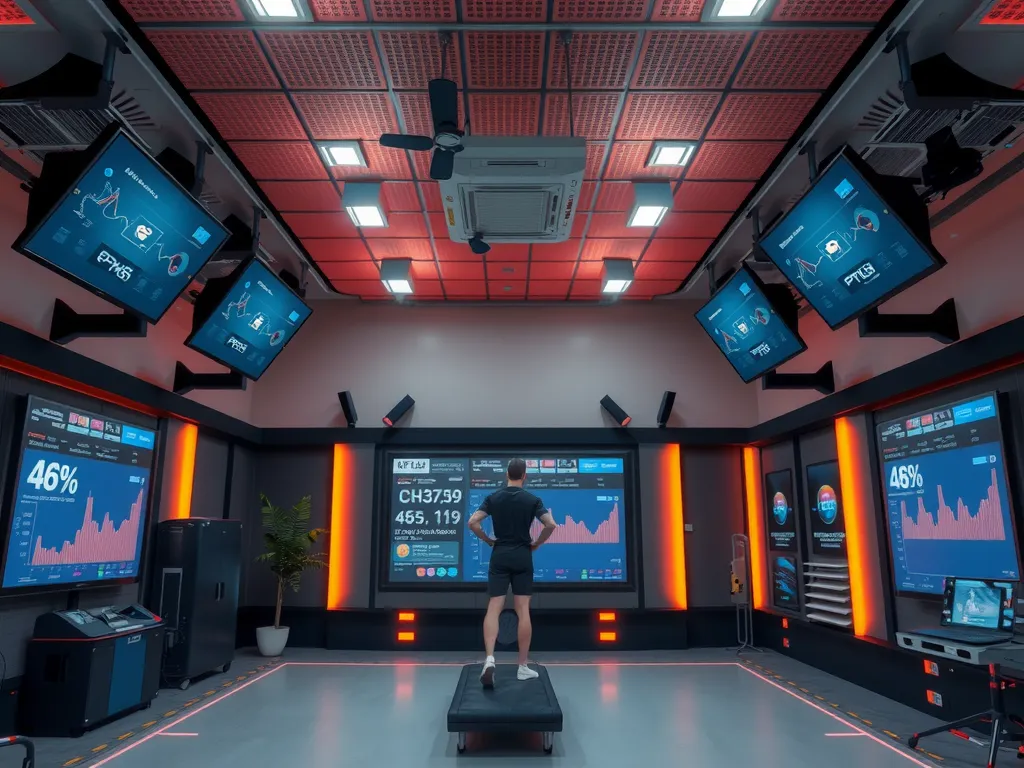 This article explores how AI is reshaping these sports, from training and tactics to fan experiences. What once required specialist teams and costly hardware can now be done with off‑the‑shelf cameras, cloud tools, and models that run on a laptop or phone. As a result, sports that historically lacked resources are discovering that data-informed decisions are not a luxury for big leagues but a practical route to smarter preparation, sharper strategy, and more engaging coverage.
The Emergence of AI in Lesser-Known Sports
AI’s impact on lesser-known sports is accelerating.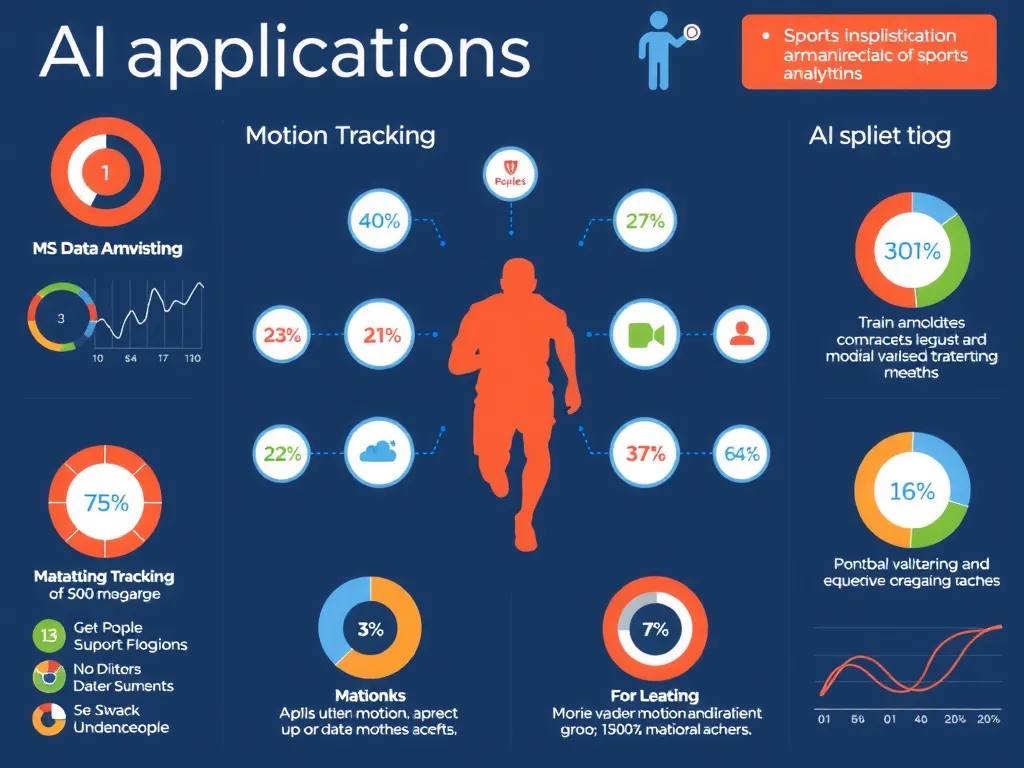 Operating with tighter budgets and smaller fan bases, these sports are using AI to stretch resources and create strategic advantages—from refining player performance to unlocking new fan interactions. Two trends drive adoption: falling costs for sensors and vision systems, and accessible analytics platforms that reduce the need for in‑house data science. National federations, university labs, and startups now package techniques such as pose estimation, event detection, and predictive modeling into coach-friendly tools, turning training logs and video into insights that fit existing routines.
Advantages of AI for Lesser-Known Sports
AI delivers clear tactical and performance benefits.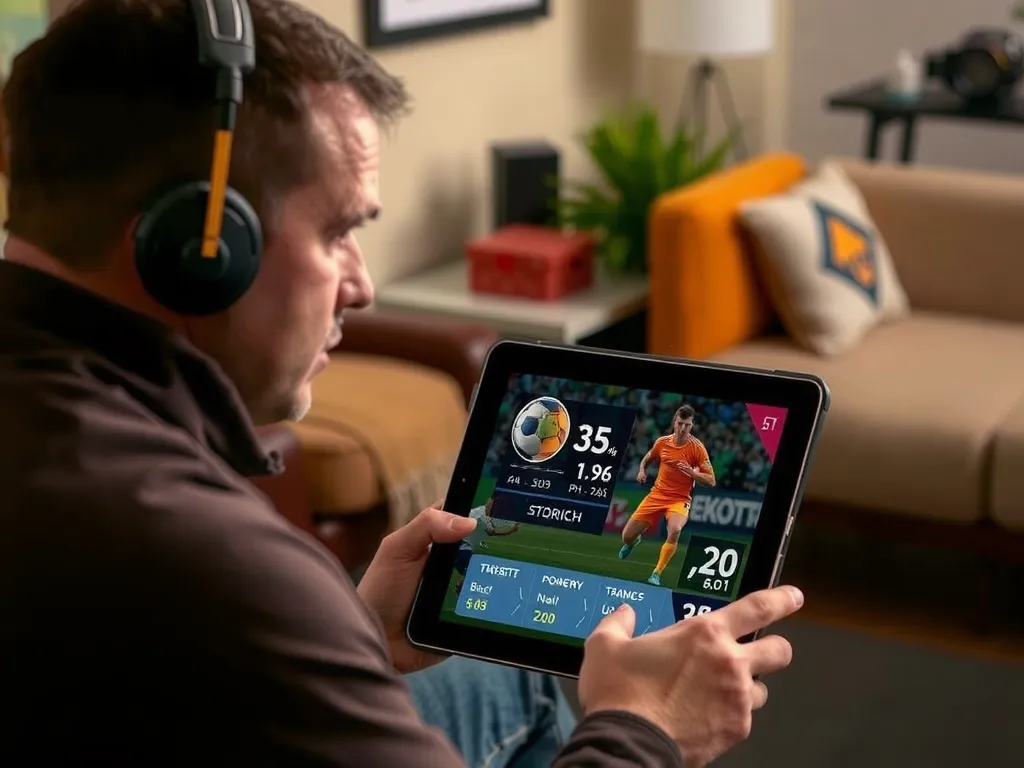 Algorithms process game footage to produce rich metrics, giving small teams insights once reserved for top franchises. Computer vision can auto-tag key events—shots, turnovers, set pieces—cutting review time from hours to minutes. Clustering reveals play styles that aren’t obvious live, and simulation tools test “what‑if” scenarios before big matches. Even simple outputs—heat maps, pass networks, tempo trends—highlight underused spaces and momentum shifts, guiding drills that target true weaknesses instead of generic skill work.
AI also aids injury prevention. Predictive models flag risk so coaches can adjust training and workloads. Wearables and phone‑based motion analysis track technique and volume to catch early signs of overuse—lower‑back strain in rowers, hamstring issues for fast bowlers, or ACL risk in handball. By fusing sleep, wellness surveys, heart‑rate variability, and travel data, readiness models offer a fuller picture. The goal is to complement, not replace, medical judgment—surfacing patterns early so staff can intervene with rest, modified drills, or technique tweaks before small problems become season‑ending setbacks.
Case Studies: AI in Practice
Cricket
Cricket teams increasingly use AI to navigate the sport’s strategic complexity.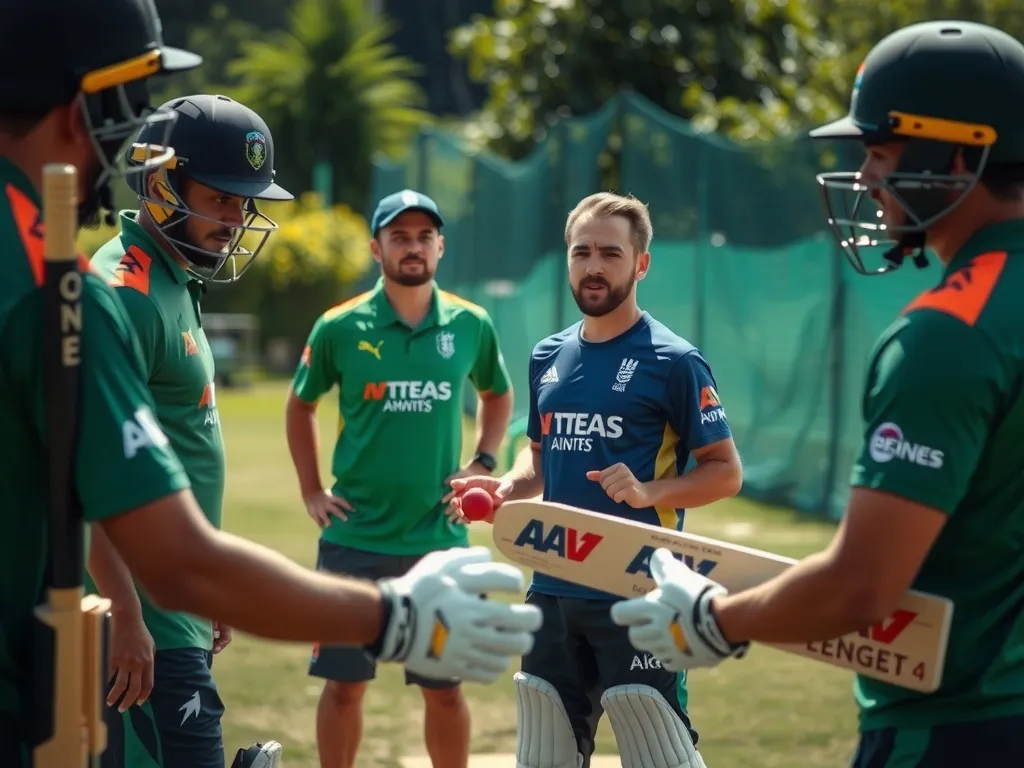 Decision-support systems optimize selection and match plans, while ball‑tracking and video analytics quantify swing, seam position, and release angles to tailor bowling training. Batting models estimate expected runs by shot type and field setting, guiding choices on when to rotate strike or pursue boundaries. In limited‑overs formats, algorithms suggest bowling changes based on context and matchups; in longer formats, they help balance pressure and patience across sessions. For emerging nations, these tools turn modest datasets—club games, regional tournaments, net sessions—into scouting reports that previously required large staffs and travel.
Rowing
In rowing, AI evaluates stroke economy and conditions.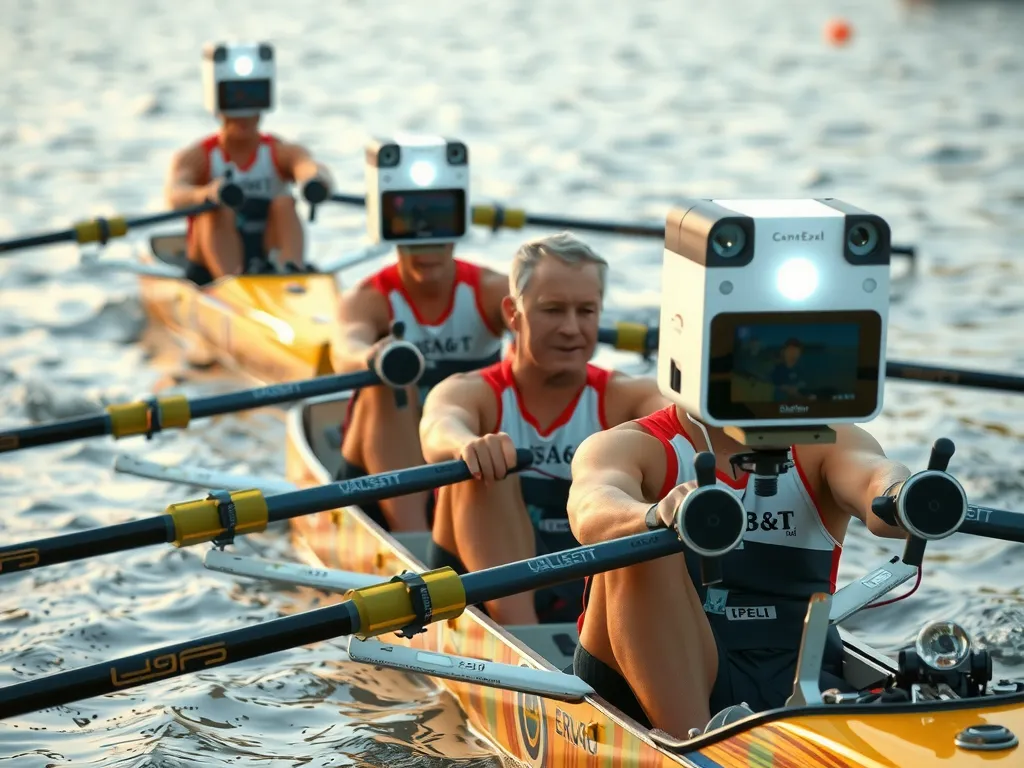 In‑boat systems combine accelerometers, GPS, and oarlock force sensors to analyze drive and recovery phases, catch timing, and crew synchronicity. Models separate athlete power from wind and current, enabling fair comparisons across sessions. Coaches receive real‑time prompts on stroke rate or coxswain cues, while post‑row dashboards show seat‑to‑seat variance to fine‑tune lineups. Over training cycles, predictive tools balance high‑intensity pieces with recovery rows so athletes peak at championship regattas rather than fatiguing early.
Handball
Handball teams apply AI to decode play patterns and opponent tendencies.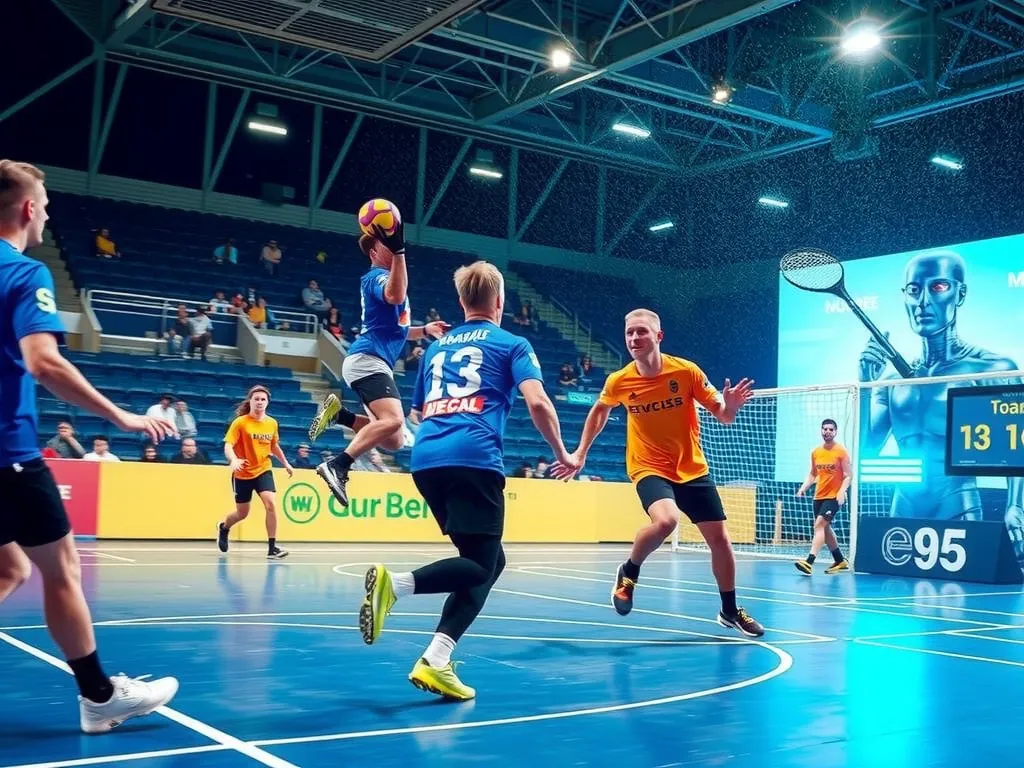 Computer vision tracks players and the ball to map how often teams create space on the nine‑meter line or push quick transitions after saves. Shot‑quality models estimate expected goals by location, angle, and pressure, informing set plays that free preferred shooters or isolate mismatches. On defense, analytics compare 6–0 versus 5–1 formations against specific threats and assess goalkeeper positioning against various release points. For clubs with small scouting staffs, these tools compress weeks of film study into concise, actionable reports.
AI-Driven Fan Engagement
AI is transforming fan experiences as much as on‑field play. Predictive analytics and interactive platforms personalize viewing, while automated highlight systems detect pivotal moments—photo finishes in rowing, cricket powerplays, handball fast breaks—and stitch them into shareable clips. Natural‑language summaries and multilingual captions broaden reach without large media teams. On streams, adaptive overlays present live win probabilities, shot charts, or stroke metrics, letting viewers choose a casual feed or a “coach’s mode” that mirrors professional analysis.
For teams, these tools expand audiences and deepen loyalty—crucial when competing with major leagues. Targeted recommendations surface local fixtures, junior tournaments, and clinics that match a fan’s interests, converting passive viewers into attendees and volunteers. Sponsors gain clearer attribution—linking content to ticket sales or merchandise—making partnerships more sustainable. Smaller clubs can test dynamic pricing, membership bundles, and micro‑donations, guided by demand forecasts that reveal the best channels for outreach. Over time, feedback loops help organizations tell richer stories and grow niche communities into vibrant ecosystems.
The Future of AI in Lesser-Known Sports
The trajectory is promising.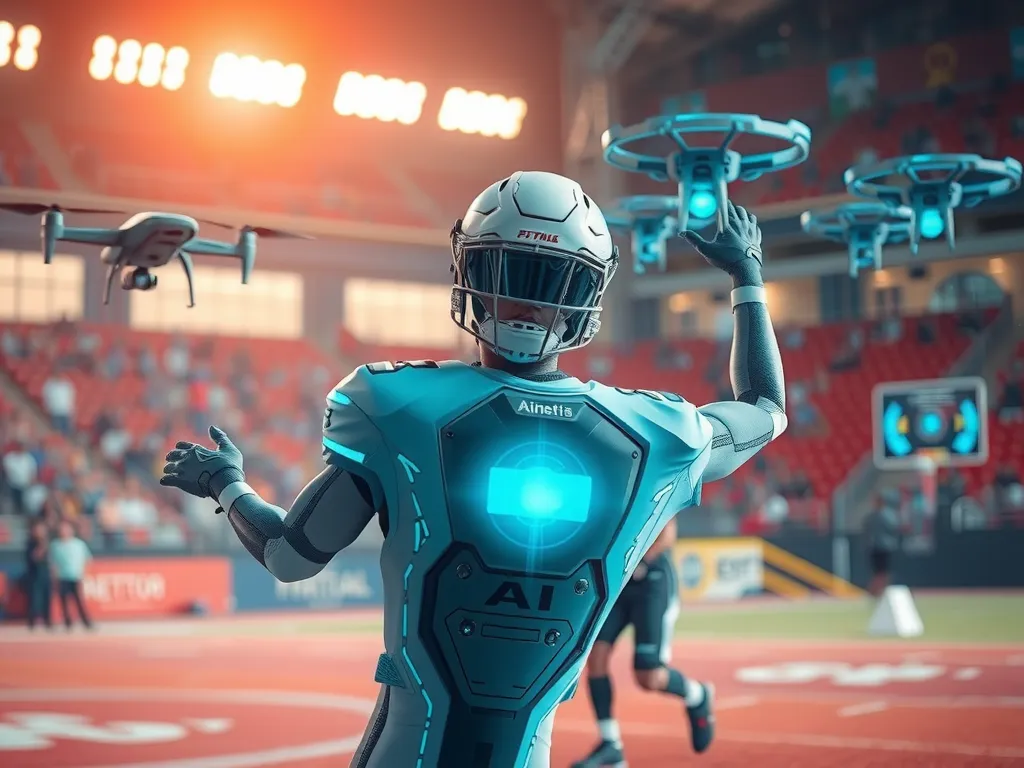 As AI advances, applications in lesser-known sports will multiply across performance, fan engagement, and strategy. Edge AI will deliver real‑time analysis from low‑cost cameras at community venues, while federated learning can let clubs share model improvements without exposing sensitive athlete data. Cross‑sport transfer learning—adapting soccer or basketball tracking to handball, or cycling telemetry to rowing—will speed progress where datasets are small. Officiating aids, from goal‑line decisions to foul detection, can improve fairness when implemented with transparency and appropriate human oversight.
Continued collaboration between technologists and sports strategists should yield more customizable, cost‑effective solutions, narrowing the gap with major leagues and reshaping competitive dynamics. Open data standards and shared video repositories would let clubs benchmark performance and contribute to community‑built models. Education matters as much as software: coaches trained in data literacy ask better questions and avoid pitfalls like overfitting or confusing correlation with causation. Governance frameworks must protect athlete privacy, address bias, and preserve competitive integrity so AI augments rather than distorts the spirit of sport. With thoughtful adoption, even small programs can build resilient pipelines from youth to elite levels.
Conclusion
AI is set to transform lesser-known sports by strengthening performance and deepening fan engagement. For teams operating under constraints, it offers a practical way to compete at a higher level and to connect more meaningfully with audiences. The aim is not to replace the intuition of coaches or the creativity of athletes, but to inform them—surfacing tendencies that matter and freeing staff from tedious manual analysis so they can focus on teaching, motivation, and culture. When insights are shared clearly and ethically, they create a common language across players, medical teams, and management, aligning everyone on the same objectives.
By embracing AI, these sports are not merely keeping pace with technology; they are defining how it should be used. As specialized disciplines evolve, the potential for AI to reshape the sporting landscape remains vast. From boathouses and community gyms to regional arenas and national centers, data‑informed practice is becoming a daily habit rather than an occasional experiment. Teams that pair curiosity with discipline—testing ideas, measuring outcomes, and adapting quickly—will turn small advantages into enduring strengths. That is the promise of AI in sport: accessible tools that elevate human performance and bring more people, in more places, into the joy of competition.