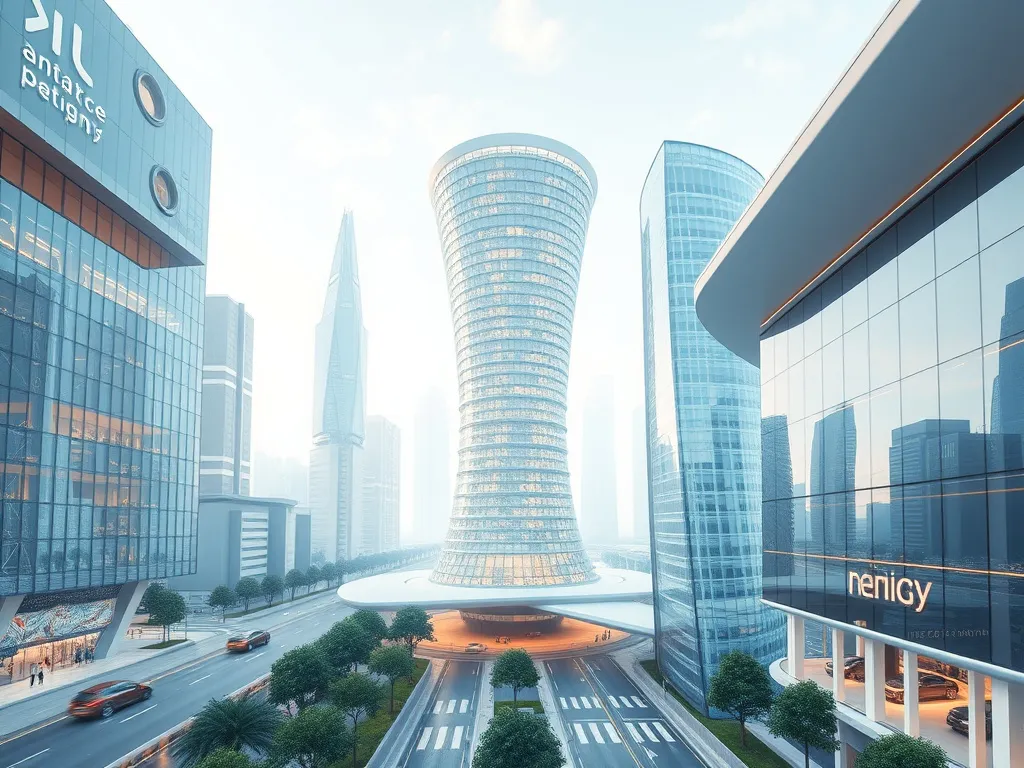





AI & Mass Timber: Dual Innovations in Architecture

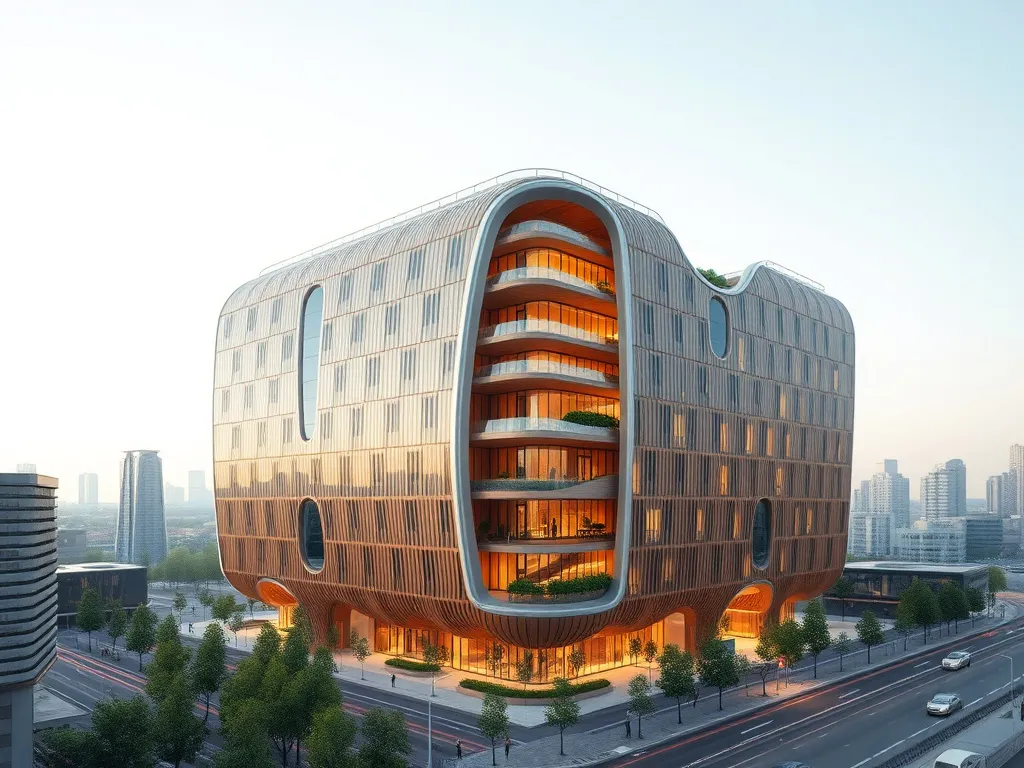
Architecture is advancing notably in sustainability and efficiency by merging two key technologies: AI and mass timber. As the need for eco-friendly buildings increases, blending artificial intelligence with mass timber construction offers a straightforward route to sustainable architectural solutions. This article looks at how AI influences mass timber construction optimization, explores benefits for eco-friendly design, and discusses the challenges of integrating these technologies into modern architecture.
The Role of AI in Enhancing Mass Timber Construction
AI is transforming architectural practice by boosting accuracy and speeding up project schedules. With tools like generative design and machine learning, architects can swiftly assess suitable designs by conducting simulations that consider multiple factors simultaneously. In mass timber, AI aids in optimal structural layouts that minimize waste and boost material efficiency—ultimately enhancing the cost-and-carbon appeal of mass timber projects thinkwood.com .
Advantages of AI Integration for Sustainability and Design Efficiency
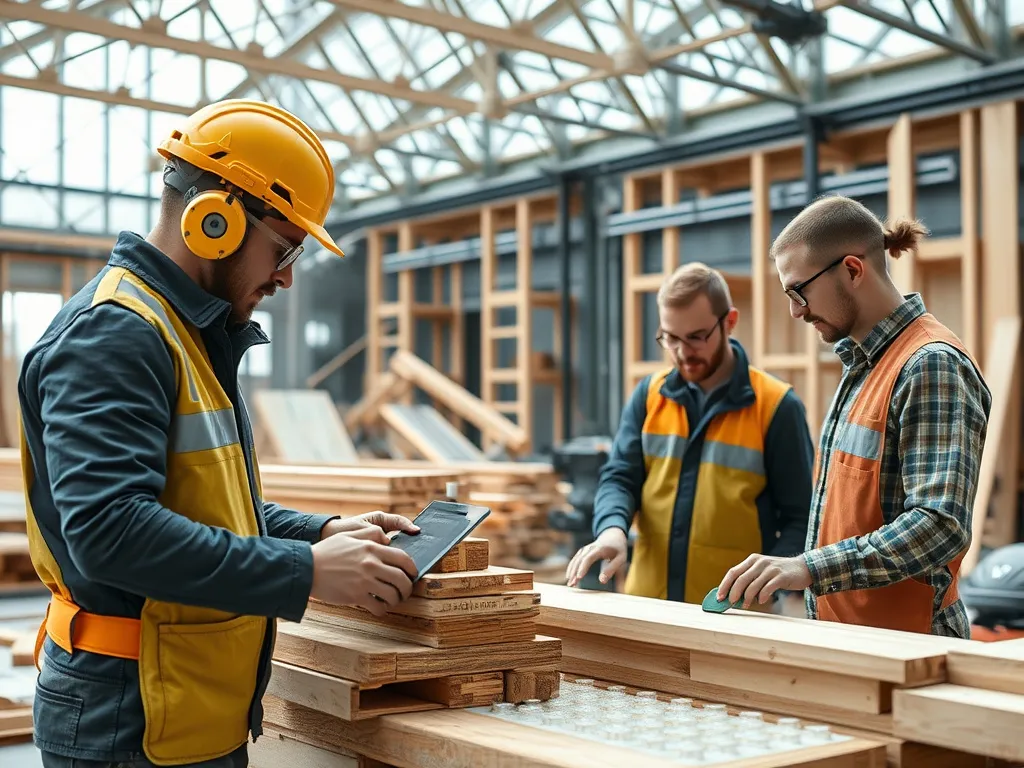
Incorporating AI into mass timber construction brings significant sustainability benefits. A key advantage is notable waste reduction through accurate material use, aligning with circular economy objectives mdpi.com . AI-driven design processes streamline construction workflows, accelerating delivery by cutting down on time-consuming elements such as repetitive tasks and project management overhead masstimberconference.com . Utilizing AI for mass timber fabrication not only supports sustainability goals but also helps projects meet strict design requirements efficiently.
Challenges and Considerations
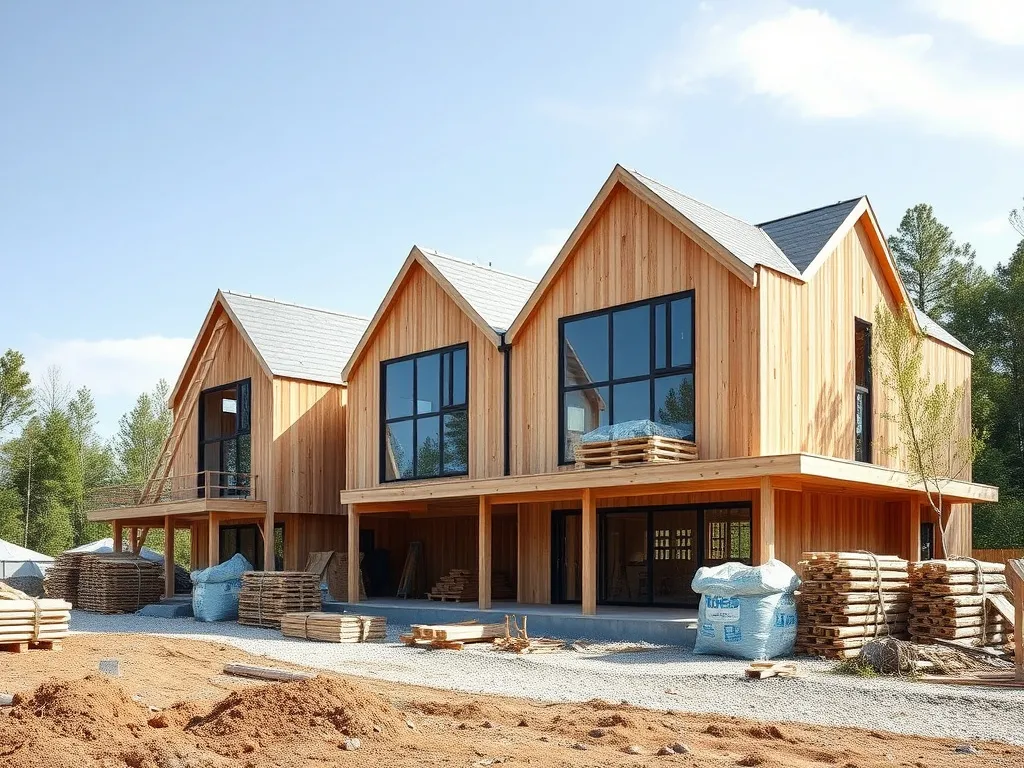
While the junction of AI and mass timber points to a promising future for sustainable architecture, several challenges remain. Implementing AI in timber construction is restricted by the lack of structured datasets and the need for industry-wide standardization mdpi.com . There is also a learning curve as architects and construction professionals adjust to new software and methods.

Insurance coverage remains a major hurdle, with few policies readily available for mass timber projects masstimberconference.com . These challenges must be overcome to fully realize the potential of AI-enhanced mass timber construction.
Future Trends and Possible Challenges
Looking forward, AI technology will keep evolving, enabling more powerful and innovative uses in architecture. The focus is shifting toward integrating AI-powered analytics and digital twins to improve decision-making in retrofit projects, potentially cutting down the need for extensive physical changes lxdesignstudio.co . This progress in AI application will play a crucial role in promoting mass timber adoption as architectural solutions increasingly prioritize sustainability, cost-effectiveness, and innovation.
Overall, the synergy between AI and mass timber innovations marks a significant shift in architecture, pointing to a future where buildings are both environmentally friendly and digitally fine-tuned for performance and design.