






Ultimate Bali Travel Guide 2026: Everything You Need to Know


Welcome to Bali, where peaceful beaches meet living tradition. This 2026 guide distills must-sees—wellness, food, transport, and practicalities—so you can build a balanced itinerary. Bali rewards slow travel: linger in one neighborhood, learn a few phrases, revisit a favorite warung. Logistics are simple when preplanned: most visitors get a 30-day visa on arrival (extendable once), cheap local SIMs, and plentiful ATMs. Sort these before you fly and start savoring the island from day one.
Introduction to Bali’s Captivating Attractions
Bali blends dramatic scenery with deep tradition. From Ubud’s terraces to Kuta’s surf, don’t miss Uluwatu’s cliffs, a Mount Batur sunrise, and waterfalls like Sekumpul or Tibumana. Day trips to Nusa Penida or Nusa Lembongan reveal towering coastlines, manta-ray sites, and quiet coves. For temples, visit Besakih, the Mother Temple, and bathe at Tirta Empul’s cleansing pools. For marine life, snorkel Amed or Menjangan’s clear, coral-rich reefs.

Balance energy and calm: base in Seminyak, Canggu, or Sanur, then unwind in Sidemen or Munduk. Respect daily offerings (canang sari) and temple etiquette. If your trip overlaps with Nyepi, the Day of Silence, the island closes for 24 hours—book lodging and supplies. Bring a refillable bottle and support community-run tours.
Bali Dining Options: A Culinary Adventure
From street stalls to tasting menus, Bali is a feast. Try Babi Guling, Nasi Goreng, Bebek Betutu, Lawar, and Sate Lilit. Jimbaran Bay shines for sunset seafood; Canggu and Berawa are hubs for plant-forward cafes. Coffee fans can sample Kintamani single-origins; for dessert, find Dadar Gulung. Mix budget warungs with destination restaurants. Halal, vegetarian, and gluten-free needs are widely accommodated—just ask.

Tasting Tips: Ubud Food Festival in March spotlights island flavors—book early. Reserve popular tables (Locavore, Petitenget). Tipping isn’t required, but 5–10% is appreciated if no service fee appears. Drink filtered or bottled water; reputable ice is safe. Join a market tour and cooking class to learn bumbu spice pastes. Imported alcohol is pricey; if trying local arak, choose trusted venues. Shop fruit at dawn for peak freshness.
Discovering Bali’s Transportation: Travel Made Easy
Choose your mode: scooter rental, car with driver, or ride-share apps like Gojek or Grab; public buses are cheap but infrequent. Expect traffic between the south and Ubud—add buffer time. If riding, carry an International Driving Permit and insurance; police may check. Fuel is inexpensive and easy to find, and most sights have parking. For island hops, book reputable speedboats—Sanur to Nusa Penida, Padangbai to the Gilis and Lombok. In Denpasar, metered Bluebird taxis are reliable; many hotels run shuttles.
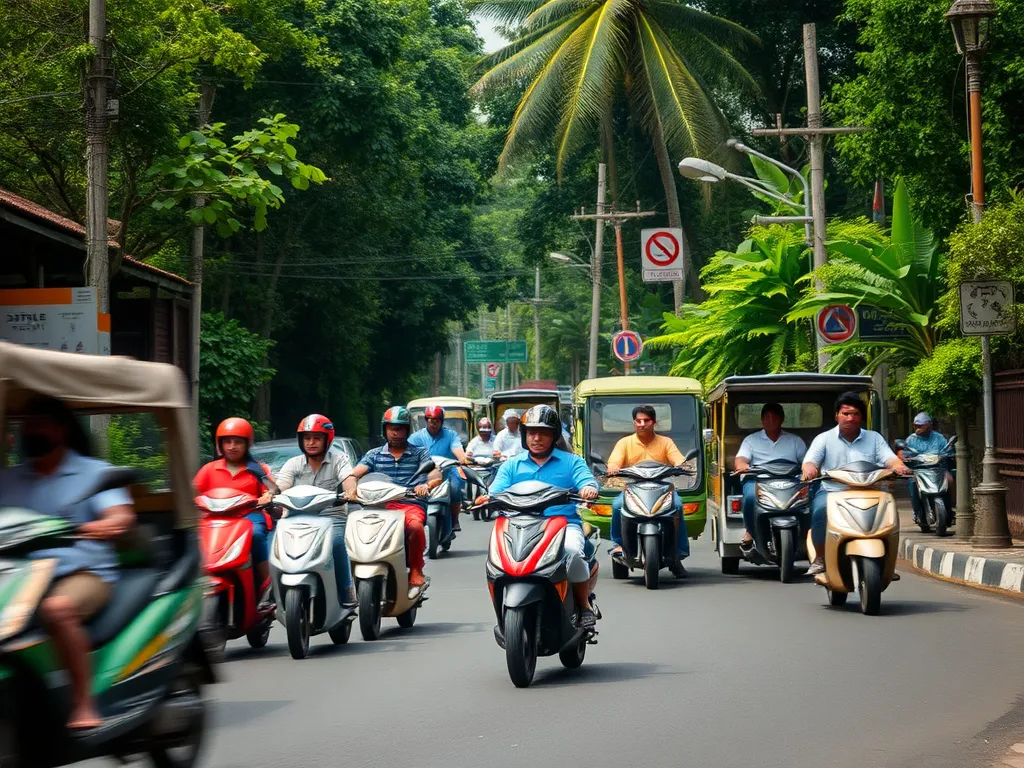
A scooter is economical for backroads; a driver adds comfort and local insight. Full-day hires typically cover 8–10 hours with flexible stops. Ride-hailing pick-ups may be limited near beaches and malls—follow app guidance. Download offline maps for patchy signal in hills. In heavy rain, depart early and avoid flooded crossings. To cut emissions, try Ubud e-bikes or small-group tours.
Transportation Tips
- Always wear a helmet when riding a scooter. Ensure a snug fit and working strap; avoid unfamiliar, unlit roads at night.
- Agree on the fare before a long taxi ride. Request the meter when available, and clarify tolls or parking to prevent surprises.
- Use official websites or apps for booking transport. Save driver contact details and verify boat operators’ life jackets.
Immerse in Bali’s Wellness Services
Bali is a wellness haven. Ubud anchors the scene with The Yoga Barn and Fivelements offering yoga, sound baths, and holistic therapies. Across the island, enjoy Balinese massages with coconut or frangipani oils, cacao ceremonies, meditation spaces, and herbal jamu tonics. Canggu and Uluwatu pair surf with ice baths and breathwork; Sidemen and Munduk offer tranquil forest-view spas. If seeking a healer, ask your hotel for vetted referrals and prioritize comfort and consent.

Wellness Insights: Book sunrise sessions for a grounded start and watch for monthly festivals. Popular classes sell out—reserve and arrive early. Pair movement with nature, hydrate well, request unscented oils if needed, and leave time to rest. Restorative days can be as transformative as intense ones.
Experience Bali’s Lively Beach Clubs
Beach clubs like Potato Head in Seminyak and Finns in Canggu offer oceanfront pools, music, and sunsets. Many daybeds carry a minimum spend; mornings suit families before the tempo rises. For a gentler scene, try Sanur or Bingin with calm waters and cliff views. Arrive about an hour before sunset to secure a spot. Dress code: casual chic.
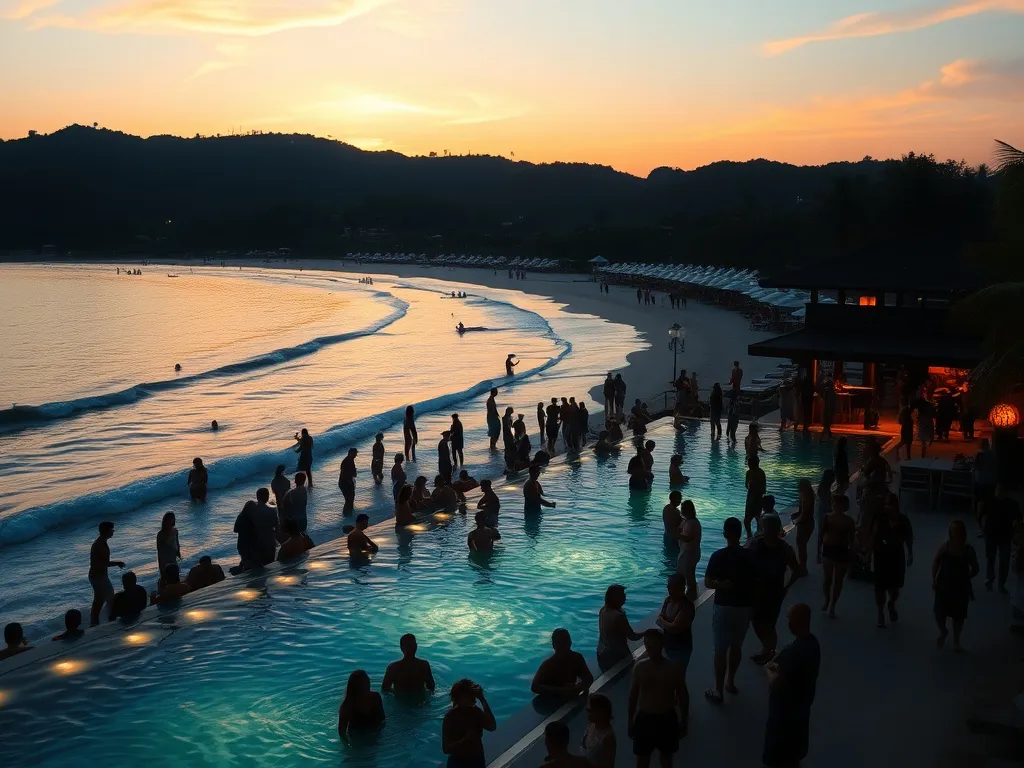
Beach Club Etiquette: Reserve in peak season and check event calendars. Use reef-safe sunscreen; some pools require proper swimwear. Ask staff before flying drones. Many venues are cashless or contactless—carry some rupiah for taxis and tips. For quieter moments, choose weekday afternoons or sunrise walks, then return for sunset.
Exploring the Rich Culture of Bali through Local Experiences
Engage with Balinese heritage through batik or dance classes, cooking workshops, and visits to the Bali Museum or Ubud Palace. Evening Kecak and Legong performances animate temple courtyards—arrive early for good seats and respectful photos. Walk the UNESCO-listed Jatiluwih terraces to learn the Subak irrigation system linking water, farming, and faith. Bargain politely at markets. In temples, wear a sarong and sash, cover shoulders, and note some inner areas are for worshippers. Step around daily offerings and never touch people’s heads.

Local Tips: Join a Melukat purification with a guide for context on attire, donations, and symbolism; respectful visitors are welcome. Learn a few phrases—terima kasih (thank you), permisi (excuse me). Consider family-run homestays for home cooking and insight into daily life. Choose responsible, long-term volunteering programs. Festival dates follow the Balinese calendar—confirm locally a week or two in advance.
Planning Your 2026 Bali Adventure
Timing matters. The Bali Arts Festival in June showcases dance and crafts; June–August is peak season, so book early. Shoulder months (April–May, September–October) bring good weather and fewer crowds; November–March is wetter but lush. Most travelers can get a 30-day visa on arrival and extend once to 60—verify current rules. Budget for temple and waterfall entrance fees and carry small bills for parking. Power outlets are Type C/F, 230V—bring an adapter. Consider a local SIM or eSIM for reliable navigation. Comprehensive travel insurance is strongly recommended, especially for motorbikes and medical care.
Travel Planning Checklist
- Book accommodation early and choose central bases: Seminyak–Canggu for beach access; Ubud for culture and nature. Check cancellation terms.
- Track festival and temple anniversary (odalan) dates. Nyepi halts the island for 24 hours—plan buffer days.
- Pack light layers, sun protection, quick-dry gear, sturdy sandals for wet steps, and a scarf for temples and shade.
Conclusion: Embarking on Your Bali Journey
With its blend of relaxation, adventure, and ritual, Bali captivates. Use this guide to explore 2026 with ease—feast at warungs, seek spiritual quiet, and savor slow moments. Catch sunrise on Mount Batur, snorkel Amed’s coral gardens, or linger over lunch facing green paddies as gamelan shimmers. Balance icons like Tanah Lot with neighborhood walks and market chats—everyday kindness often becomes the standout souvenir.
For an even more personalized trip, utilize AI-powered recommendations available on iaminbali.com to shape your route. Plan well but leave room for serendipity—a hidden cove, an unexpected ceremony, a café you can’t stop revisiting—and you’ll leave with a deeper connection to the Island of the Gods. Selamat jalan, and see you at sunset.
Frequently Asked Questions
What are the must-see attractions in Bali?
Bali offers stunning attractions like Ubud’s rice terraces, Kuta’s surf, Uluwatu’s cliffs, and Mount Batur for sunrise views. Don’t miss waterfalls like Sekumpul and Tibumana, as well as temples such as Besakih and Tirta Empul.
How can I travel around Bali?
Travel options in Bali include renting a scooter, hiring a car with a driver, or using ride-share apps like Gojek or Grab. Public buses are available but infrequent, and metered Bluebird taxis are reliable in Denpasar.
What dining options are available in Bali?
Bali’s dining scene ranges from street stalls to upscale restaurants. Popular dishes include Babi Guling, Nasi Goreng, and Bebek Betutu, with options for halal, vegetarian, and gluten-free diets widely available.
What wellness services can I find in Bali?
Bali is known for its wellness offerings, including yoga, massages, and holistic therapies. Ubud is a wellness hub with venues like The Yoga Barn, while other areas provide tranquil spa experiences amidst nature.
What should I know about beach clubs in Bali?
Beach clubs like Potato Head and Finns in Seminyak and Canggu offer pools and sunset views, often requiring a minimum spend. Arrive early for good spots, especially before sunset, and check for dress codes and event schedules.
How can I engage with Balinese culture during my visit?
Engage with Balinese culture by taking part in batik or dance classes, attending cooking workshops, and visiting local museums. Evening performances like Kecak and Legong at temples provide rich cultural experiences.