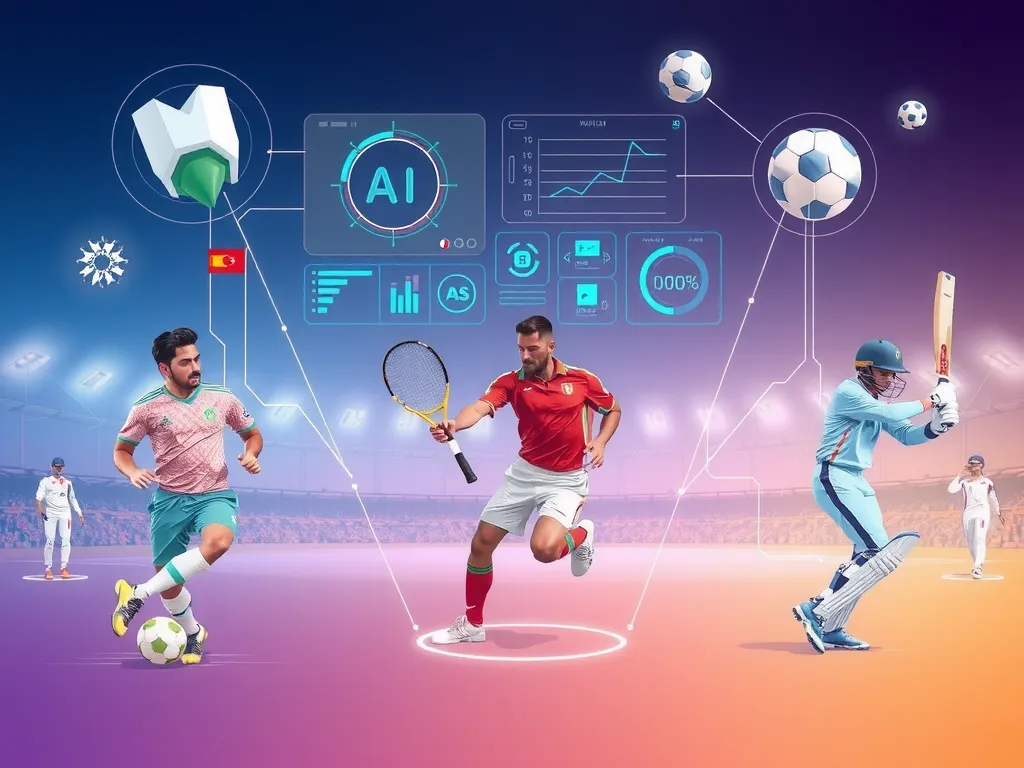
AI in Various Sports: Enhancing the Competitive Edge Beyond Football and Basketball
Artificial intelligence is reshaping sports far beyond football and basketball. Across youth academies and elite competitions, algorithms now support coaches, athletes, and analysts in making quicker, more informed calls. Video and sensor streams that once went unused are turned into practical insight, guiding training loads, injury prevention, officiating assistance, and media workflows. What used to take hours of manual review can be surfaced in minutes, making preparation and feedback loops faster and more consistent.
These examples spotlight inventive uses of AI across less discussed sports and, more importantly, how teams integrate data into daily routines through computer vision, predictive modeling, and simulation. As models improve, organizations run what‑if scenarios, quantify risk, and personalize experiences for athletes and fans. The shift is cultural as much as technical: strategy sessions, health protocols, and engagement plans are increasingly informed by data that is easier to interpret, communicate, and act upon across an entire club.
AI in Soccer
Soccer, or football to most of the world, is in a data‑driven transformation. AI analyzes performances, predicts movement chains, and helps craft game plans. Teams examine pressing intensity, passing networks, and expected‑goals models to learn where chances originate and how to disrupt build‑ups. Computer vision tracks off‑ball runs and defensive compactness, revealing positional shifts that accumulate over ninety minutes.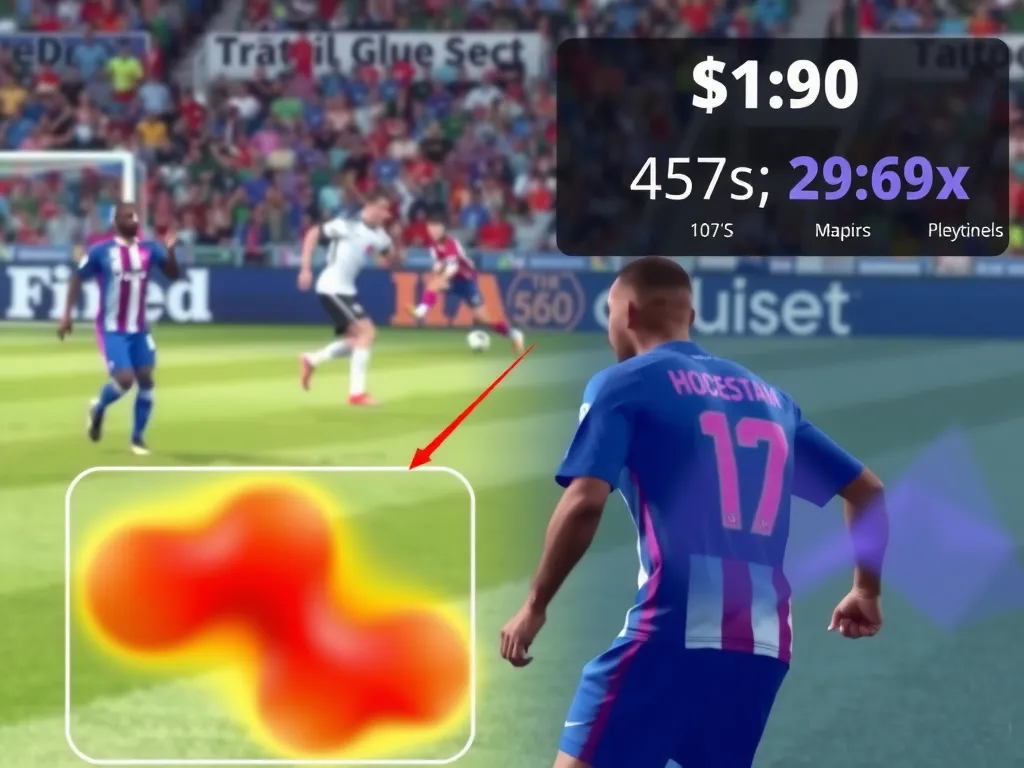
The same tools now power scouting and training. Managers refine lineups before kickoff and make real‑time adjustments from live match data. Substitution timing, set‑piece routines, and formation changes are tuned to opponent tendencies extracted from years of footage. Wearables feed workload and sprint metrics so tactics align with player readiness, reducing soft‑tissue injuries. Post‑match recovery is guided by models that balance stress, travel, and sleep.
Practical Examples
Clubs such as Manchester City and FC Barcelona use AI on the pitch and in boardroom discussions. Systems evaluate player contribution beyond headline stats, informing transfers and global scouting while saving money. Youth academies benefit too, with platforms flagging prospects whose movement signatures and decision profiles resemble established professionals. During the season, personalized video playlists and automated opponent briefings help players prepare efficiently, ensuring film study translates into specific, repeatable actions on match day.
AI in Tennis
Tennis is applying AI to technique and tactics. Analysis tools break down a player’s form and offer data‑backed suggestions for improvement, while real‑time analytics help adjust strategy mid‑match. Shot‑prediction maps reveal an opponent’s preferred patterns at critical points, guiding serve placement or return positioning. Over time, these systems expose how fatigue, surface type, or weather affect shot selection, turning intangible tendencies into concrete coaching cues that can be reinforced on court.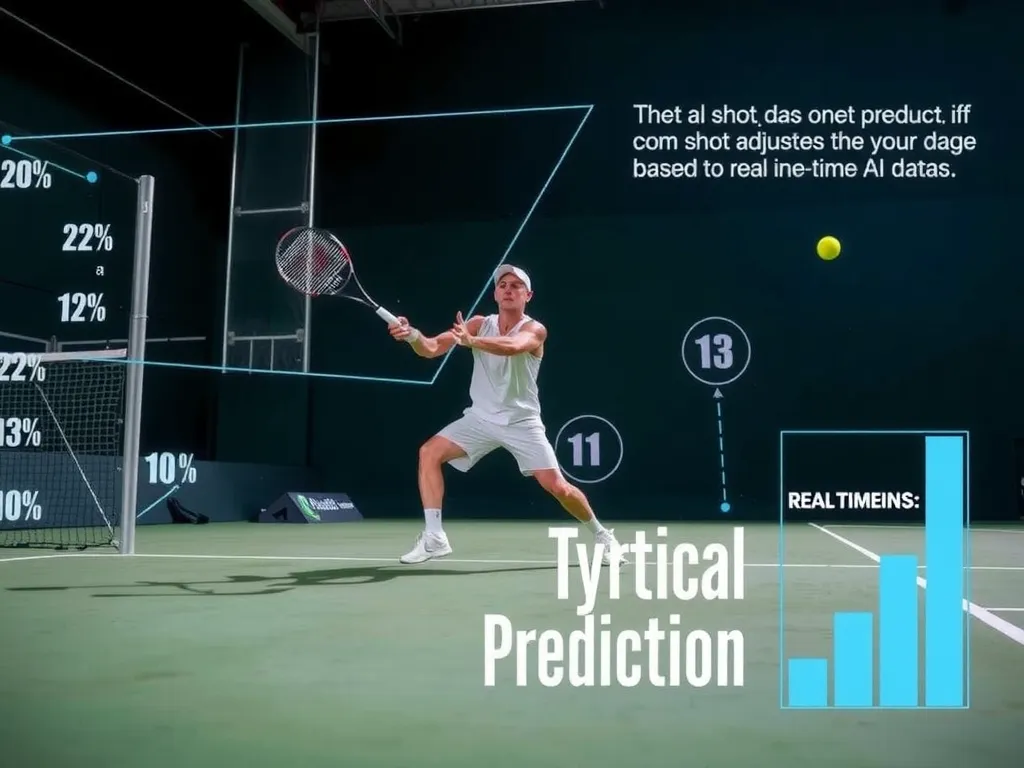
Coaching has evolved with detailed statistics that support individualized training and injury prevention. Microcycle plans adjust volume and intensity using wearable signals that detect asymmetries or early signs of overuse. Travel schedules, recovery windows, and nutrition timing can be coordinated from the same datasets, creating marginal gains that add up across a long season. For players without large support teams, cloud platforms deliver remote feedback that narrows the gap between elite and aspiring competitors.
AI-Enhanced Equipment
Manufacturers embed AI in rackets and wearables to monitor grip, swing speed, angle, and impact location. Sensors convert vibrations and contact points into metrics like spin estimates and strike consistency, while companion apps suggest drills that reinforce good mechanics. Some tools provide real‑time audio or haptic prompts, enabling self‑correction during practice. The same data powers virtual simulations so players can rehearse returns against specific opponents.
AI in Cricket
Cricket, from India to Australia, is advancing quickly with predictive analysis. By ingesting past match data, AI estimates player performance and venue conditions that influence outcomes. Models evaluate pitch behavior, dew patterns, and boundary dimensions to recommend batting orders and bowling changes tailored to each ground. Fielding placements can be mapped to a batter’s scoring zones, and tactics such as powerplay aggression versus middle‑overs consolidation are stress‑tested through thousands of simulated innings.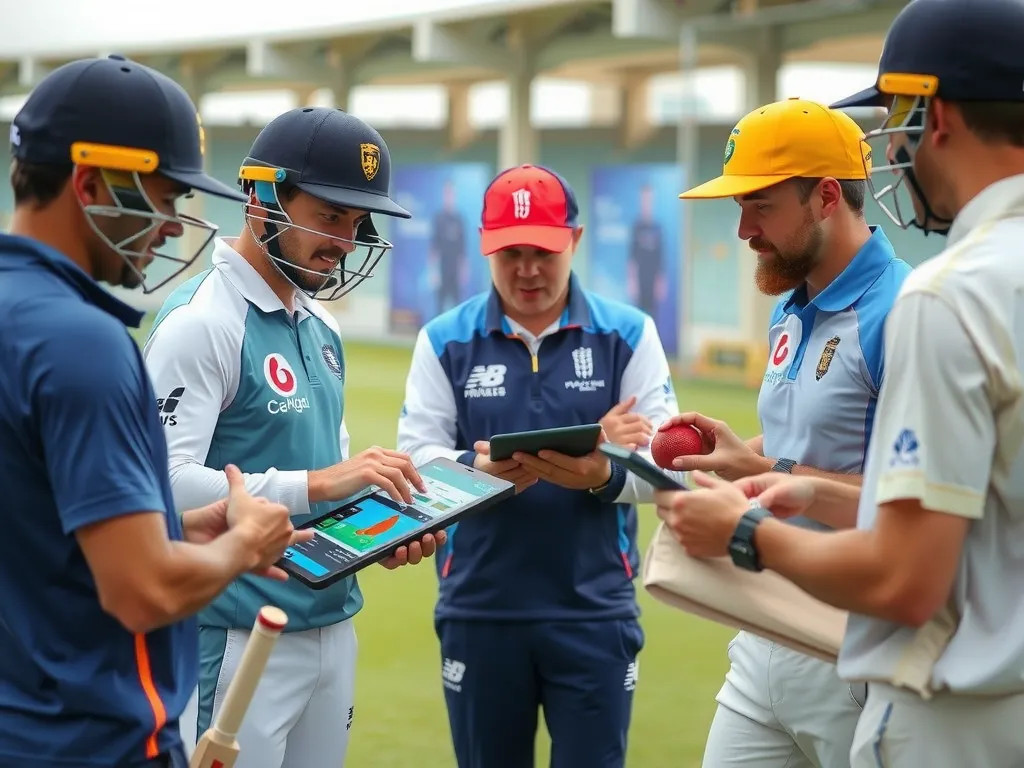
Fitness tracking is equally important. Fast bowlers face heavy workload stress, so AI tools aggregate run‑up speed, stride counts, and heart‑rate variability to time rest days and tapering blocks. Heat maps of wicket‑to‑wicket efforts help staff spot risky patterns before they become injuries. The same information informs selection across formats, ensuring T20 bursts do not compromise the endurance required for longer Test assignments.
Technology in Action
The Australian Cricket Team uses AI to evaluate fitness data and maintain standards through personalized sessions. Beyond training, broadcasters rely on automated tagging and highlight generation that turn complex sequences into digestible clips. Decision‑support dashboards synthesize weather forecasts, opposition lineups, and live ball‑tracking, giving captains clearer context when choosing to bat or bowl first and when to adjust tactics as conditions change.
AI and Fan Engagement
AI is also changing how supporters experience sport. From personalized feeds to tailored streams, audiences now receive viewing built around their interests. Recommendation engines surface relevant angles, replays, and stats, while automatic translation and captioning broaden access worldwide. Conversational assistants answer rules questions in real time and add context about rivalries, player milestones, or historical comparisons, turning passive watching into a more immersive, educational experience.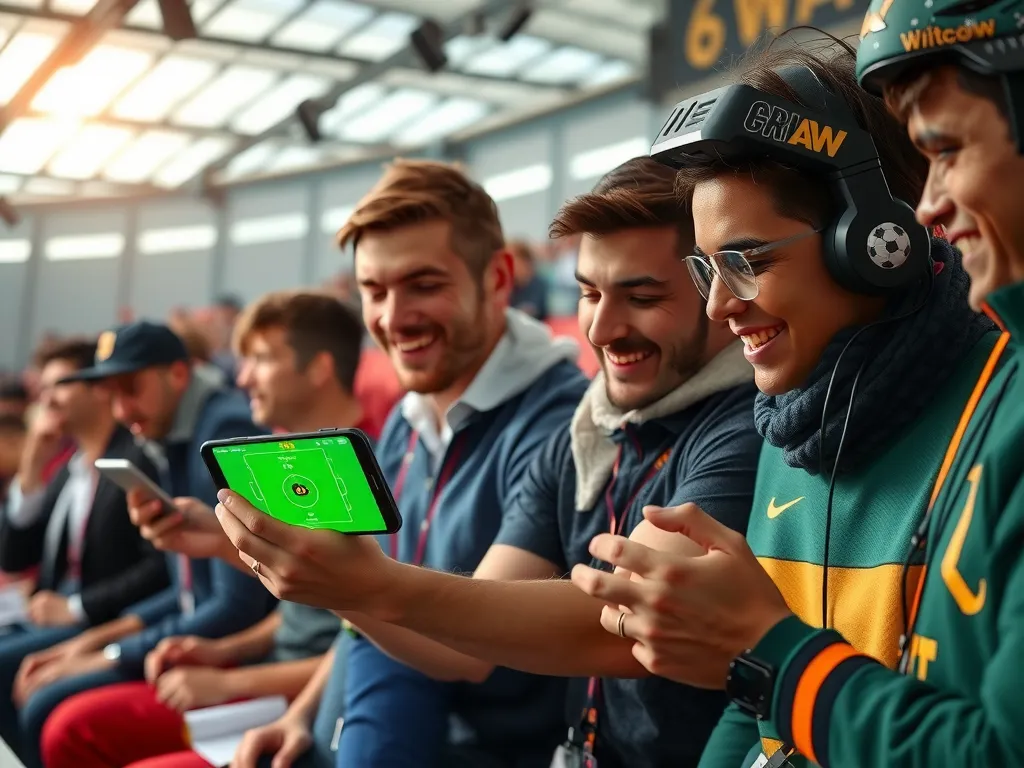
Interactive platforms let fans predict outcomes, track live statistics, and play fantasy with deeper data. Dynamic overlays display win probabilities and matchup insights without clutter, while second‑screen apps synchronize trivia and polls to key moments. Loyalty programs increasingly use machine learning to reward meaningful engagement—attending clinics, sharing events—creating a cycle that strengthens clubs and local supporters.
AI Innovations in Other Sports
Outside the biggest leagues, other sports are embracing similar tools. In baseball, AI supports analytics‑driven player evaluation and game prediction that blend tracking data with scouting reports. In ice hockey, it aids real‑time strategy adaptation and performance grading on short shifts.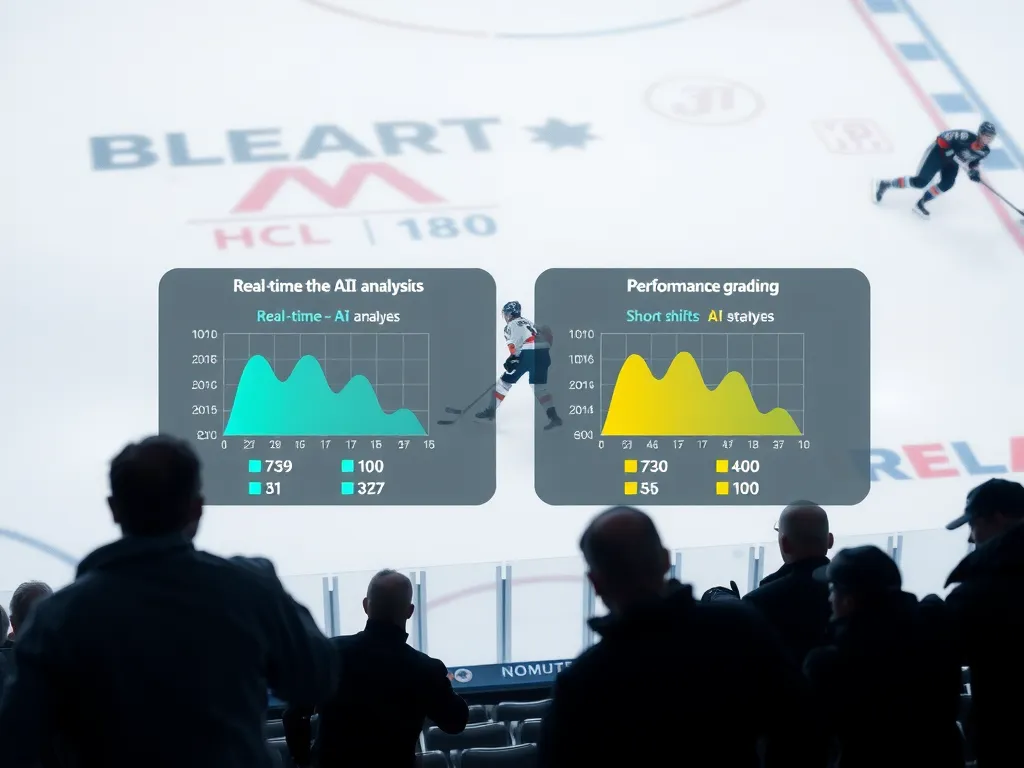 Endurance sports like cycling and distance running use pacing models combining course profiles and physiological thresholds to guide energy use.
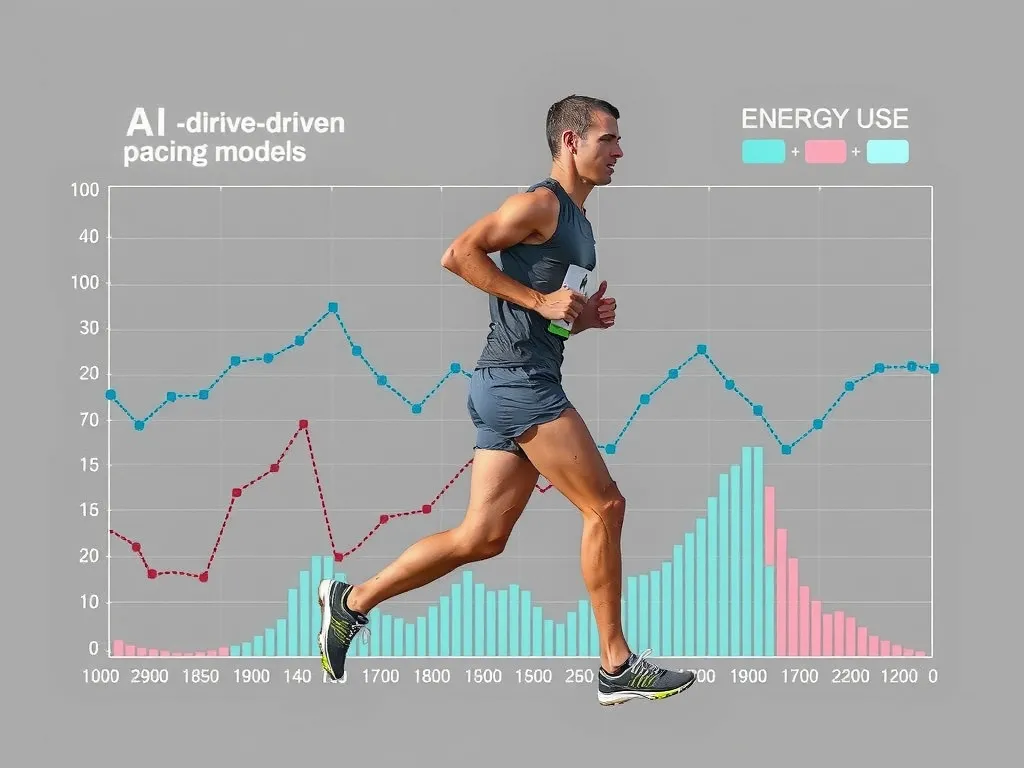 Swimming turns underwater video into stroke timing metrics, while motorsports fuse telemetry and vision to refine pit stops and fuel strategy.
Global Reach and Impact
AI’s reach is global, spanning many disciplines and opening new paths for competitive gains. Cloud‑based platforms lower barriers for smaller clubs, granting access to analytics once reserved for the wealthiest organizations. Responsible use is essential: protect privacy, minimize bias in selection models, and stay transparent about how data informs choices. Leagues and federations are drafting guidelines so innovation strengthens competitive balance rather than undermining trust.
Conclusion
This spread is still early. As technology progresses, integration will deepen, unlocking new levels of competition and engagement. Expect tighter links between wearables, scheduling tools, and performance databases, plus realistic simulations that let teams rehearse matches. As more organizations share best practices across sports, improvement—and the transfer of ideas from one discipline to another—will accelerate.
Whether on the field or in the stands, AI is becoming integral to the sports ecosystem. The next step is collaboration among coaches, athletes, analysts, technologists, and governing bodies to align performance with ethics, safety, and accessibility. Done well, AI complements human expertise, freeing people to focus on creativity, leadership, and teamwork, so the spirit of competition thrives in an increasingly data‑rich era.
Leave a Reply