






AI’s Impact on Fan Engagement in Football and Basketball


AI’s Influence on Fan Interaction in Football and Basketball
Sports, particularly football and basketball, are changing with technology playing a key role. Artificial intelligence (AI) has already improved analytics and performance, and its impact on fan interaction is rapidly growing. This article looks at how AI is transforming the traditional sports fan experience, broadening participation and interaction beyond the stadium. What once revolved around a fixed broadcast schedule and a single camera angle now expands into personalized, always‑on experiences that adapt to each fan’s preferences. AI helps create second‑screen moments—live polls, predictive plays, and instant breakdowns—that make even routine possessions feel engaging. It also connects distant supporters to local traditions, translating chants, explaining tactics, and contextualizing rivalries. For young fans, AI‑guided tutorials turn curiosity into understanding; for long‑time supporters, deeper data and historical comparisons reveal new layers of appreciation. In short, AI is shifting fandom from consumption to participation, inviting every viewer to become an informed, active part of the game.
The Current State of Fan Interaction in Sports
Traditionally, fan interaction relied on attending games, watching broadcasts, and using simple digital platforms like apps and online forums. AI now adds a variety of tools that personalize and enhance these experiences. Virtual and augmented reality (VR & AR) create immersive moments, while AI analyzes vast amounts of data to customize content. The NBA, for instance, uses AI to offer personalized highlight reels, increasing interaction by adding a personal touch. Recommendation systems surface the right clip at the right moment, whether that is a defensive stop for a tactics‑minded fan or a dunk montage for someone who loves high‑energy plays. Computer vision automatically tags actions, players, and formations, shortening the path from a live play to a shareable highlight. Notifications can be tuned to a fan’s schedule and bandwidth, offering quick recaps during a commute or deep dives on a weekend. Even commentary evolves: automated summaries, multilingual captions, and accessibility features enable more people to follow along comfortably.
AI Use in Football Fan Interaction
Football clubs are leading the way in using AI to connect more closely with their fans. Liverpool FC, through its AI-powered platforms, provides fans with unique insights into game strategies and real-time match stats. These efforts turn match days from passive watching into interactive experiences. Such technologies significantly boost fan loyalty and interaction, changing how fans see and engage with football. AI‑generated pre‑match explainers can highlight the storylines that matter to each supporter—key duels, set‑piece tendencies, or how a new signing might fit a system. During the game, prediction games and friendly challenges keep communities buzzing without overshadowing the on‑field action. Afterward, personalized debriefs combine clips, heat maps, and press‑conference snippets into a concise narrative. Clubs also deploy chat assistants to answer ticket, travel, and merchandise questions, and to guide visitors around stadiums with real‑time crowd and queue updates. For global audiences, translation and culturally aware summaries make the club feel close, even from thousands of miles away.
Transforming Basketball Fan Interaction
Basketball, especially the NBA, leverages AI to enhance fan experiences through tech-driven interaction strategies. The Golden State Warriors use AI analytics to tailor content for fans, from individual player stats to game highlights. This customization ensures that fans get content that matches their specific interests, thereby boosting attendance and improving online viewing.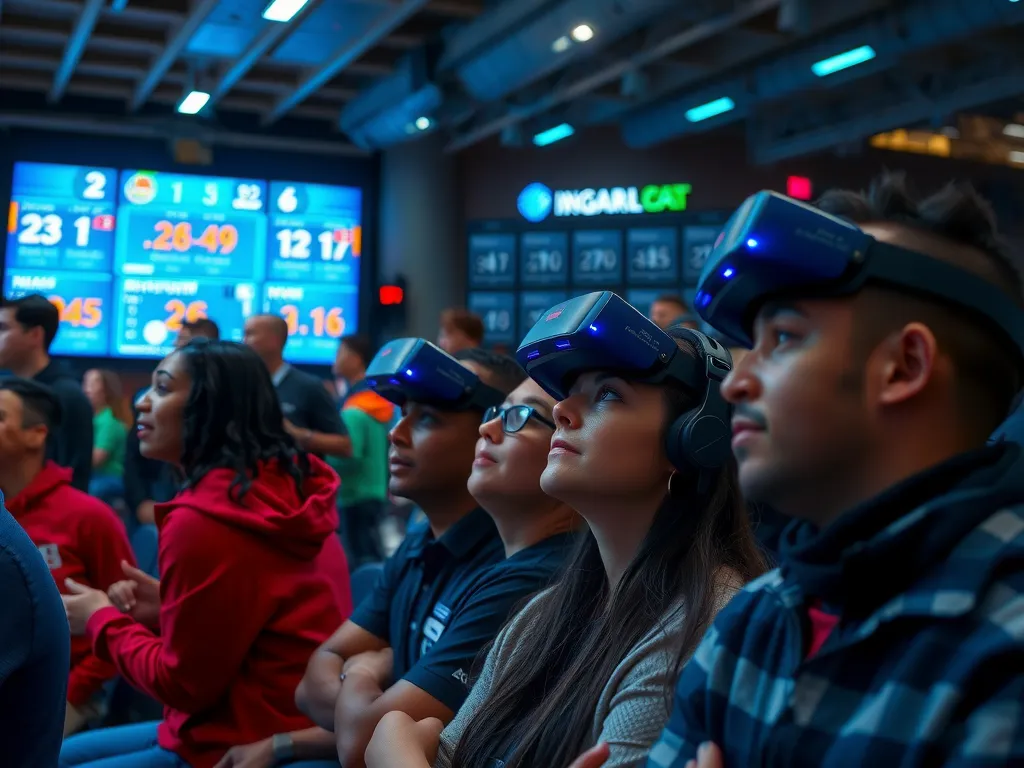 Real‑time shot charts, win‑probability graphs, and matchup visualizations provide a modern second screen that complements the broadcast rather than competing with it. Interactive streams allow fans to switch camera angles or follow a favorite player for a quarter. Some teams experiment with flexible viewing options, such as purchasing access to the final minutes of a close game, which lowers barriers to participation. In‑arena, AI helps reduce friction with smart entry, dynamic parking updates, and concession wait‑time estimates. The same principles extend across leagues and levels, from the WNBA to developmental circuits, making advanced engagement tools accessible to broader basketball communities.
AI in Sports: Connecting Virtual and Real Experiences
AI technologies, including AR and VR, help connect the virtual and physical sports worlds. These tools allow fans to enjoy interactive game experiences from home, making them feel as if they were at the stadium. Mobile apps using machine learning help fans follow games in real-time, providing statistical analyses that reflect on-the-ground commentary. Beyond the living room, co‑watching rooms synchronize streams so friends can react together, while AI keeps latency low and audio clear. Stadium “digital twins” mirror seating, sightlines, and amenities, helping fans choose their view before purchasing. During replays, AI can reconstruct plays in 3D, letting viewers rotate the action to understand spacing and timing. Wearables and connected devices contribute heart‑rate‑aware alerts or gentle haptic taps when a favorite player checks in. Accessibility gains are significant: automated audio descriptions, adjustable color contrasts, and live translation bring more supporters into the fold. Whether remote or on‑site, AI stitches moments into a cohesive, shared experience.
Challenges and Opportunities in AI-driven Fan Interaction
Using AI in fan interaction brings several challenges, from data privacy concerns to the complexity of new technologies. However, these challenges also create opportunities for innovation. Teams that effectively navigate the tech landscape can redefine fan interactions, blurring the lines between participation and watching. Clear consent and preference controls are essential so supporters understand what data is collected and how it is used. Transparent recommendation settings can reduce “filter bubbles” by allowing fans to dial up discovery or lean into favorites. Safeguards against manipulated media and impersonation protect trust; watermarks and provenance tools help audiences verify what they see. Accessibility and affordability matter too: not every fan owns high‑end devices or fast connections, so light modes and offline summaries keep experiences inclusive. Security must be built in from the start to protect payment and identity data.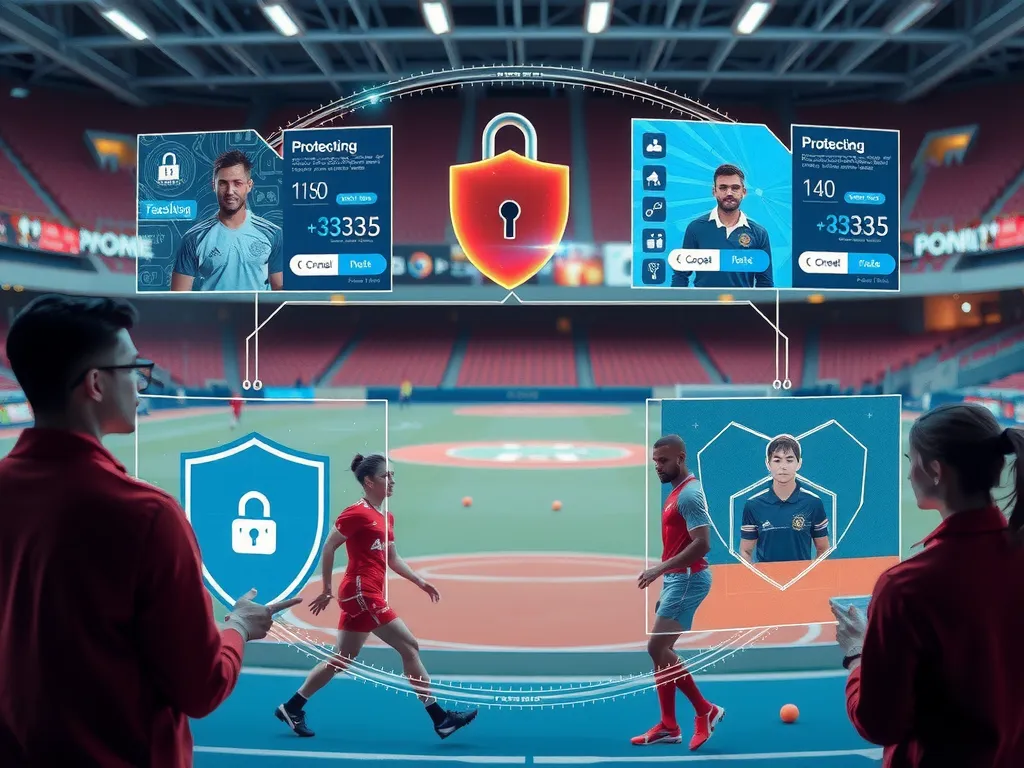 At the same time, AI lowers barriers for smaller clubs to serve global audiences, moderate communities, and deliver sponsor activations that feel relevant rather than intrusive.
The Future of AI in Sports Fan Interaction
Looking forward, AI’s role in sports will continue to develop, offering even more immersive experiences that engage fans on multiple levels. New AI technologies promise to further personalize fan experiences, ensuring that every interaction is engaging and meaningful. AI is expected to become essential in keeping sports communities lively and interactive. Generative tools may craft commentary in a preferred tone or language, pair highlights with tailored context, and surface under‑the‑radar stories that match a fan’s curiosity. Mixed‑reality broadcasts could blend volumetric replays with real‑time stats that hover naturally in the scene. Smart venues will use AI to adjust lighting, sound, and signage to the moment, while at‑home systems integrate with TVs, mobile devices, and cars for seamless listening. Fans may co‑create content—assembling their own game stories to share—while clear guidelines and disclosures keep synthetic elements responsible and respectful. As standards mature, expect more interoperable identities so preferences travel safely across platforms and leagues.
Conclusion
AI is clearly changing the landscape of fan interaction in sports. By providing personalized, immersive experiences, AI enhances traditional sports watching, making it more interactive and engaging. As sports teams and leagues continue to explore AI, keeping an eye on these technologies will be important. Fans are encouraged to embrace these advancements, which aim to enrich their experiences without losing the core passion that unites fans. Human voices still matter—players, coaches, journalists, and supporters give meaning to the numbers—and the best uses of AI elevate that storytelling rather than replace it. A practical approach is to set content preferences, review privacy settings, and share feedback with teams and leagues. Those small steps help guide innovation toward what fans value most: connection, clarity, and shared moments that last.
Want to keep up with AI developments in sports? Subscribe to our newsletters and share your thoughts on how AI has changed your sports interaction experience! Tell us which tools you love, which features you would improve, and what questions you have about ethics, access, and transparency. We will include case studies, behind‑the‑scenes explainers, and polls so your voice shapes future coverage. Join the conversation and help build a smarter, more inclusive era of fandom.