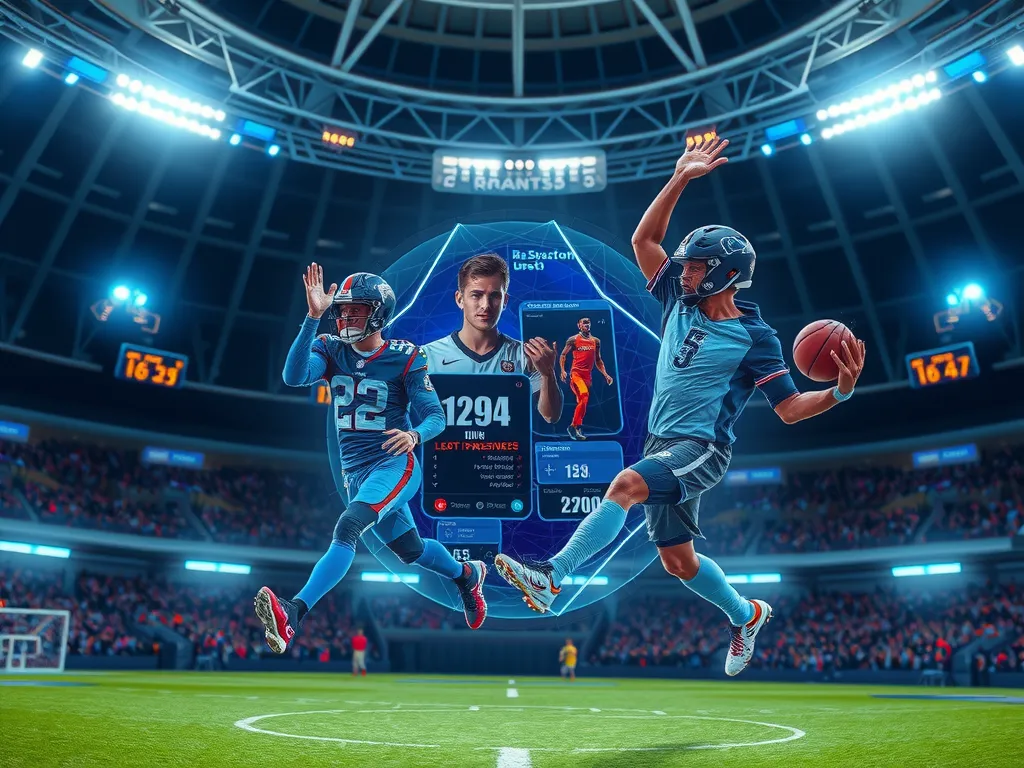
AI in Predictive Sports Analysis: Changing Decision-Making in Football and Basketball
Artificial intelligence (AI) has quickly transformed sports in recent years, with predictive analysis being a key breakthrough. Traditional metrics are still important, but AI offers forward-looking insights that alter how teams and athletes prepare and compete. Instead of asking only what happened and why, coaches and analysts now ask what is likely to happen next and under which conditions. Predictive models help frame probabilities around choices, letting staff weigh risks and rewards with greater precision. The shift is not limited to game day; it extends to scouting, training design, rehabilitation planning, and even contract negotiations. Focusing on football and basketball, this article explores how AI-driven prediction is reshaping decision-making in these sports while complementing, rather than replacing, expert judgment and on-field experience.
The Strength of AI in Sports Prediction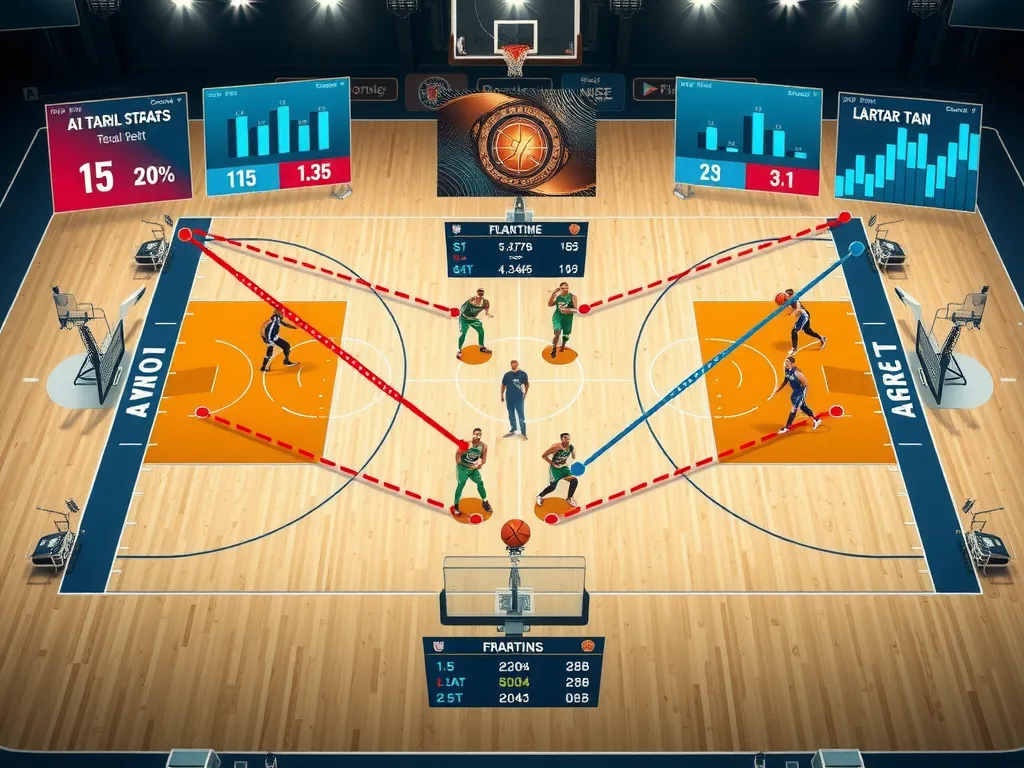
Predictive sports analysis uses machine learning to dig through large datasets and find patterns beyond human capability. In football, models predict game outcomes by considering past results, player stats, weather conditions, and even crowd sentiment. They integrate tracking information from wearables and optical systems, learning how speed, acceleration, spacing, and formation shifts interact with match context. In basketball, they forecast gameplay trends by analyzing shooting patterns, defensive strategies, and individual matchups. Event data is fused with spatial coordinates to estimate expected possession value, likely shot quality, and turnover risk. The real power lies in combining diverse signals—physiological load, travel schedules, tactical tendencies, and historical performance—into a single probabilistic view that helps decision-makers anticipate scenarios before they unfold.
Data-Driven Insights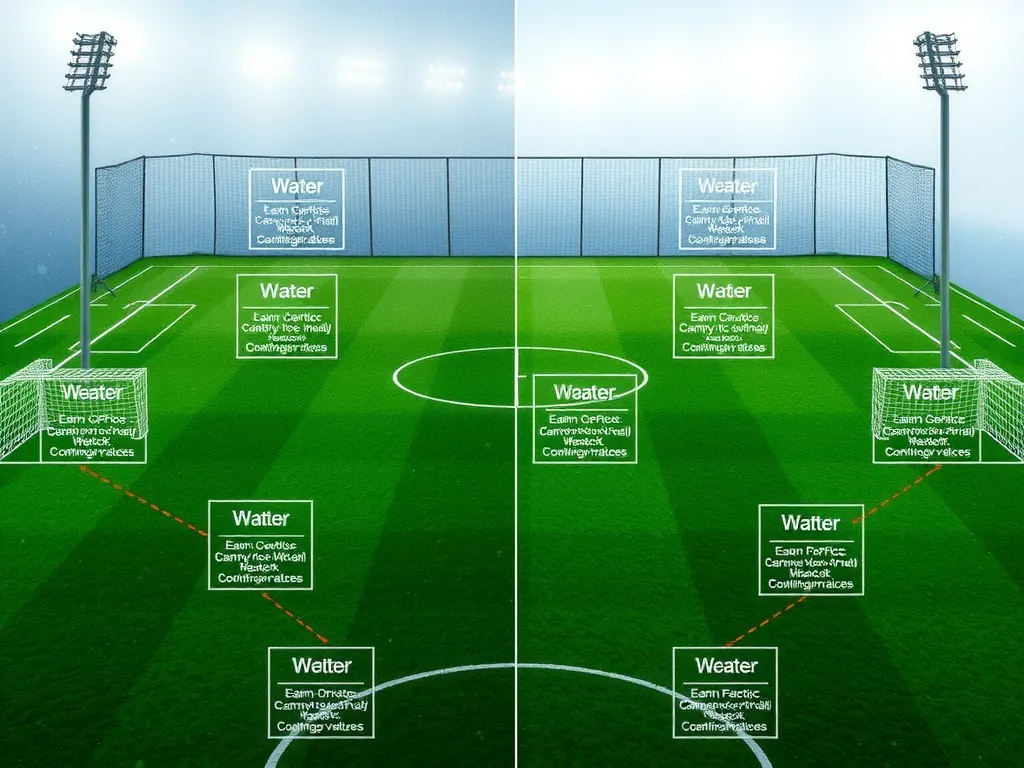
These insights help teams get ready for likely in-game situations. Before a match, football analysts can use AI platforms to see how various weather conditions might affect performance. Wind and rain, for example, can alter passing depth or set-piece success rates, guiding adjustments in training and warm-ups. In basketball, coaches can study how fatigue impacts shot success from particular spots on the court, then tailor rotations or practice drills to preserve shooting legs late in games. AI also supports scenario planning: simulating dozens of plausible game scripts and identifying the substitutions, formations, or play calls that historically perform best in each. By rehearsing the most likely contingencies, staff reduce the cognitive load on game day and respond more decisively when pressure spikes.
AI-Driven Decision-Making for Coaches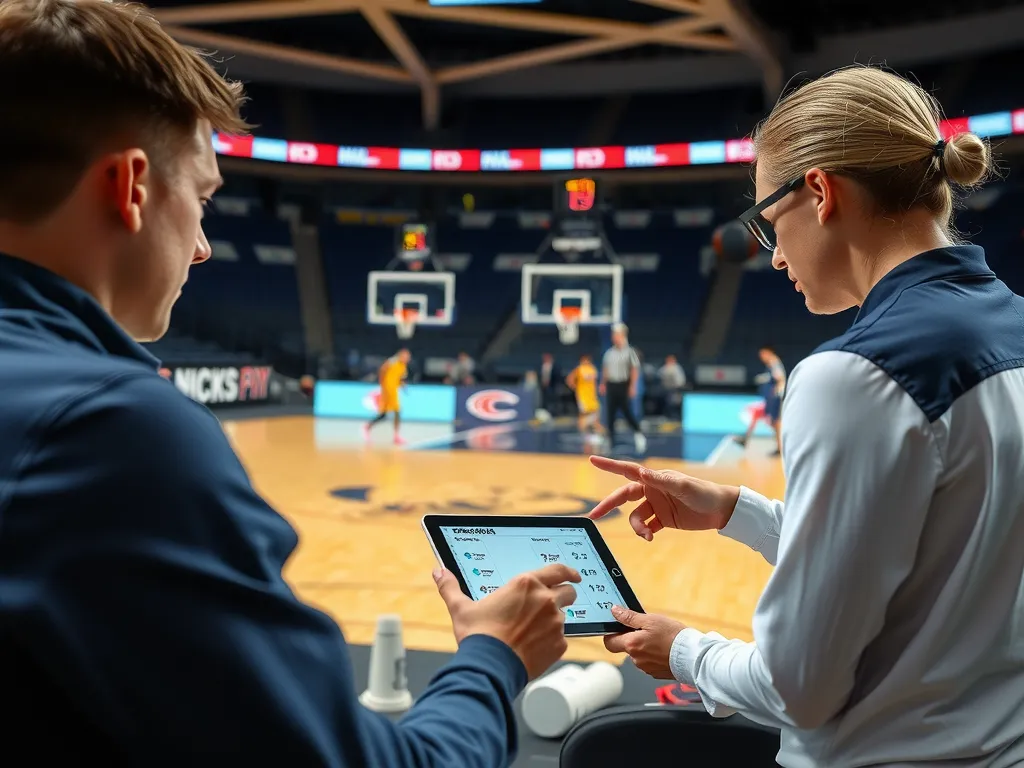
AI enhances coaching decisions with timely, predictive analytics. Tactical formations can be adjusted by analyzing opponent strategies, player fitness, and travel logistics. For example, a football team might alter pressing intensity after models flag diminished sprint capacity following a congested fixture list. In basketball, rotation plans can be shaped by projections of opponent lineup combinations, exploiting mismatches when second units share the floor. With this support, coaches choose lineups and substitutions more confidently, relying less on guesswork and improving the chances of good results. Crucially, AI systems surface the reasoning behind recommendations—key variables, comparable historical cases, and confidence intervals—so staff can weigh model guidance against their own read of momentum, chemistry, and morale.
Tactical Adjustments in Real-Time
During play, AI provides real-time signals that guide quick adjustments. In basketball, if a key player is likely to underperform, the system may suggest lineup changes or a strategic timeout to address the issue. Live tracking can detect defensive coverages that are quietly leaking corner threes and propose switching to a different pick‑and‑roll scheme—drop, switch, or hedge—based on expected possession value. In football, sensor data combined with predictive models enables rapid reshuffling to keep the team balanced against the opposition. Sideline tools update win probability and expected points after every play, informing choices on fourth downs, two-point attempts, and clock management. When combined with video snippets highlighting the trigger for a recommendation, these cues help translate complex analytics into clear, actionable coaching moves.
Predictive Player Performance Metrics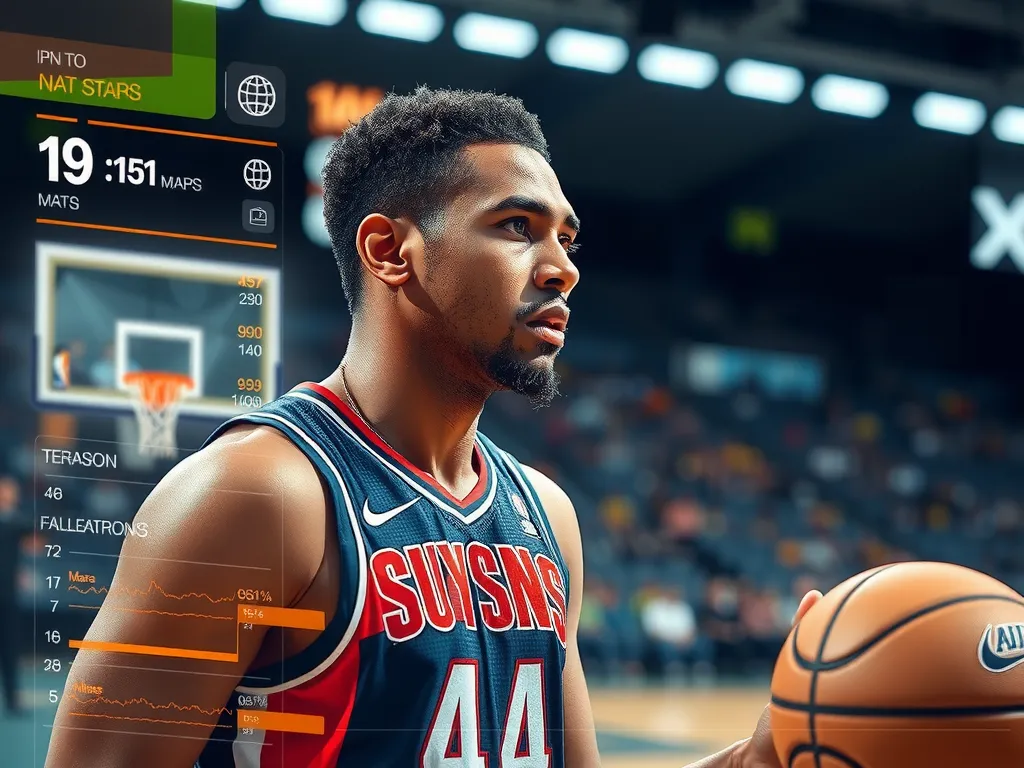
Beyond team tactics, AI excels at forecasting individual performance. By estimating player development, injury risks, and long-term paths, these tools offer clubs the foresight to manage athletes more effectively. Player similarity models compare trajectories to historical cohorts, projecting likely growth in key skills such as shooting efficiency, decision speed, or coverage versatility. Front offices can blend those forecasts with salary-cap scenarios to evaluate extensions, trades, or draft choices. For athletes, individualized dashboards translate predictions into daily habits—sleep, nutrition, recovery protocols—that measurably influence readiness. Instead of treating form as a mystery, teams view it as a set of leading indicators that can be nudged in the right direction.
Injury Prevention and Management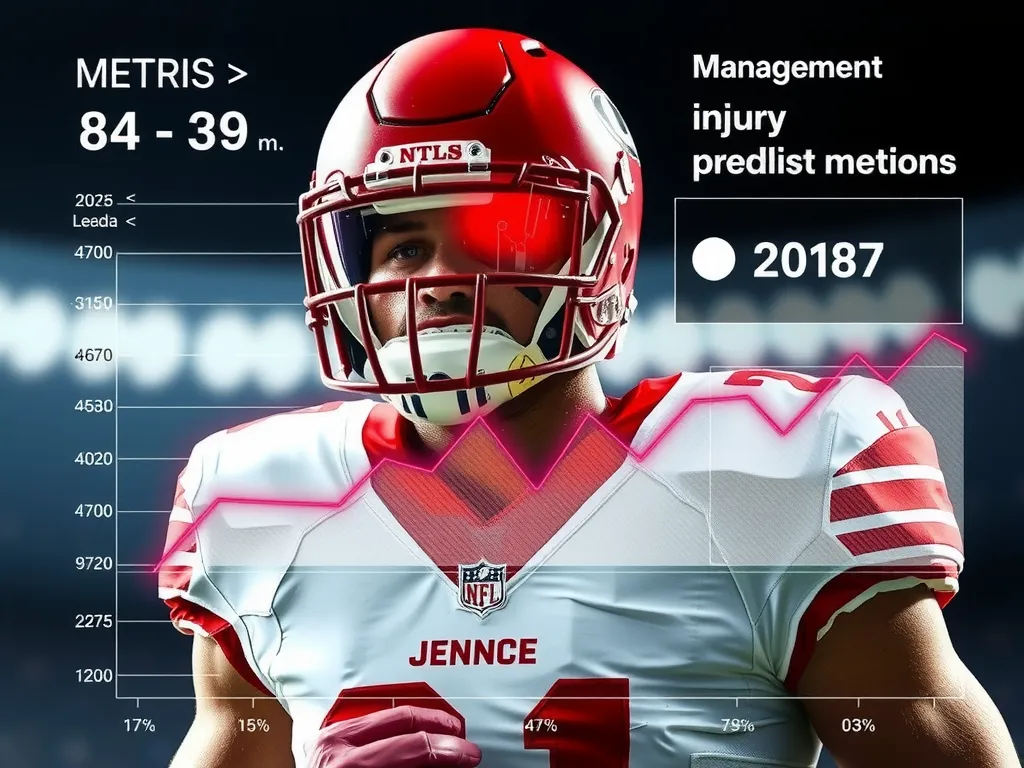
A critical football use case is injury prevention. Models evaluate training loads, match schedules, and past injuries to predict risk, helping medical staff plan preventive measures and keep players in top shape. GPS and inertial sensors track high-speed running, decelerations, and change-of-direction counts, highlighting when hamstring or groin risks rise above thresholds. Basketball programs use similar monitoring to adjust training intensity and lower injury chances. Jump asymmetry, landing mechanics, and cumulative minutes help inform practice constraints or targeted strength work. While no model can eliminate injuries, predictive tools enable earlier interventions, more deliberate return‑to‑play progressions, and clearer communication among coaches, trainers, and athletes about the trade-offs between short-term availability and long-term health.
Case Study: AI’s Impact on Game Strategy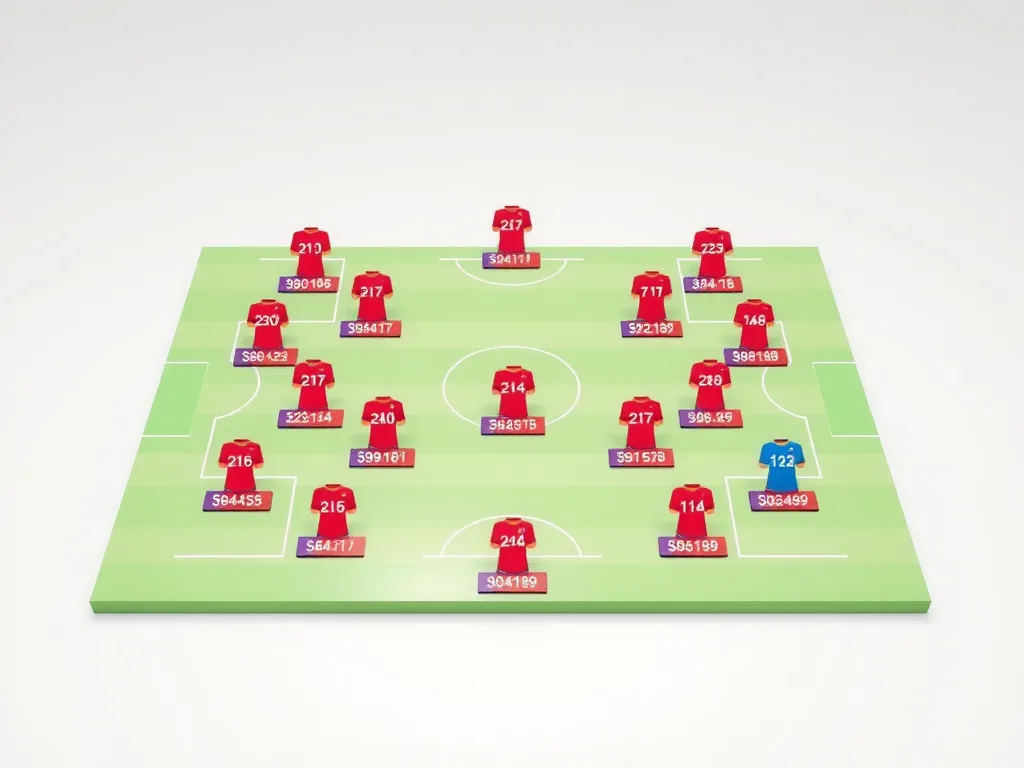
A notable example is the increasing use of AI in leading European football leagues, especially the Premier League, where clubs use AI-driven platforms to enhance performance. Teams ingest opponent patterns—pressing triggers, build‑up preferences, and set‑piece routines—and simulate how alternative shapes might disrupt those rhythms. AI improved Manchester City’s strategic planning by offering insights that refined player positioning and boosted offensive productivity. Similar methods aid set‑piece design, where algorithms iterate blocking paths, runs, and delivery angles to maximize chances against specific defensive schemes. Even travel and recovery plans benefit: scheduling models balance rest, training intensity, and kickoff times to minimize performance dips during congested stretches, turning logistical details into strategic advantages.
Enhanced Game Intelligence
Basketball teams like the Los Angeles Lakers use AI to study opponents’ playing styles. Drawing from previous games, models predict which defensive setups are most effective, providing a competitive edge in high-stakes playoff series. Film and tracking data are merged to map shot profiles and identify the actions—Spain pick‑and‑roll, ghost screens, flare cuts—that best unsettle a given defense. Lineup models estimate how star pairings interact with spacing bigs or switch-heavy wings, guiding when to stagger minutes or ride a hot combination. Crucially, these systems do not dictate tactics; they narrow the search space, letting coaches focus on a few high‑probability adjustments and communicate them clearly to players in huddles and walkthroughs.
Challenges and Future Directions
Despite its advantages, AI in sports faces challenges. Ongoing data needs, potential over-reliance on algorithms, and ethical questions around player data are real concerns. Data quality varies by venue and vendor, and small errors in tracking can cascade into misleading recommendations. Models trained on past seasons may struggle when rules, styles, or player roles shift, so continual recalibration is essential. There is also the risk of bias—if historical opportunities favored certain profiles, predictive outputs can unintentionally reinforce those patterns. Cultural adoption matters too: coaches and athletes need interpretable explanations, not black‑box edicts, and organizations must invest in collaboration between analysts, medical staff, and performance coaches. The competitive landscape evolves quickly; edges diminish as ideas spread, making process discipline and human creativity as important as the algorithms themselves.
Innovation in AI Applications
Future applications will likely focus on ethics and transparency. Stronger consent mechanisms and privacy protocols should become standard in sports AI. Privacy‑preserving approaches—such as federated learning and differential privacy—can help teams learn from larger datasets without exposing sensitive information. Ongoing research may also expand uses beyond analysis, including enhanced fan engagement and virtual reality experiences. Digital twins of players and teams could allow safe experimentation with tactics or rehab plans, while generative simulations help staff rehearse late‑game scenarios at scale. On the operations side, conversational tools may surface insights in plain language, speeding decisions during timeouts or halftime. As these innovations mature, governance frameworks will be vital to ensure integrity, fairness, and alignment with athlete well‑being.
Conclusion
AI-driven predictive analytics is changing football and basketball. By altering how teams assess, plan, and execute strategy, AI is boosting competitiveness and operational efficiency across the board. The most successful programs pair models with experienced judgment, keeping a human in the loop to interpret context and communicate clearly to players. Organizations that invest in data quality, ethical safeguards, and collaborative workflows will extract the greatest value while maintaining trust. As innovation continues, AI will remain key to the future of sports analytics, delivering deeper insights and setting new standards for performance and strategic management—ultimately enriching the game for athletes, coaches, and fans alike.
Leave a Reply