






Building a Thriving Basketball Community: Engaging, Growing, and Sustaining Enthusiasm


Building a Lively Basketball Community: Connecting, Expanding, and Sustaining Interest
Basketball is among the most thrilling and fast-moving sports. However, efforts to cultivate a robust basketball community often get overshadowed by football-centric coverage. As digital platforms change how fans connect, it’s crucial for fans and organizers to engage effectively, then nurture and grow their fan base. This article outlines strategic approaches for creating and maintaining a lively basketball community, offering practical insights and community-building methods. At its best, a basketball community bridges pickup runs at the neighborhood court, youth and school leagues, rec teams, and pro fandom into one continuous culture. Because conversations are scattered across apps and time zones, success depends on intentionally connecting those dots—aligning what happens online with what happens on the court. Think of it as moving from a loose audience to a true community: a place where people not only consume content, but also contribute, collaborate, volunteer, and feel ownership over the shared experience.
Grasping the Essence of Basketball Community Building
A strong basketball community begins with understanding what fuels enthusiasm and participation. Unlike static spaces, interactive communities thrive on involvement, engagement, and a shared sense of belonging. Here are the essentials: people join for the highlights but stay for the relationships, rituals, and running jokes that form over time. The best groups build a common language—favorite chants, game-day traditions, playlists for warmups—while remaining welcoming to newcomers who are still learning the rules. That balance of identity and openness creates momentum that keeps members returning, even during slower parts of the season.
1. Enthusiastic Leadership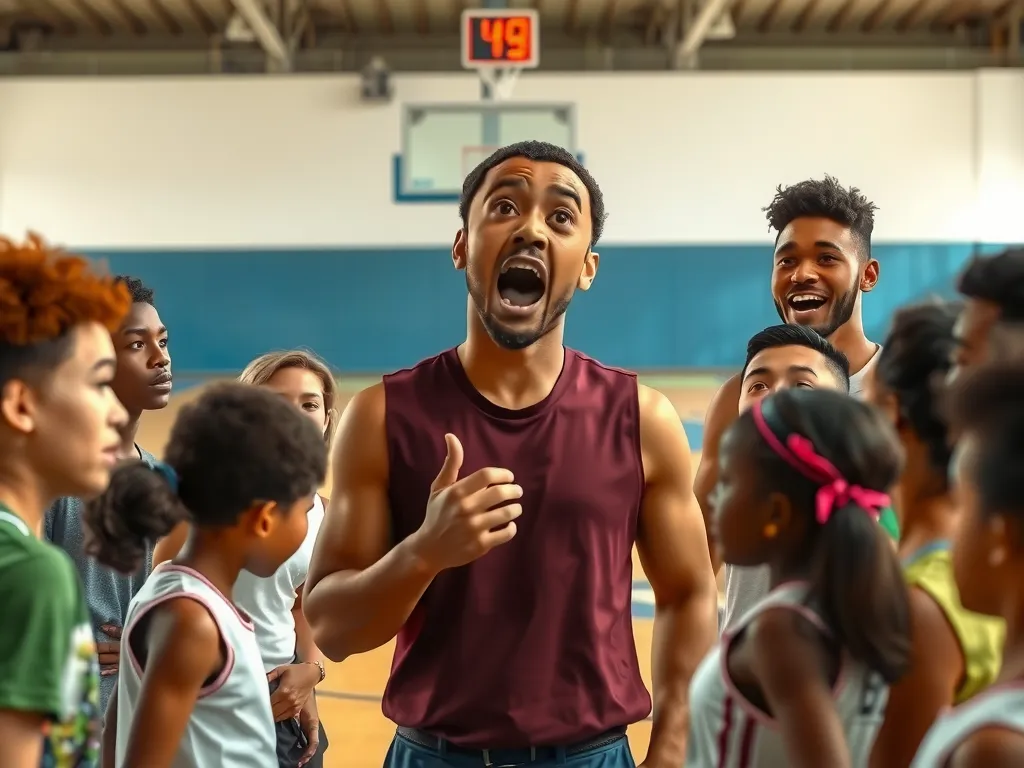
Successful communities begin with leaders who are both passionate and knowledgeable about the sport. They set the atmosphere, connect with members, and champion initiatives that keep energy high. For example, organizers can host basketball trivia nights, regular game viewings, and interactive forums to spark member interest. Great leaders also model the culture they want to see: they greet new members, credit volunteers, and show up consistently. Establish norms—like a clear code of conduct, inclusive language, and guidelines for respectful debate—so disagreements stay productive. Delegating roles (moderators, event coordinators, storytellers, and coaches) prevents burnout and builds a sustainable pipeline of future leaders who can step in when schedules change.
2. Engagement Methods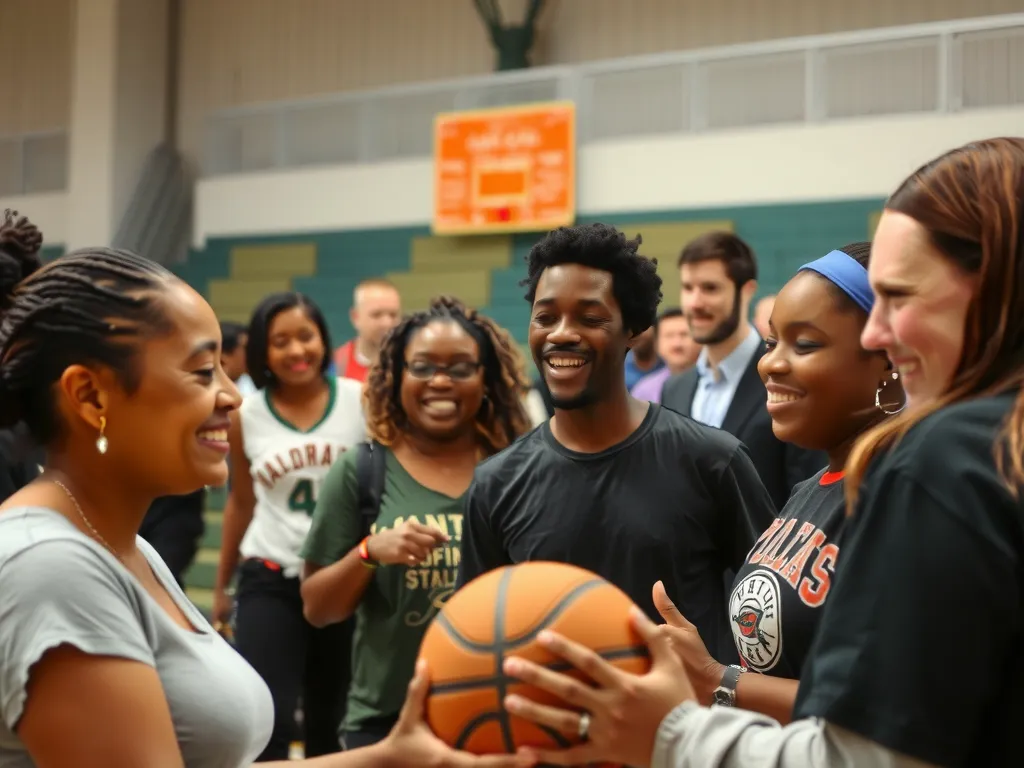
Engagement is more than delivering information; it’s about creating opportunities for active involvement. Use discussion forums, social media groups, and local gatherings. Consistent activity—online and offline—builds friendships, strengthens cooperation, and fosters team spirit. Consider recurring series that members can anticipate: weekly game threads, film-study watch-alongs, skill-share sessions for players, and casual open gyms with signups to ensure balanced teams. Friendly competitions—fantasy leagues, bracket challenges, three-point contests—add light stakes and spark conversation, while mentorship pairings connect longtime fans with new followers who want to learn the game.
3. Varied Content
Varied content serves a wide range of interests. Mix game highlights and analytical articles with player interviews and behind-the-scenes stories to keep members interested and returning. Include beginner-friendly explainers (like basic offensive sets or foul rules), strategy breakdowns for advanced fans, and storytelling that features local high school programs, college teams, and community heroes. Spotlight women’s basketball, developmental and international leagues, and the culture that surrounds hoops—fashion, music, training routines, and recovery. Nostalgia pieces about classic moments can spark cross-generational dialogue, while community profiles showcase members who contribute in unique ways.
Cultivating Interactive Platforms
Interactive platforms are the backbone of any successful sports community. They should make it easy for members to connect and to share updates and discussions in real time. Prioritize tools that are mobile-first, accessible, and simple to navigate, with clear onboarding for newcomers. Moderation features, privacy controls, and multilingual support help maintain a welcoming environment as the community grows. A mix of channels—such as a forum for long-form discussion, group chat for quick coordination, and a newsletter for key announcements—ensures important information is easy to find rather than buried in endless feeds.
Tools for Participation
Polls, quizzes, and live Q&A sessions can significantly boost involvement. Using these tools helps organizers gather valuable feedback and ensures members feel heard. Regularly updated content—such as blog posts and event highlights—also keeps the community informed and engaged. Light gamification (badges for hosting a watch party, attending volunteer events, or posting helpful analysis) encourages contribution without turning participation into a grind. Rotate hosts for live sessions to widen voices, and invite community experts—coaches, trainers, and long-time superfans—to share tips and stories that deepen everyone’s understanding of the game.
Immediate Updates
Immediate updates on games, scores, and community events keep fans engaged and informed. Platforms that deliver quick, accurate information are the most effective at retaining interest and boosting interaction. Use notifications wisely by offering opt-in alerts and quiet hours, and favor accuracy over speed when sharing breaking news. Consolidated game threads and post-event recaps reduce noise, while clear edit notes maintain trust if corrections are needed. Scheduling posts to account for different time zones helps keep international members connected without missing key moments.
Examples of Successful Basketball Communities
1. The Toronto Raptors Fanbase
The Toronto Raptors have a notably devoted fan base, supported by strategic initiatives that emphasize community interaction. Beyond the games, they involve fans through social media challenges and local events, keeping enthusiasm high even in the off-season. Large outdoor watch parties near the arena, citywide art projects, and charity drives transform game days into civic celebrations. Youth clinics, basketball camps, and recognition for community volunteers deepen ties between the team and its supporters. By highlighting superfans and sharing their stories, the community creates role models who inspire new members to join and participate.
2. Digital Engagement: NBA All-Star Voting
The NBA’s All-Star Voting initiative showcases the power of digital engagement. By letting fans vote for All-Star players, the NBA encourages widespread participation and helps fans feel connected and influential in the decision-making process. Communities can amplify impact with tutorials for first-time voters, reminder posts tied to voting windows, and friendly contests among local groups or school clubs. Promoting fair play and respectful debate keeps the focus on celebrating diverse talents, not just the most popular names, while giving visibility to emerging players whose stories resonate with members.
Practical Steps and Step-by-Step Guide
Implementing community-building strategies works best with a clear structure. Here’s a step-by-step guide: start small, test ideas, then scale what works. Define a few measurable signals—active members per week, retention month to month, event attendance, and the quality of discussions—to track progress. Align activities with the basketball calendar so your biggest pushes land during pivotal moments, and schedule short debriefs after each initiative to capture lessons while they’re fresh.
Step 1: Identify Key Platforms
First, choose the digital and physical spaces that suit your community’s needs. Options range from social platforms like Facebook or Reddit to local community halls for in-person gatherings. Consider discoverability (public groups vs. private spaces), data ownership (newsletter lists vs. algorithmic feeds), and the age and preferences of your members. Pair a persistent “home base” (forum or website) with faster channels (group chat, SMS for urgent updates) and an email newsletter for durable announcements. For in-person play, use simple sign-up forms and posted schedules at gyms to keep coordination smooth.
Step 2: Conduct Needs Assessment
Learn what your community wants through surveys or feedback forums. Engaging members to understand their interests helps tailor content and events to their preferences. Ask practical questions: preferred event times, transportation options, cost sensitivity, and interest in roles like coaching, refereeing, or photography. Build light personas—newcomer fan, stat-savvy analyst, parent of a youth player, former athlete returning from injury—to guide programming. Address access barriers with sliding-scale fees, equipment libraries (like loaner basketballs or ankle braces), and clear information for participants with different ability levels.
Step 3: Develop Content Calendar
Build a detailed calendar that highlights key events, game nights, and interaction opportunities. A thoughtful plan sustains consistent engagement and gives members something to look forward to. Map content across macro cycles (preseason, regular season, playoffs, offseason) and micro rhythms (weekly posts, monthly features). Use recurring themes—Technique Tuesday, Film Friday, Community Spotlight—to simplify planning. Keep evergreen pieces ready for quiet weeks, and outline contingency plans for breaking news. Share the calendar with volunteers, assign clear owners, and review performance monthly to refine topics and timing.
Best Practices for Sustaining a Basketball Community
Building a community is only the beginning; sustaining it requires ongoing care and attention. Design an intentional onboarding experience: a welcome message, a quick-start guide, and introductions that match newcomers with similar interests or local groups. Publish a concise code of conduct and escalation path so members know how to handle conflict. Prioritize accessibility with captions on videos, alt text on images, and hybrid events that include in-person and virtual options. Finally, plan rest periods for organizers and volunteers to prevent burnout and keep enthusiasm high through long seasons.
Invest in Community Leaders
Empower leaders with the tools and resources they need to drive engagement and organization. Regular leadership meetings and workshops help maintain a vibrant culture. Create written role descriptions, lightweight playbooks for common tasks (hosting watch parties, moderating threads), and mentorship between experienced and emerging leaders. Recognize contributions publicly and—where possible—budget for small stipends, equipment, or training. Build diversity into leadership to reflect the community’s makeup and offer conflict-resolution and inclusive facilitation training to keep discussions constructive.
Embrace Community Feedback
Active listening matters. Solicit feedback regularly and show responsiveness by implementing popular suggestions. This both validates member input and keeps the community adaptable as interests change. Use open town halls, anonymous suggestion forms, and quick polls to gather ideas, then maintain a simple public roadmap so members can see what’s planned, in progress, and completed. Close the loop by reporting back on what you learned and what you’re changing. Celebrate member-led initiatives to signal that the best ideas can come from anywhere.
Conclusion
Building and sustaining a thriving basketball community calls for strategic planning, consistent engagement, and the flexibility to adapt to changing fan dynamics. By relying on enthusiastic leadership, interactive platforms, and diverse content strategies, basketball enthusiasts can create communities that are engaging and enduring. The focus going forward should be on strengthening these communities to cultivate loyalty and growth, ensuring basketball remains central to sports engagement for years to come. When executed thoughtfully, the results extend beyond fandom—stronger local networks, safer spaces for youth to learn teamwork, and a culture that values participation as much as performance. Keep the door open to new members, and keep experimenting with formats that make the game accessible and exciting for all.
We hope this guide inspires future community-building efforts, encouraging sports fans worldwide to take active roles in nurturing the basketball communities they love. By following these strategies, your community can achieve steady growth, deeper connections, and a richer fan experience. Consider a simple 30-60-90 plan: first month, listen and map your community; second month, launch small pilots and refine quickly; third month, scale what works and celebrate wins. Share your story, invite partnerships with schools or local organizations, and let the energy of the game lead the way toward sustained, joyful participation.