
The Future of AI-Powered Sports Analytics: Transforming Football and Basketball
As technology accelerates, sport is being remade by AI analytics. Hours of video review now compress into seconds as models parse tracking feeds, wearables, and edge cameras. Clubs hire data scientists alongside scouts; coaches use live dashboards; and fans expect real‑time explanations of momentum and matchups.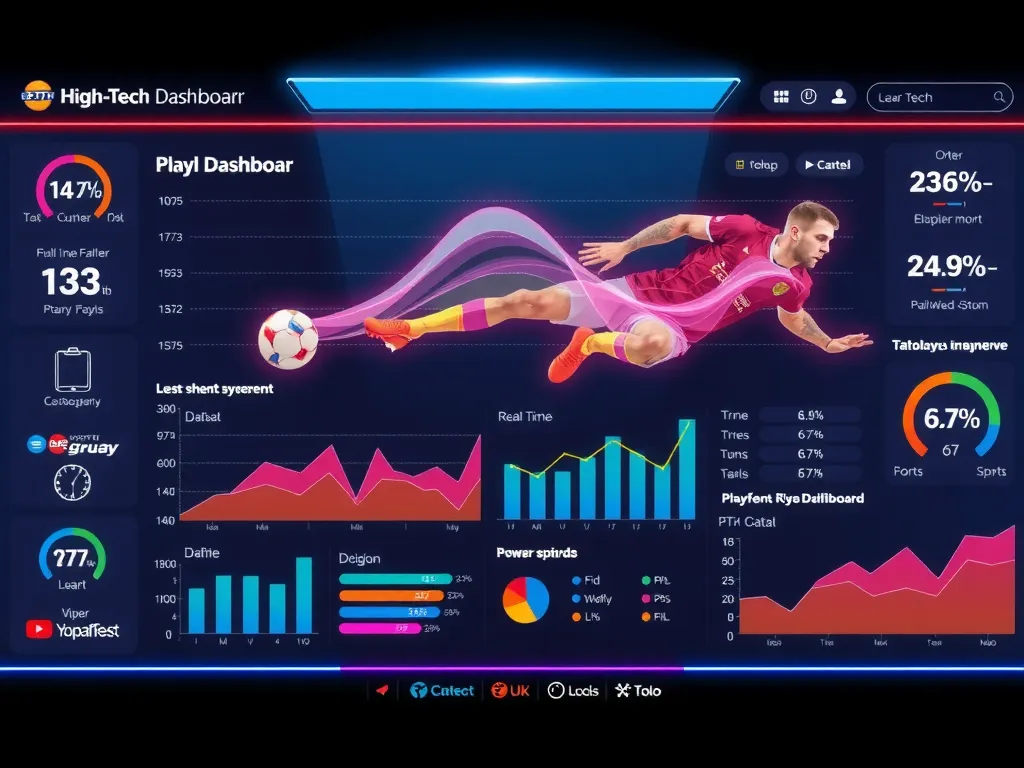 Decisions are increasingly data‑driven, with insights arriving quickly enough to matter.
This article surveys AI’s role in football and basketball—from player development to game strategy—plus workflow basics, practical examples, and the ethics that accompany them. We also outline how raw data becomes actionable insight and how teams can adopt tools today without losing the human intuition that keeps sport compelling. We consider the nuts and bolts, not just hype, and emphasize practical adoption steps.
Understanding AI Sports Analytics
AI sports analytics applies machine learning to the torrents of data produced in training and competition. Inputs include tracking coordinates, biometrics, ball flight, game context, and even social sentiment. A typical pipeline ingests, cleans, labels, models, and evaluates data before deploying outputs to coach‑facing tools. Done well, messy, high‑volume data becomes clear, timely recommendations. The goal is timely, trustworthy guidance, not dashboards for their own sake.
Importance of AI in Modern Sports
AI’s edge is speed and synthesis: it merges statistics, physiology, and context to reveal patterns traditional methods miss. It converts probabilities into plain language, highlighting the few factors likeliest to sway outcomes. Dashboards and broadcast graphics make insights usable. Beyond game day, repeatable processes for training, recruitment, and recovery compound advantages across a season.
AI in Football Analytics
Football has embraced AI to extract actionable insight.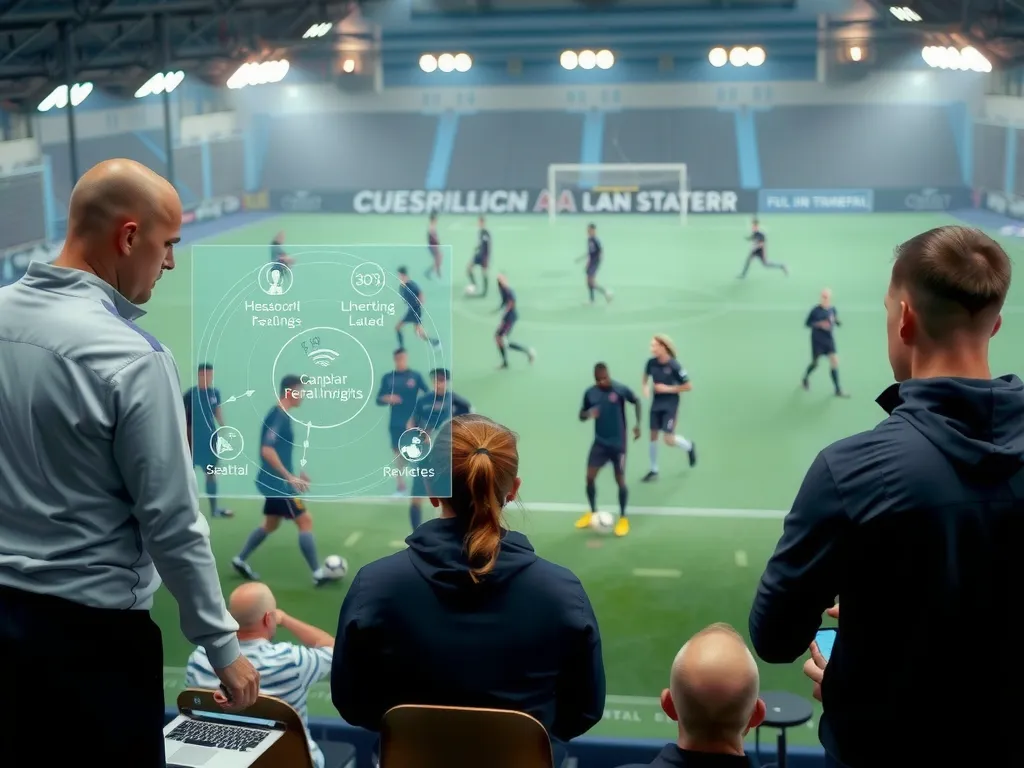 Models quantify pressing, risky buildup, off‑ball value, and set‑piece effectiveness; simulate marking schemes to cut expected goals conceded; and assess rest‑defense against counters. Off the pitch, algorithms optimize travel, recovery, and training microcycles to navigate congested schedules. Preseason modeling also stress‑tests tactical ideas against varied opponents and game states.
Player Performance and Recruitment
Recruitment and performance analysis start with models that profile strengths, weaknesses, and growth. Computer vision measures first touch, pressing triggers, and defensive orientation beyond highlight reels. Similarity search projects system fit and wage efficiency; injury‑risk, contract, and age‑curve models guide squad design. Academies use individualized plans tracking drills and position‑specific loads to speed development.
Strategic Insights
Strategy engines study opponents and recommend formations, roles, and in‑game adjustments. Reinforcement learning tests thousands of what‑ifs—how an early press affects fatigue, or how full‑back positioning shifts chance creation. Context—weather, pitch, referee, substitutions—shapes prompts such as when to refresh midfield or move to a back three. Explainability preserves coach judgment.
AI in Basketball Analytics
Basketball’s pace and possession volume suit AI. Models learn how shot quality, spacing, and tempo interact; evaluate lineups by synergy; and estimate how a rim‑runner, shooters, and switchable wings change expected points. Talent identification spans college, international, and development leagues, surfacing overlooked players whose movement and decisions fit a target style.
In-Game Decision Making
Coaches receive live readouts on fatigue and lineup effectiveness to time substitutions and exploit weaknesses.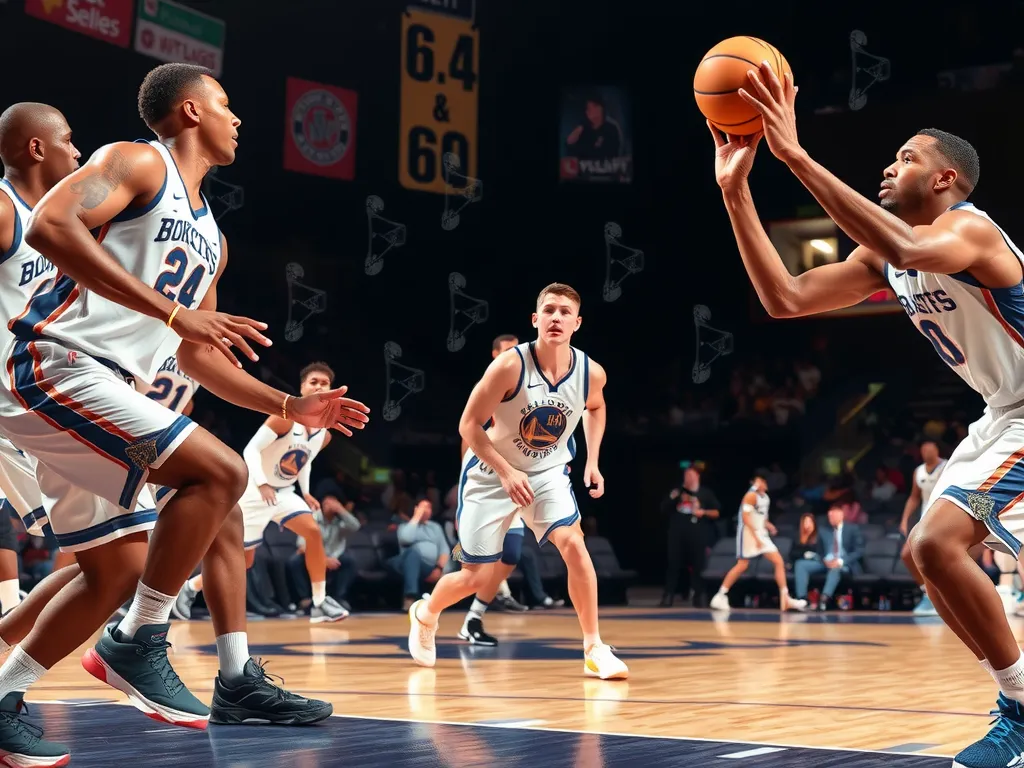 Models evaluate pick‑and‑roll coverages, adapt switching rules by matchup, and project foul‑trouble risk to tune aggression. Win‑probabilities inform timeouts and challenges. Force‑plate and wellness data guide minutes so closing lineups are fresh. Bench tablets surface the two or three matchups most worth attacking next.
Augmented Reality (AR) Enhancements
AI plus augmented reality deepens engagement.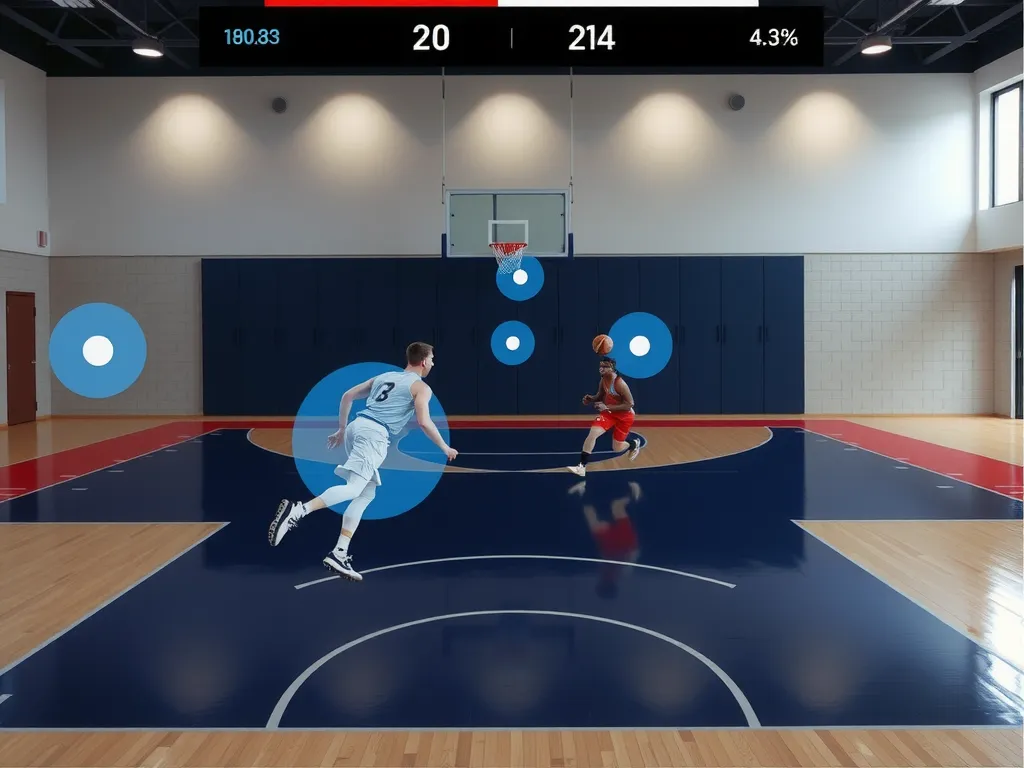 Real‑time overlays show shot charts, drive lanes, and predicted assist paths, turning complex metrics into intuitive visuals in‑arena or at home. Broadcasters render volumetric replays highlighting passing windows or rotations, while personalized layers follow favorite players. Teams test AR tunnels that mix performance cues with entertainment while respecting privacy.
Driving Technologies in AI Analytics
Effectiveness comes from computer vision, pose estimation, and graph models paired with cloud and edge computing for low‑latency inference. 5G carries high‑bandwidth video. MLOps—data versioning, drift monitoring, and automated retraining—keeps models reliable. Language models now translate complex outputs into coach‑ready notes and broadcast scripts, closing the gap between data and decisions.
Machine Learning and Predictive Models
Learning systems forecast outcomes and recommend strategies: injury likelihood, card risk, win chances, and possession value. Shot‑quality and expected‑possession models quantify payoffs; sequence models find patterns that precede high‑value chances. Bayesian and ensemble methods calibrate probabilities, while explainability tools show why recommendations emerge—delivering not just numbers but narratives. Crucially, uncertainty estimates flag when to trust the math—or lean on experience.
Case Studies of AI in Action
Across leagues, AI now anchors analytics toolkits. In European football, clubs rebuilt set‑piece playbooks after models exposed overlooked routines, adding goals without major transfers. Others stagger training intensity using tracking‑based workload metrics to reduce soft‑tissue injuries. In basketball, lineup optimization uncovers niche rotations—pressing small units or massive rebounding groups—that reliably swing momentum.
European Football Clubs
Top European clubs refine preparation and training via AI, using workload measures to prevent injuries and sustain performance. Recruitment merges scouting intuition with model‑driven shortlists emphasizing style fit. Mid‑table sides exploit market inefficiencies—buy undervalued contributors, sell at peak, reinvest. Women’s teams and academies gain tailored plans, while logistics models minimize travel fatigue before decisive fixtures.
Impact on Player Development and Strategy
AI sharpens development and strategy. Pose‑based feedback adjusts shooting mechanics, passing angles, and sprint posture; micro‑learning clips deliver targeted corrections; VR rehearses late‑game scenarios. Strategically, teams align recruitment, training, and tactics within a unified model of play so metrics optimized in practice translate directly to match‑day execution. Feedback cycles shorten as sensors and video link practice to outcomes overnight.
Future Trends in AI Sports Analytics
Next comes deeper training integration, richer broadcasts, and broader engagement. Multimodal models will fuse video, tracking, audio, and text for context‑aware insight. Digital twins will let staffs test strategies in simulated seasons. Generative AI will design practice plans, opponent‑specific drills, and personalized content. Privacy‑preserving methods—federated learning, on‑device inference—will unlock sensitive data without exposing individuals.
Ethical Considerations and Challenges
Benefits carry risks: privacy, bias, and overreliance. Consent is essential—especially for minors—and health data must serve care, not contract leverage. Bias creeps in when scouting data overrepresents certain leagues or styles; audits and diverse training data help counter it. Players and coaches should be able to contest outputs, while governance, retention limits, and secure practices protect integrity and rights.
Conclusion
AI is reshaping how football and basketball strategize and compete, creating more engaging experiences. Success requires ethics, strong data foundations, coach education, and clear communication. The winners will pair rigorous methods with the human instincts that make sport compelling.
The future is bright. Teams that start small—answer one or two high‑impact questions, measure results, iterate—will build durable edges. Fans will enjoy deeper storytelling, smarter broadcasts, and immersive experiences that reveal new nuances.
Leave a Reply