
Discovering the Impact of Instant Sports Analytics with AI
In the intense arena of competitive sports, split-second choices can decide the winner. Instant sports analytics powered by AI is changing how teams plan and compete. This article dives into how AI-driven insights are turning live sports into dynamic, strategy-filled settings.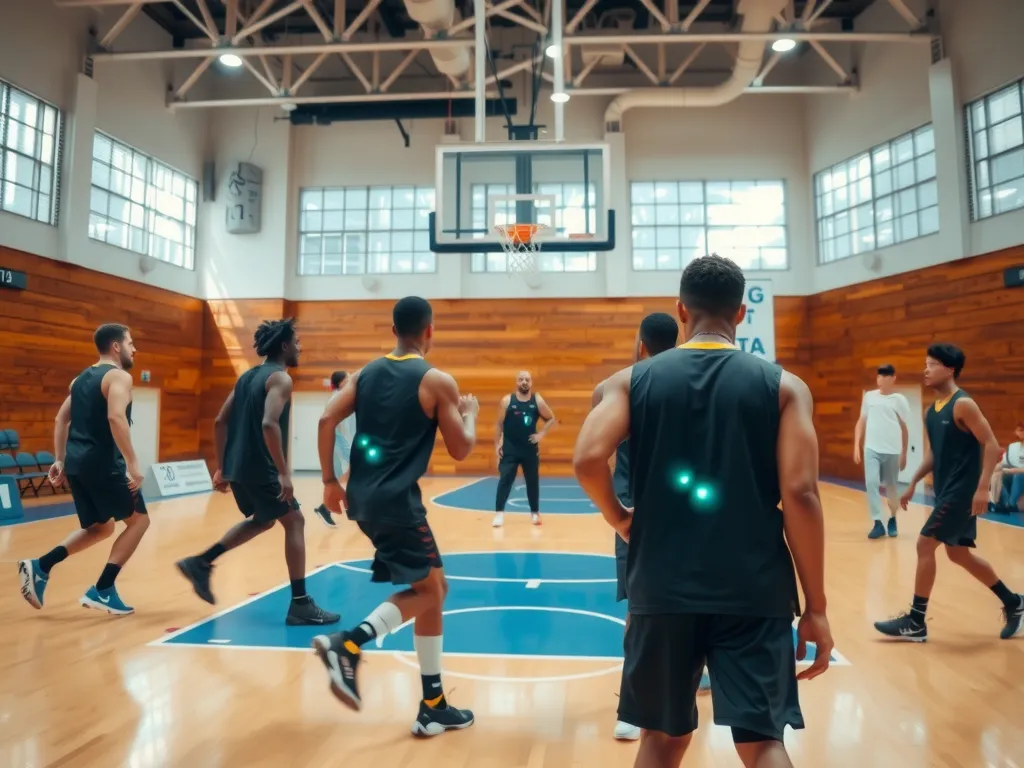 Unlike traditional postgame reports that inform the next training cycle, instant analytics compresses observation, interpretation, and action into the flow of competition. Video feeds, wearable sensors, and historical context are fused in real time so staff can see not just what is happening, but why it matters and what is likely to happen next. From professional leagues to collegiate programs and emerging eSports, the ability to convert live data into decisive moves is reshaping preparation, in-game management, and even fan understanding of the sport.
AI’s Influence in Instant Sports Analytics
Artificial Intelligence now plays a central role in today’s sports through advanced data gathering and analysis. With machine learning algorithms and neural networks, teams get detailed, real-time insights into player performance, tactics, and game flow. These systems handle vast datasets quickly, giving coaches timely, evidence-based options during play. Models may estimate metrics like expected goals, expected possession value, or win probability while simultaneously classifying formations, recognizing set plays, and highlighting mismatches. Reinforcement learning can simulate likely outcomes of substitutions or tactical shifts before a decision is made, surfacing the highest-utility choice under the current constraints. Natural language layers convert complex outputs into concise cues on a tablet or headset, and uncertainty ranges help staff judge confidence levels. The result is a shared, data-informed picture that keeps players, coaches, and analysts aligned in fast-moving moments.
Advantages of Instant Sports Analytics
A key benefit of instant sports analytics is the ability to adapt tactics immediately. By examining live data, coaches can notice patterns and changes in opponents’ strategies and react swiftly. Instant analytics also aids injury prevention by tracking player movements and fatigue levels, which helps manage resources efficiently during a game. In practical terms, this can mean adjusting pressing intensity when indicators of cumulative load spike, swapping defensive matchups when a shooter’s heat map shifts, or calling timeouts when momentum and possession value models signal rising risk. Small, timely corrections—altering a screen angle, varying serve placement, or changing the point of attack—compound across a match. Over a season, those micro-decisions protect player health, maintain consistent performance, and convert narrow margins into measurable results on the scoreboard.
In a crucial football match, for instance, AI might identify a tactical gap that prompts a coach to make a game-changing substitution. Turning data into such actionable insight can provide a game-winning edge. Imagine the model detecting that the opposition fullback is overcommitting on overlaps during transitions; the system flags a high-probability through-ball corridor and recommends introducing a pacey winger who thrives in that zone. Within minutes, the team shifts shape, targets the channel, and converts a chance. A similar pattern arises in basketball when lineup data shows a rebounding deficit against a small-ball unit; analytics may advise a taller swingman and a specific coverage, quickly stabilizing the glass. In both cases, the value is not raw numbers alone, but the clarity and speed with which they steer confident, coordinated action.
Technological Tools Supporting Instant Analytics
Modern technology enables teams to capture and assess data as play progresses. Wearable sensors gather essential performance metrics, while platforms like Catapult and SAP Sports One present these insights in immediately usable ways. Together, they form the core of a data-driven strategy, keeping teams flexible and forward-thinking. Optical tracking systems extract player and ball trajectories from multiple cameras, RFID or ultra-wideband tags add precision indoors, and ball-embedded sensors unlock spin, speed, and contact profiles. Edge computing reduces latency by processing frames and telemetry inside the venue, then syncs with cloud services for deeper inference. Coaches engage through secure apps that distill the signal: red-amber-green risk states, personalized workload thresholds, and scenario suggestions. The best setups prioritize reliability, low latency, and simple visualizations so decisions can be made in seconds, not minutes.
Applying Instant Analytics on the Field
Successfully applying instant sports analytics requires a structured approach.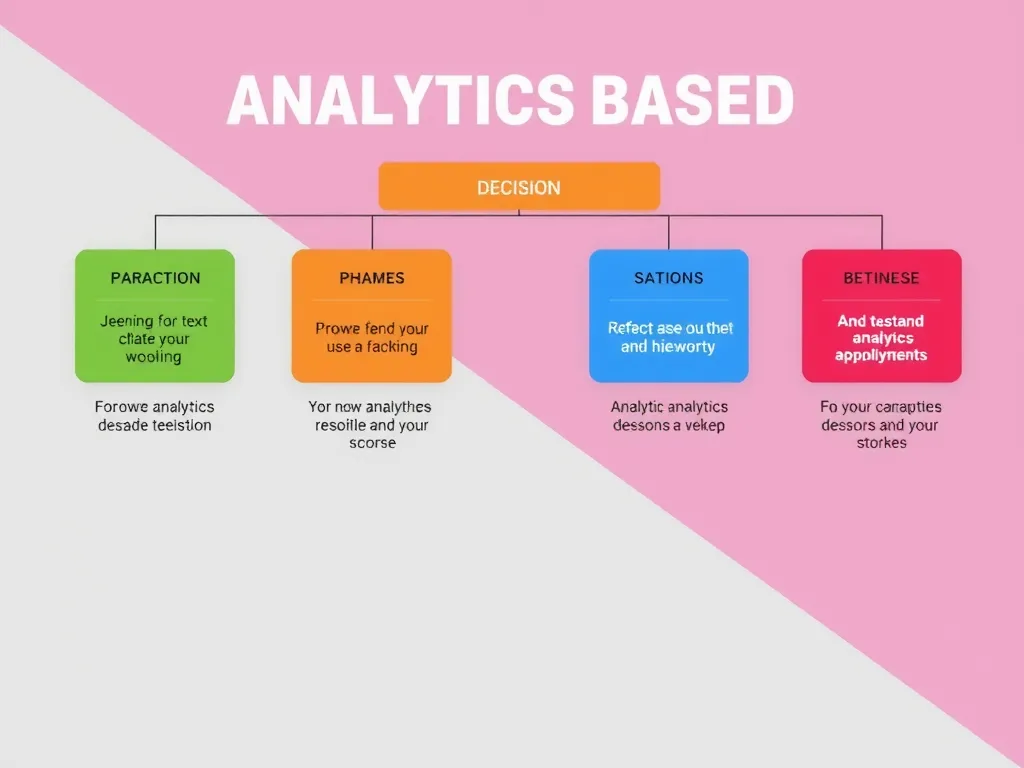 First, teams should adopt a culture of data-informed decision-making. Training staff on the specifics of analytics tools ensures that insights are understood and applied strategically. Clear operating rhythms help: pregame briefings align on priority metrics and thresholds; in-game huddles confirm roles for ingesting, interpreting, and communicating insights; and postgame reviews refine models and playbooks. Coaches and analysts can co-create “if–then” decision trees—if opponent presses high with three, then trigger outlet pattern X; if cumulative load exceeds a limit, rotate to lineup Y. Simulations of special situations—two-minute drills, penalty shootouts, last-serve pressure games—make the live analytics more intuitive. When the match tightens, the team is executing rehearsed, data-backed habits rather than improvising under stress.
Additionally, leadership should foster an environment where analytical insights enhance coaching intuition, creating a combined approach that boosts performance. That means encouraging questions about why the model recommends a choice, not just what it recommends, and inviting players to share on-field perspectives that refine the data story. Psychological safety matters: when staff can challenge assumptions, biases surface and accuracy improves. Small pilots—using analytics for specific substitutions or set pieces—build trust before scaling. Over time, organizations codify common language and metrics, reducing confusion and speeding decisions. The aim is not to replace experience but to amplify it, letting seasoned judgment and real-time evidence converge into confident, repeatable actions that players can rally behind.
Obstacles and Solutions in Instant Analytics
Navigating instant analytics is not without hurdles. Chief among them is data overload, where too much information can overwhelm decision-makers.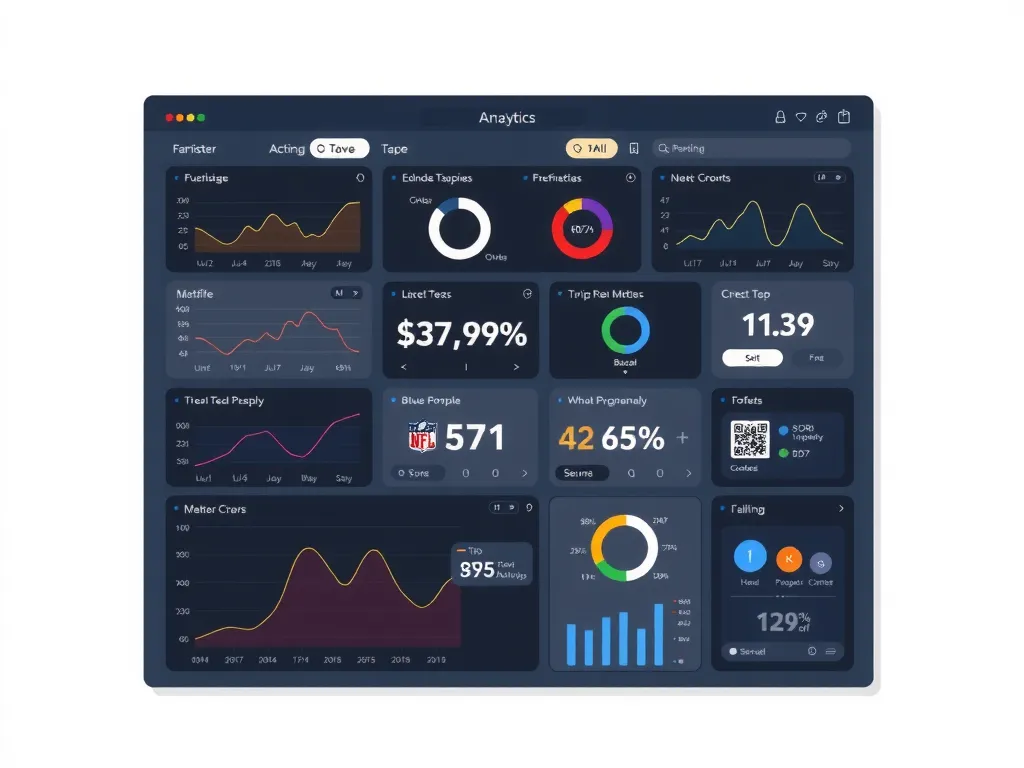 Establishing clear protocols for prioritizing data is crucial to using analytics effectively. Teams benefit from a lean, hierarchical dashboard: three primary indicators for rapid calls, secondary diagnostics for timeouts, and deeper layers for halftime. Latency and data quality also matter; faulty sensors or mis-tracked players erode trust. To mitigate, organizations set validation checks, define failover rules to simpler heuristics, and designate a single source of truth so staff are not reconciling conflicting feeds midgame. Finally, resourcing is a practical constraint—licensing, staff, and infrastructure—so phasing deployments and measuring impact ensures that investments align with performance goals rather than novelty.
Moreover, balancing human intuition with AI-driven insights presents both a challenge and an opportunity. Maintaining ongoing dialogue between analytics experts and coaching staff helps align competitive strategies with the latest technological developments. Teams should guard against automation bias—accepting suggestions uncritically—and against reflexive skepticism that discards useful signals. Calibrating trust comes from iteration: compare recommendations with outcomes, document why a call was followed or ignored, and feed that context back into models and playbooks. Postgame debriefs that blend clips, metrics, and player feedback make the numbers tangible and keep learning continuous. In the long run, the healthiest systems cultivate adaptable decision-makers who can read the game, read the data, and choose boldly when the moment arrives.
Conclusion
The future of sports competition is closely linked to progress in instant analytics and AI. By adopting these tools, teams globally can gain deeper insights into game dynamics and player performance, paving the way for remarkable achievements. As the technology matures, workflows become smoother, and the balance between data and instinct improves. Youth academies and collegiate programs are already inheriting methods perfected at the professional level, accelerating development and reducing preventable injuries. The net effect is a more informed, resilient form of competition where preparation meets opportunity in the decisive seconds that define championships.
As AI continues to advance, its use in sports will grow, further enhancing how teams play, plan, and connect with both the game and its fans. Expect richer context from multimodal models that unite video, audio, and biometric data; more personalized player feedback delivered in simple language; and immersive fan experiences that translate complex strategy into accessible stories. The organizations that invest in people, process, and responsible data practices today will be best positioned to turn instant insight into lasting advantage tomorrow, keeping the spirit of sport—creativity, courage, and collective effort—at the center of every decision.
Leave a Reply