






A Comprehensive Guide to AI-Powered Fan Engagement Strategies in Sports


A Complete Guide to AI-Enhanced Fan Engagement Tactics in Sports
In sports, keeping fans loyal and interested is crucial. With advancements in artificial intelligence, teams have new ways to connect more deeply with their audiences. This article explores how AI is changing fan engagement and offers strategies franchises can use to boost audience interaction. Beyond novelty, the goal is to build meaningful, consistent touchpoints before, during, and after games. As attention becomes fragmented across platforms, AI helps teams cut through noise, deliver relevance at scale, and convert casual followers into lifelong advocates.
Grasping AI in Sports Fan Engagement
Artificial intelligence now influences many areas of sports, from performance analysis to sports health. Its role in engaging fans is particularly exciting: it allows for tailored experiences, improves content delivery, and provides valuable insights into fan behavior. But what does AI-driven fan engagement actually look like? In practice, it means using data to anticipate what each fan wants to see next, automating routine interactions so staff can focus on higher-value moments, and measuring what truly moves the needle on loyalty. When implemented responsibly, AI turns scattered signals into clear guidance for creating memorable experiences.
Tailored Fan Experiences
Personalization is a key feature of AI-driven engagement. Algorithms analyze signals from social media interactions, purchase history, and onsite behavior to customize experiences for each fan. This method enhances both involvement and loyalty. For example, a family with young children might receive recommendations for early start times, kid-friendly concessions, and mascot meet‑and‑greets, while a season-ticket holder who values tactics gets deep-dive pregame analysis and long-form content. AI can also adjust offers based on context—surface parking discounts on rainy days, merchandise bundles after a player milestone, or multilingual content for international supporters. The result is not just more content, but the right content at the right moment.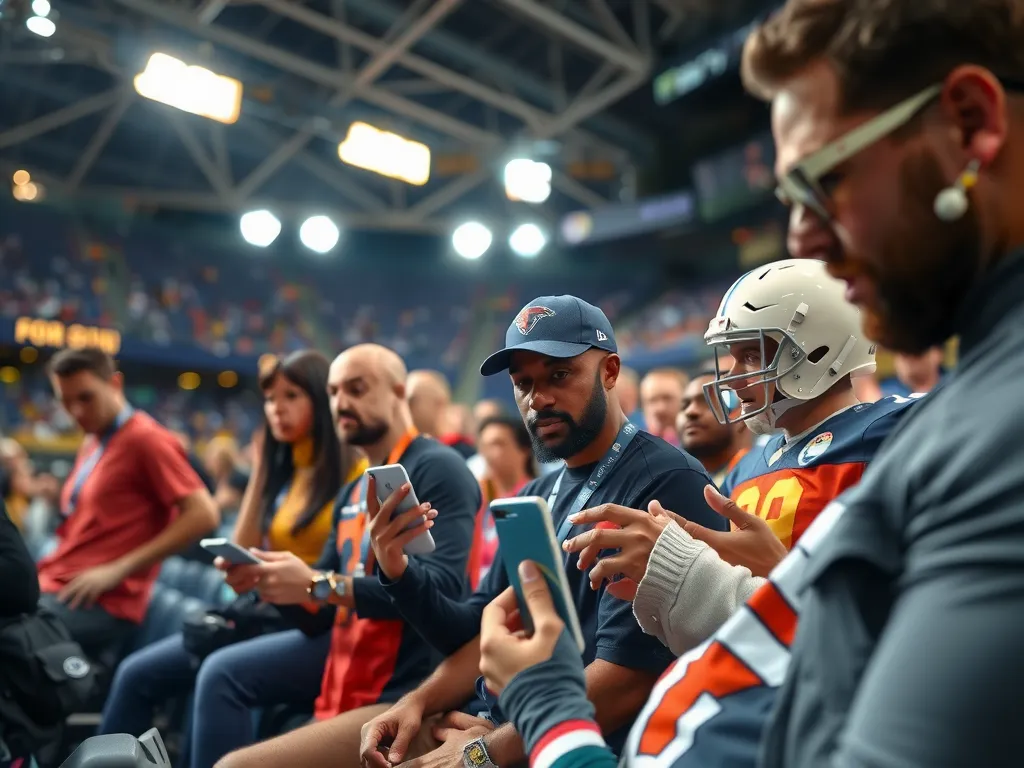
Improving Content Delivery
AI helps provide content in real time, whether it’s highlights from last night’s game or updates about favorite players. When customized, fans receive timely, relevant content that significantly boosts engagement. Recommendation engines can sequence short clips into a narrative, prioritize updates for push notifications, and even summarize long postgame shows into snackable formats for mobile viewing. Translation and captioning models make content more accessible, while sentiment analysis guides tone and timing. Crucially, orchestration systems coordinate delivery across email, apps, social, and in-stadium screens so messages do not overwhelm fans but instead complement one another.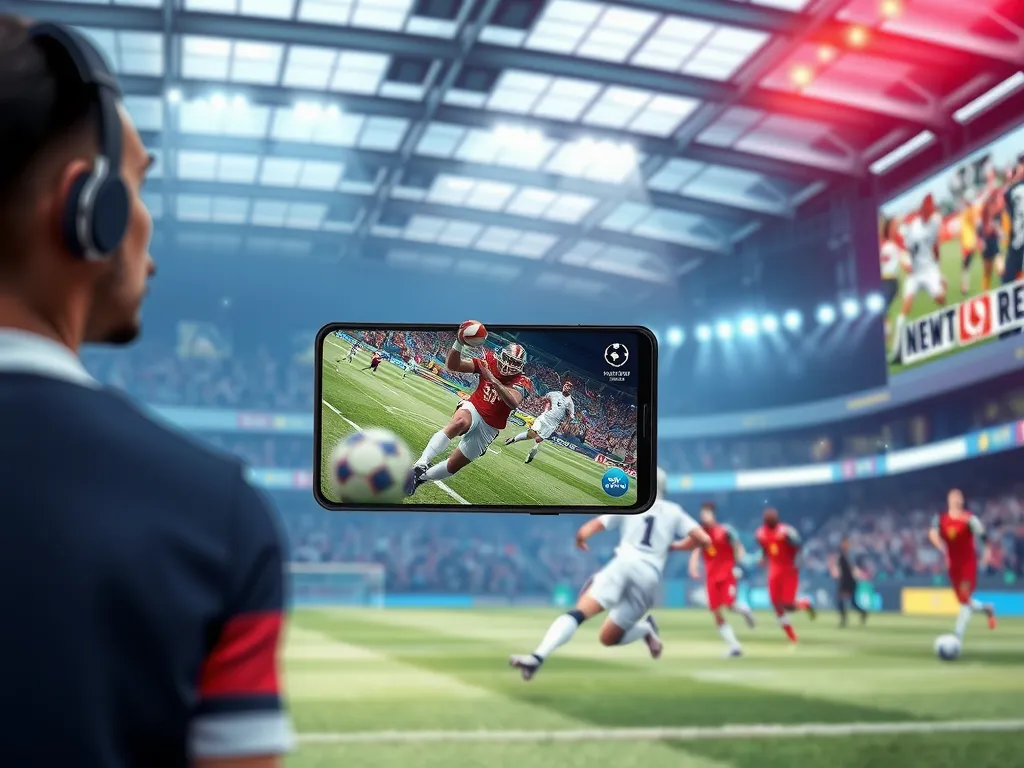
Applying AI-Powered Fan Engagement Tactics
Integrating AI into fan engagement combines technology, creativity, and data analysis. Below are ways teams can use it effectively: start with clear objectives, map available data sources, and run small pilots to validate assumptions before scaling. Treat AI as an assistant that augments human decision-making, not a replacement for the club’s voice and values.
- Use AI-driven analytics to understand fan behavior and preferences. Go beyond simple demographics by clustering audiences into intent-based segments—such as “gamers,” “family day out,” or “analytics enthusiasts”—and track how each responds to content, offers, and ticketing prompts over time.
-
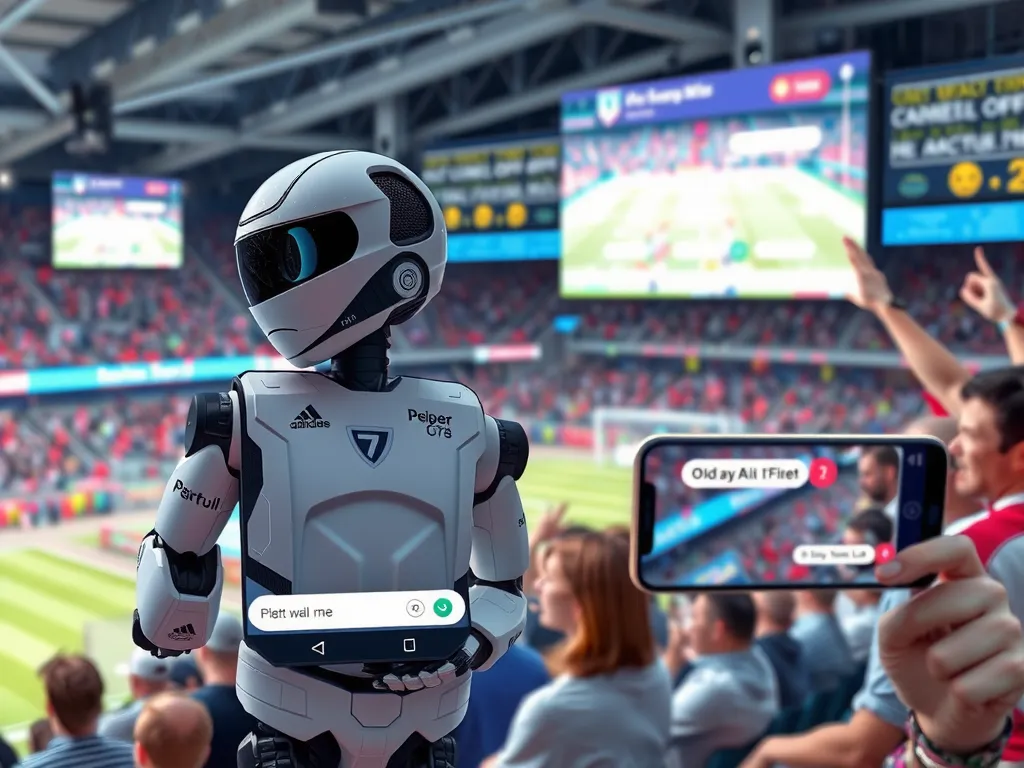
Deploy chatbots for 24/7 interaction and support. Well-designed assistants answer FAQs, manage basic ticketing tasks, and escalate complex issues to humans. They can also proactively share lineup changes, weather alerts, and venue reminders to improve the live-event experience.
-
Create virtual and augmented reality experiences that bring fans closer to the action. AI can personalize camera angles, replays, and commentary, while adjusting difficulty and pacing for interactive games that keep fans engaged between live events.
- Build AI-based tools for social media analysis to spot trends and engage proactively. Monitor emerging storylines, identify community leaders, and tailor campaign creative in near real time, ensuring the club’s voice stays relevant without sounding repetitive.
AI-Driven Analytics
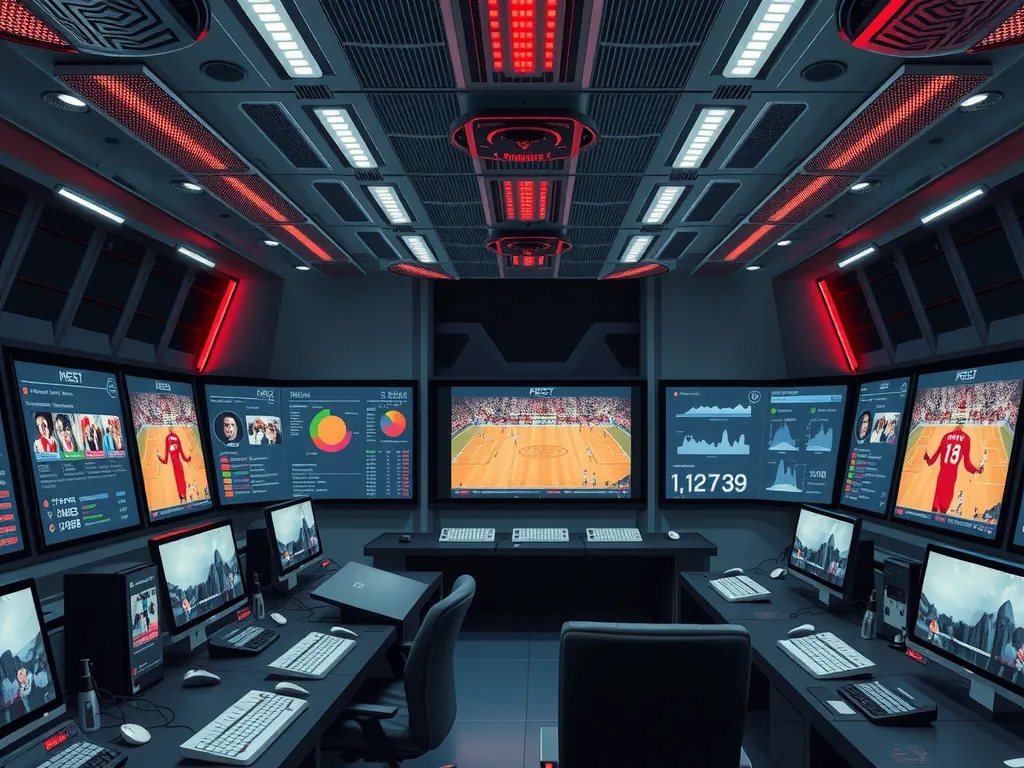
AI-powered analytics can process large amounts of data quickly, helping teams understand what fans want. With these insights, organizations can make informed decisions about marketing, content delivery, and engagement methods that resonate most with their audience. Practical metrics include open and click rates, video completion, average session duration, conversion to ticket sales or subscriptions, and satisfaction scores after service interactions. Prediction models estimate churn risk or propensity to purchase, enabling targeted save actions or personalized bundles. Present these insights through clear dashboards and weekly reviews so that content, ticketing, and operations teams can act in concert.

Examples: AI in Action
Many sports teams and organizations are already using AI-powered fan engagement: clubs employ personalization engines in their apps, leagues optimize highlight distribution, and venues refine crowd flows and concession staffing based on live demand. The common thread is a focus on timely, relevant interactions that respect fan preferences while making every touchpoint easier and more delightful.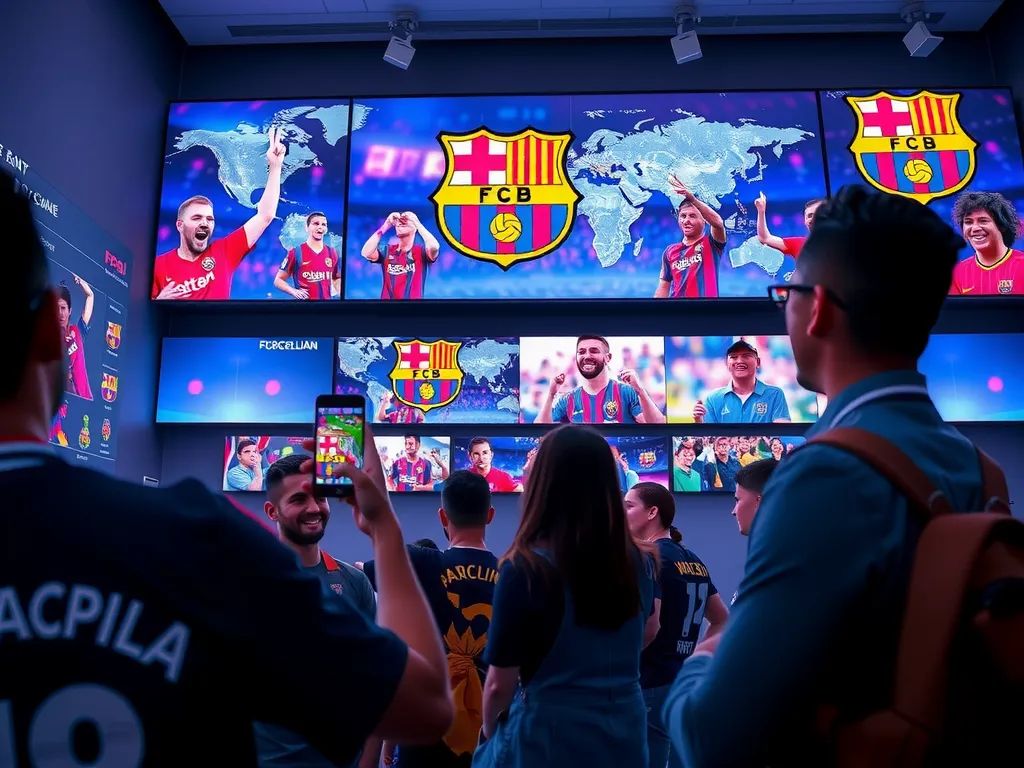

FC Barcelona
FC Barcelona uses AI to enhance fan experiences through personalized content and quicker service response times. Its AI-enabled chatbot offers real-time help to fans worldwide, significantly boosting engagement. Personalized notifications surface match previews for favorite players, and dynamic content on official channels adapts to language and time zone, making global supporters feel closer to the club. While technology drives the recommendations, the storytelling still reflects the club’s identity, ensuring that automation strengthens rather than dilutes the brand.
NBA’s AI Innovations
The NBA has utilized AI to create personalized highlight reels for fans. By analyzing viewer preferences, the league delivers custom highlight packages so each fan can relive favorite moments tailored to their tastes. Fans who favor defense might see blocks and steals prioritized, while others get buzzer-beaters and long-range threes. Coupled with mobile alerts and second-screen features, these tailored recaps help supporters stay connected even when they cannot watch full games, and encourage deeper engagement when live events return.
Challenges and Considerations in AI Use
While the potential of AI is vast, using it comes with challenges. Data privacy concerns, the need for substantial investment in technology and infrastructure, and maintaining the human touch in AI interactions are key considerations for sports organizations. Teams must also address data quality, aligning sources from ticketing, retail, digital platforms, and broadcast partners. Bias in models can unintentionally skew offers or visibility; regular audits and inclusive design reviews help keep systems fair. Finally, clear measurement—tying AI initiatives to revenue, satisfaction, or retention—ensures that investments deliver tangible value.
Protecting Data Privacy
Because AI relies heavily on data, protecting fan privacy is critical. Organizations need to comply with laws and regulations to build trust with their audience while using AI capabilities. Establish transparent consent flows, give fans easy controls over communication preferences, and practice data minimization so only necessary information is collected. Secure storage, encryption, and strict access policies reduce risk, while routine testing and third‑party assessments validate safeguards. When communicating about AI, use plain language and explain benefits, limits, and opt-out choices—clarity fosters confidence and long-term participation.
The Future of AI in Sports Fan Engagement
The outlook for AI-driven fan engagement is promising. As technology advances, opportunities for more immersive and interactive experiences will grow, with increasingly intuitive systems enabling deeper personalization and real-time engagement. Expect smarter assistants that understand context across devices, immersive viewing enhanced by augmented reality, and ticketing that flexes to demand while protecting loyal supporters. As models improve, they will better recognize fan intent—celebration, curiosity, or frustration—and adapt tone accordingly. Clubs that build responsible, explainable systems and pair them with strong creative will set the standard for fan-centered sports experiences.
In conclusion, AI offers a groundbreaking opportunity for teams looking to boost their fan engagement strategies. By harnessing its capabilities, sports organizations can deliver standout experiences that drive both engagement and loyalty. As the technology continues to evolve, staying ahead of the curve will be key to maintaining a competitive edge in the quickly changing sports landscape. Start small with a clear use case, measure outcomes rigorously, and scale what works—consistency and transparency will earn trust and long-term results.
To explore more articles on AI in sports, you can check our other articles like
The Future of AI-Powered Sports Analytics: Transforming Football and Basketball
and
Enhancing Sports Strategy with AI.
Together, these pieces outline how data, experimentation, and thoughtful design come together to create fan experiences that feel personal, respectful, and unforgettable.