






AI in Sports: Revolutionizing Real-Time Fan Engagement and Talent Discovery

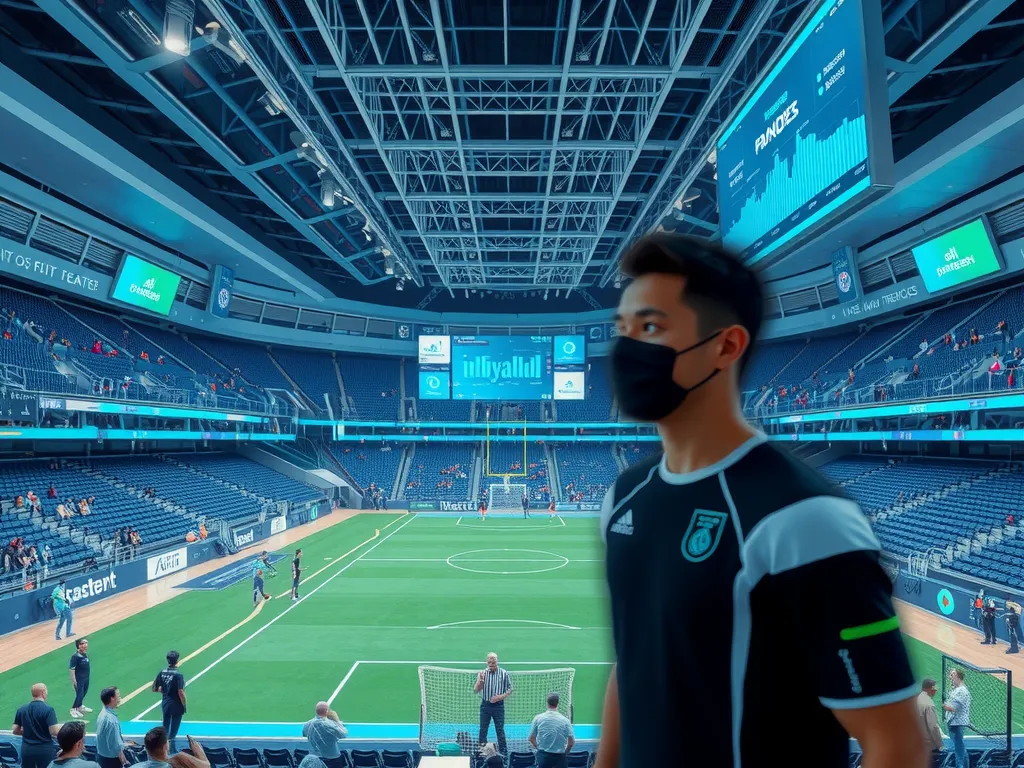
AI in Sports: Transforming Live Fan Interaction and Talent Discovery
In sports, artificial intelligence (AI) is quickly becoming central, reshaping how fans connect and how talent is discovered and developed. Its reach extends beyond performance analysis to automated content creation, ball‑tracking cameras, and recommendation engines that surface the right moments for each viewer. AI also supports officiating with decision aids, optimizes training logistics, and streamlines operations such as ticket pricing and venue staffing. Tasks that once required many specialists are increasingly coordinated by adaptive systems, delivering speed, consistency, and personalization across the sports ecosystem.
With AI’s capacity to process data quickly, organizations are finding new ways to involve fans and discover talent. Wearables, optical tracking, and broadcast feeds generate torrents of information that models convert into context‑rich insights. Clubs blend these signals with CRM records, app behavior, and concession data to learn what different segments value. The same analytical backbone powers scouting platforms that scan thousands of athletes across leagues. As tools grow accessible and modular, smaller organizations can experiment with off‑the‑shelf systems while preserving room for human intuition and local knowledge.
The Rise of AI-Enhanced Fan Interaction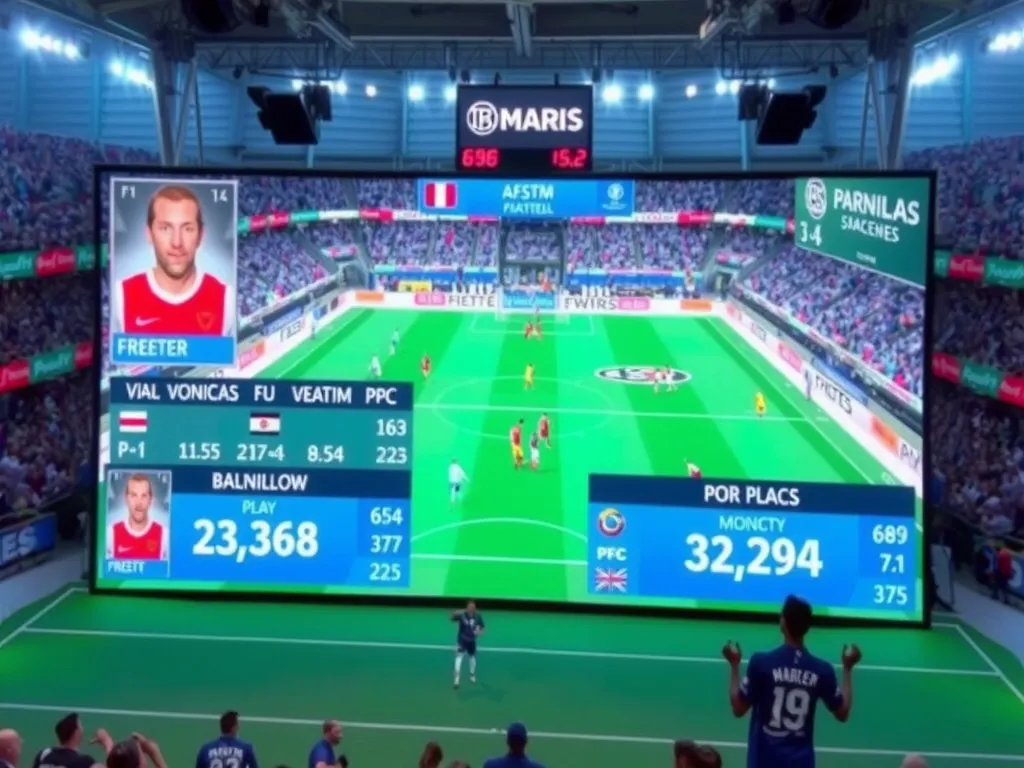
AI brings fans closer to the action through real‑time analytics that explain events as they unfold. On‑screen visualizations now show win probability, expected goals, shot quality, or serve‑placement tendencies, translating complex models into simple graphics. These layers help newcomers grasp strategy while giving veterans deeper context. Because insights are computed on the fly, broadcasters can spotlight micro‑moments—such as a subtle defensive shift or pitch sequencing—without slowing the broadcast. Over time, systems learn which explanations resonate, personalizing the experience without overwhelming viewers with jargon.
Interactive Digital Experiences: A New Chapter for Sports Fans
Interactive content is becoming a staple of broadcasts and streaming. Using AI, producers craft experiences that adjust to moments: second‑screen apps sync with live play to deliver bite‑size stats, trivia, and polls just as curiosity peaks. Natural‑language companions answer questions in real time—clarifying rules, comparing players, or explaining a coach’s challenge—so fans stay put. Voice and language models make coverage inclusive with multilingual commentary, auto‑captioning, and audio descriptions. These interactions form feedback loops that reveal what fans prefer, guiding editorial choices and smarter sponsorship activation.
AR and VR let fans view games from multiple angles, analyze plays instantly, and join prediction challenges—capabilities amplified by AI. Volumetric video and reconstructed 3D sequences put viewers inside key moments, replayed from a goalkeeper’s or point guard’s perspective. Personalization suggests replays tied to a favorite player or fantasy roster. Prediction features turn passive watching into friendly competition with digital rewards and loyalty perks. Thoughtful design can also spotlight educational or community challenges, keeping interactivity additive rather than distracting.
Case Studies: Successful Uses Across Sports Leagues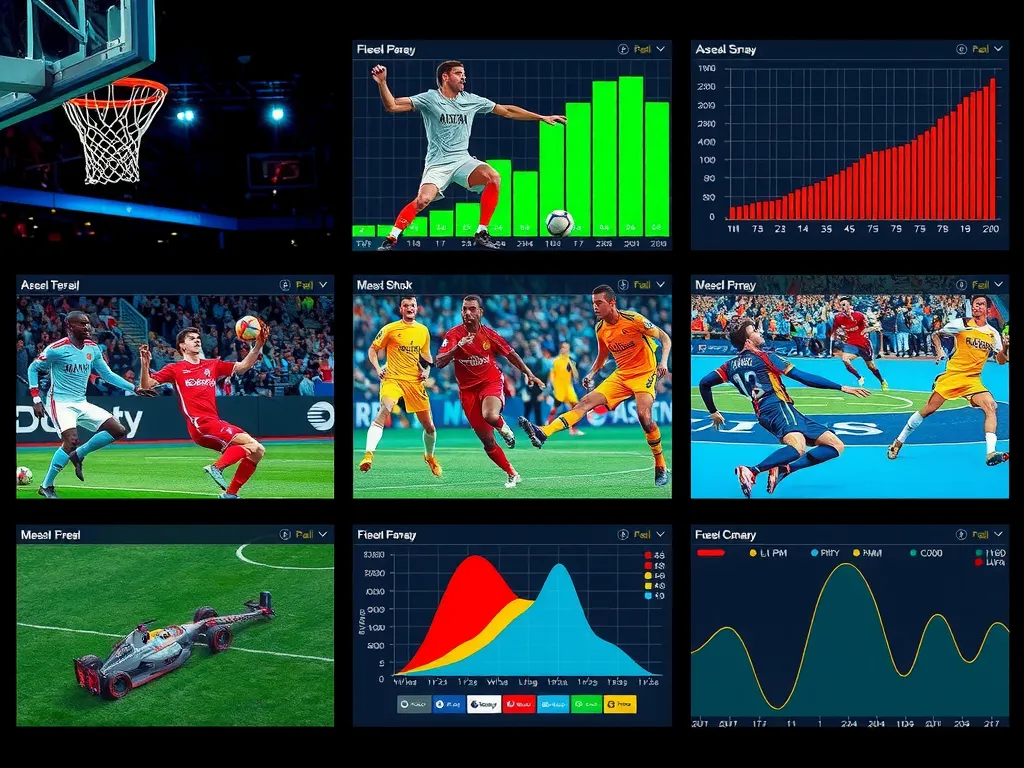
Major leagues deploy AI to enrich fan interaction. The NBA offers AI‑powered highlights fans can tailor, while MLB uses models for real‑time playback enhancements. Soccer broadcasts rely on automated framing and player tracking to produce compact highlight reels. Tennis generates instant shot charts, and motorsport blends telemetry with predictive pit‑stop modeling. Community and youth competitions adopt cloud tools to capture games and post standout clips to social channels—helping athletes build visibility and families relive moments. The benefits scale from global stages to local fields.
AI in Talent Search and Discovery
AI is reshaping talent identification and scouting. By analyzing statistics, physical traits, and even social signals, systems reveal prospects human scouts might overlook. Computer vision quantifies off‑ball work—pressing, spacing, recovery sprints—while clustering models group players by style rather than position. Scouts can search for role fits across leagues and age groups, surfacing under‑the‑radar candidates. For smaller clubs, shared data and modular tools provide leverage once reserved for richer organizations. The strongest programs pair algorithms with in‑person evaluation, recognizing that cultural fit, character, and adaptability remain essential factors numbers cannot fully capture.
How AI Finds and Develops Emerging Talent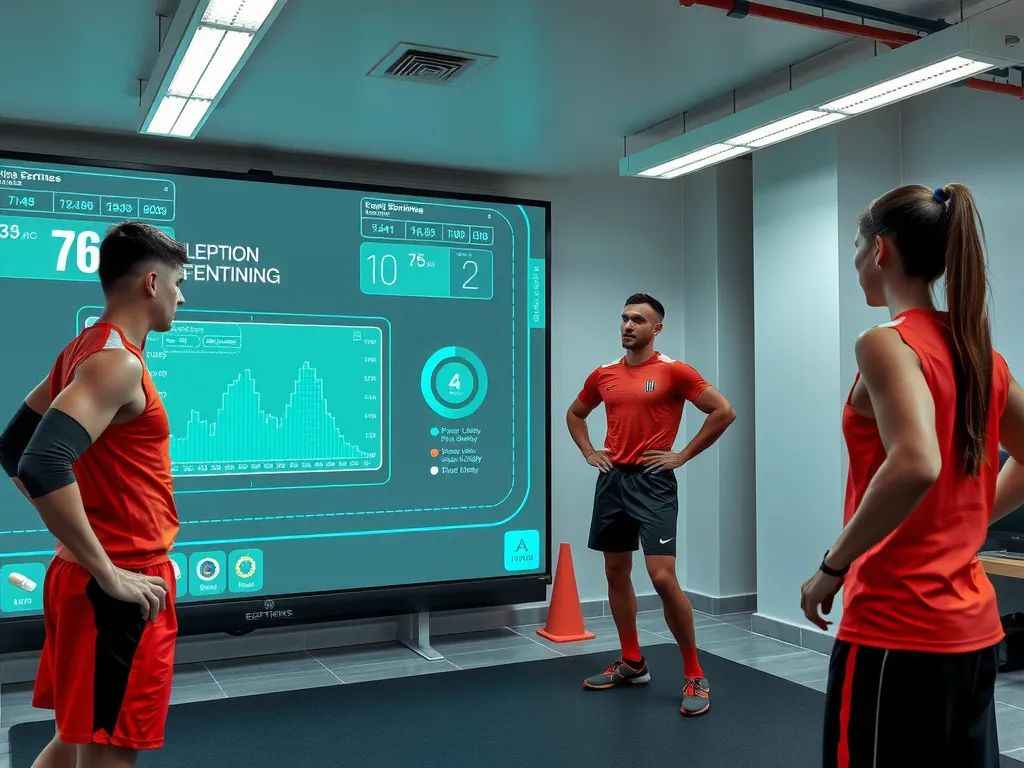
AI‑driven tools analyze video to spot standout patterns and estimate upside, guiding how teams invest in training and evaluation. Models infer biomechanical markers—stride length, joint angles, release timing—from footage to flag strengths and risks without intrusive hardware. Scenario simulators expose athletes to specific matchups or pitch mixes and recommend drills to close gaps. Coaches receive dashboards that turn suggestions into practice plans, sequence workloads intelligently, and adjust as athletes progress. With continuous data pipelines, projections update after every session, creating a living picture of development rather than a static report.
This approach also benefits experienced players whose careers can pivot with targeted insight. Models may flag athletes suited to role changes—a winger profiling as an attacking fullback, or a starter poised to excel as a late‑game specialist. Injury‑recovery programs compare movement signatures pre‑ and post‑injury, enabling tailored return‑to‑play plans and more objective readiness tracking. Veteran skill sets often defy simple labels, and AI can surface those subtleties in ways that complement a coach’s intuition. Treating outputs as hypotheses to test—not verdicts to obey—turns technology into a catalyst for reinvention.
Future Prospects: From College Recruiting to Professional Leagues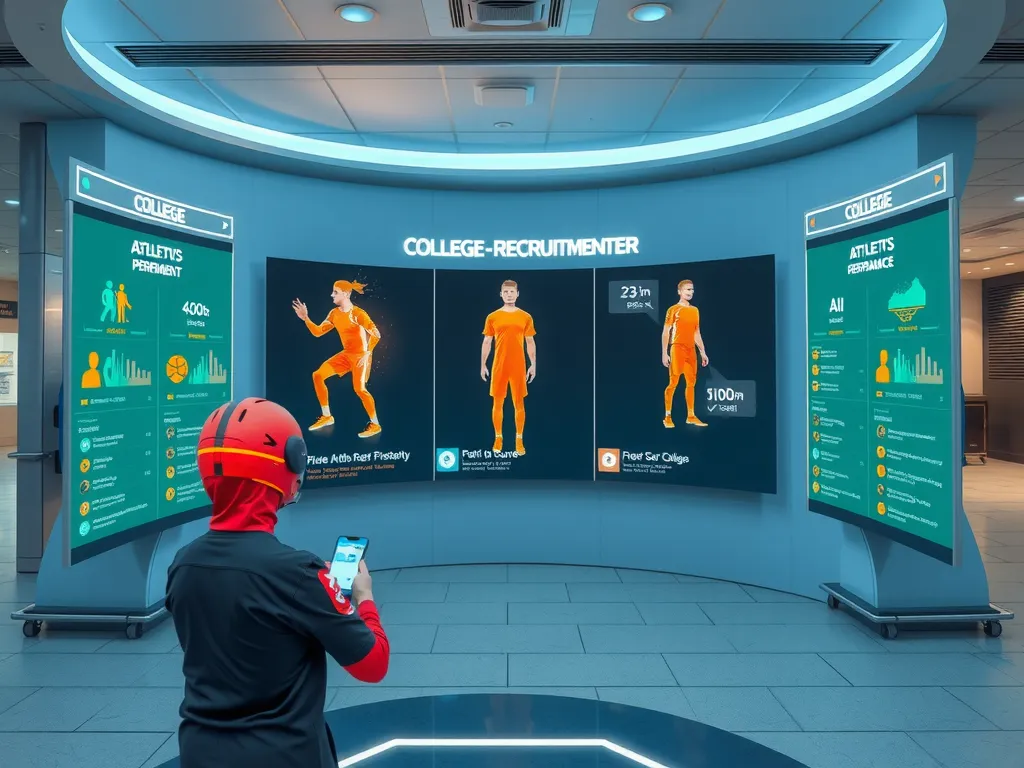
AI’s footprint in scouting is expanding. College programs adopt tools to identify and recruit athletes who meet performance thresholds, building rosters with a data‑driven lens. Remote showcases—where prospects upload standardized drills—reduce travel burdens and broaden opportunity, especially for athletes outside pipelines. Systems can flag academic alignment and well‑being indicators alongside athletic markers, encouraging holistic evaluation. As name, image, and likeness opportunities evolve, analytics help athletes and schools assess partnership fit and avoid misinformation. Clear policies on data collection, retention, and decision‑making are essential for earning trust from recruits and families.
In professional leagues, AI strengthens player development and planning. Predictive analytics forecast injury risk, performance dips, and recovery timelines; load‑management models weigh travel and schedule scenarios to balance short‑term wins with long‑term health. Front offices fold these forecasts into contracts, cap planning, and trades, aligning roster construction with probable performance ranges. On the field, real‑time assistants suggest tactical tweaks—pressing triggers, matchup shifts, pitch selection—grounded in history and live context. Medical and performance staff remain final arbiters; AI is decision support, not a substitute. Transparent communication typically drives stronger buy‑in and better outcomes.
Conclusion
AI is not merely altering the sports landscape; it is redefining it. By enabling live fan interaction and improving talent discovery and development, AI keeps sports aligned with digital‑age expectations. Leading organizations treat it as a cross‑functional capability—linking content, community, coaching, operations, and commerce—rather than a side project. They invest in data quality and interoperability so insights move seamlessly from practice facilities to production trucks and apps. They also prioritize accessibility and build guardrails around privacy, security, and fairness to preserve trust.
As these developments take root, they elevate fan experiences and open new avenues to success, signaling AI’s transformation of sports has only begun. The next phase will reward thoughtful experimentation: small pilots with clear goals, education for athletes and coaches to demystify tools, and feedback channels that let fans shape what gets built. Transparency about what models do well, where they’re uncertain, and how humans remain in the loop will keep innovation aligned with the spirit of sport. When technology amplifies the drama and humanity already on the field, it earns its place.