






Using AI in Basketball: Revolutionizing Training, Strategy, and Fan Engagement


AI in Basketball: Transforming Training, Strategy, and Fan Engagement
Artificial Intelligence (AI) is changing industries around the globe, and basketball is part of this change. The sport is experiencing a technology-driven transformation as AI boosts training, sharpens strategic planning, and changes fan involvement. This article explores AI’s current role in basketball and the possibilities ahead. With computer vision tracking each movement, wearable sensors turning effort into measurable data, and advanced algorithms converting vast datasets into useful guidance, AI enhances what makes basketball special rather than replacing it. It helps coaches teach with accuracy and brings fans closer to the game they love.
AI in Basketball Training: Methods and Benefits
Effective training is at the core of every successful team, and AI is raising it with powerful tools. AI-based virtual coaching tailors basketball workouts and adjusts in real time to fatigue, shooting rhythm, and skill development. Instead of standard drills, players receive dynamic sessions designed for specific, measurable improvements. This shift moves development from trial-and-error to clearly data-driven growth.
-
Performance Insights:
AI systems analyze complex datasets to identify player strengths and weaknesses, enabling personalized training plans. Shot-tracking models highlight early deviations in shooting form, such as release timing, and movement analysis emphasizes optimal positioning for offensive strategies. Coaches use these insights to refine technique and boost overall team performance. -
Injury Prevention:
Advanced algorithms evaluate biomechanics and historical performance to predict injury risks and support proactive prevention. By monitoring asymmetries and workload spikes, AI suggests adjustments that help avoid common injuries. This evidence-based approach supports smarter scheduling and long-term athlete health, reducing downtime and maximizing player availability.
Incorporating AI-driven feedback builds player confidence as new habits prove effective, leading to sharper skills and better decision-making. Combined with mental drills, these tools create a comprehensive program that prepares athletes physically and mentally for competition.
Enhanced Game Strategy with AI: A Winning Formula
AI is changing game planning by providing coaches and analysts with sophisticated tools to study opponents and optimize tactics. Advanced models automatically cluster and label gameplay actions, quantify successful strategies, and align them with team strengths. This data-driven approach replaces guesswork with strategic precision.
-
Game Plan Predictive Analysis:
AI systems use historical data to forecast opponent behaviors, enabling effective counter-strategies. Teams can anticipate offensive plays and defensive setups, then tailor responses to exploit weaknesses. This predictive insight provides a decisive edge in preparation and execution. -
Real-Time Adjustments:
AI-powered systems deliver live analytics during games, helping coaches make tactical changes that can shift momentum. Bench-side tablets provide instant feedback on lineup performance and suggest informed substitutions, strengthening in-game strategy and conserving vital resources.
These insights offer a competitive advantage in today’s high-stakes setting, allowing coaches to focus on execution and motivation. AI supports preparation without limiting creativity, grounding new ideas in data-backed evidence.
AI and Fan Engagement: Transforming the Spectator Experience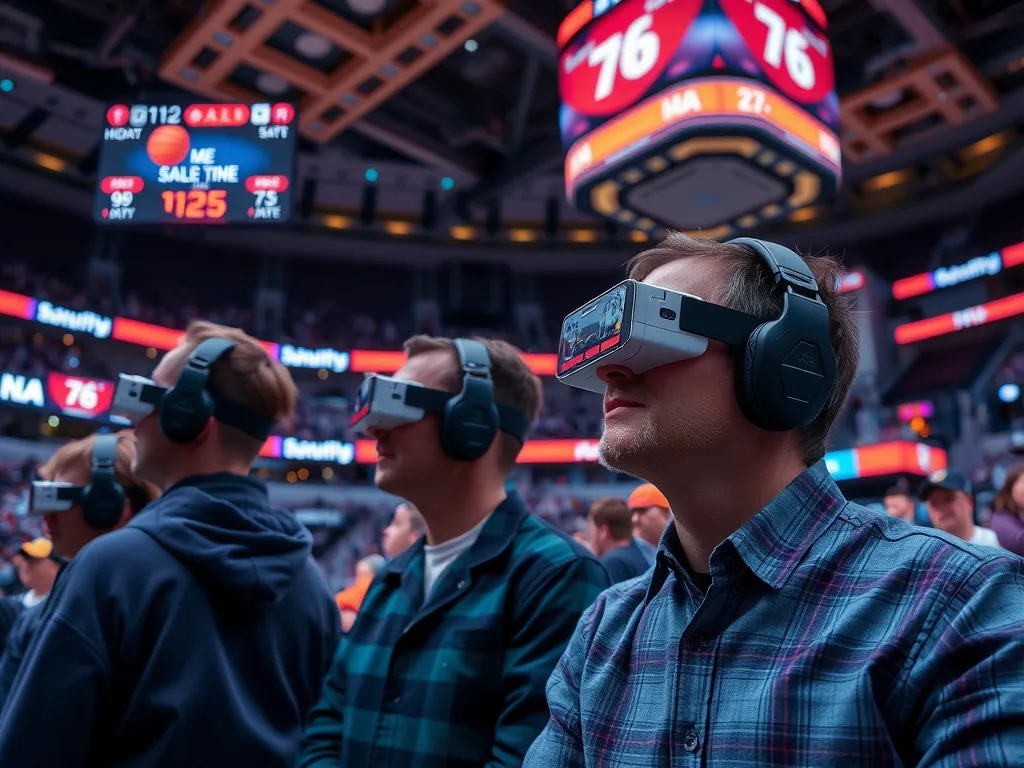
Beyond the court, AI is redefining the fan experience with interactive, personalized content. AI-powered platforms deliver tailored highlights and real-time statistics, making each viewing session unique and engaging. With language accessibility and smart notifications, global audiences stay connected whether watching live or catching up on key moments.
-
Custom Experiences:
Through AI-driven apps, fans receive personalized player stats and interactive real-time highlights. Fantasy league enthusiasts gain insights into player performance and injury reports contextualized by projected stats. Conversational AI deepens interaction by answering questions and surfacing richer stories. -
Augmented Reality (AR):
AR technology enhances live viewing with immersive overlays and interactive challenges. In-arena experiences bring fans into the action with real-time statistics and interactive elements, sustaining engagement both at home and in the stadium.
AI-enabled personalization strengthens fan loyalty and broadens viewership by offering accessible, enriched content for diverse audiences. The same technology also supports community engagement and customer relations.
Case Studies: Successful AI Adoption in Basketball Teams
AI adoption in basketball teams has produced real gains in performance and strategy. Leading NBA franchises use AI for advanced game analysis, extracting strategic insights that enhance competitive advantages. College programs apply AI workload models to optimize practice schedules and reduce player fatigue. Youth academies use cost-effective camera systems to monitor development, enabling coaches to showcase progress to key stakeholders.
These examples highlight AI’s practicality and effectiveness in achieving real-world results. Teams set clear objectives, gather clean data, and build efficient workflows so insights reach decision-makers quickly. Coaches treat AI as a collaborative tool, improving their ability to refine and scale training and strategic innovations.
Future Prospects: What’s Next for AI in Basketball?
The future of AI in basketball is promising, with advances on the horizon in automated officiating and AI-driven fan engagement. Enhanced computer vision could improve the accuracy of goaltending and boundary calls, while faster, more consistent referee decisions support fairer play.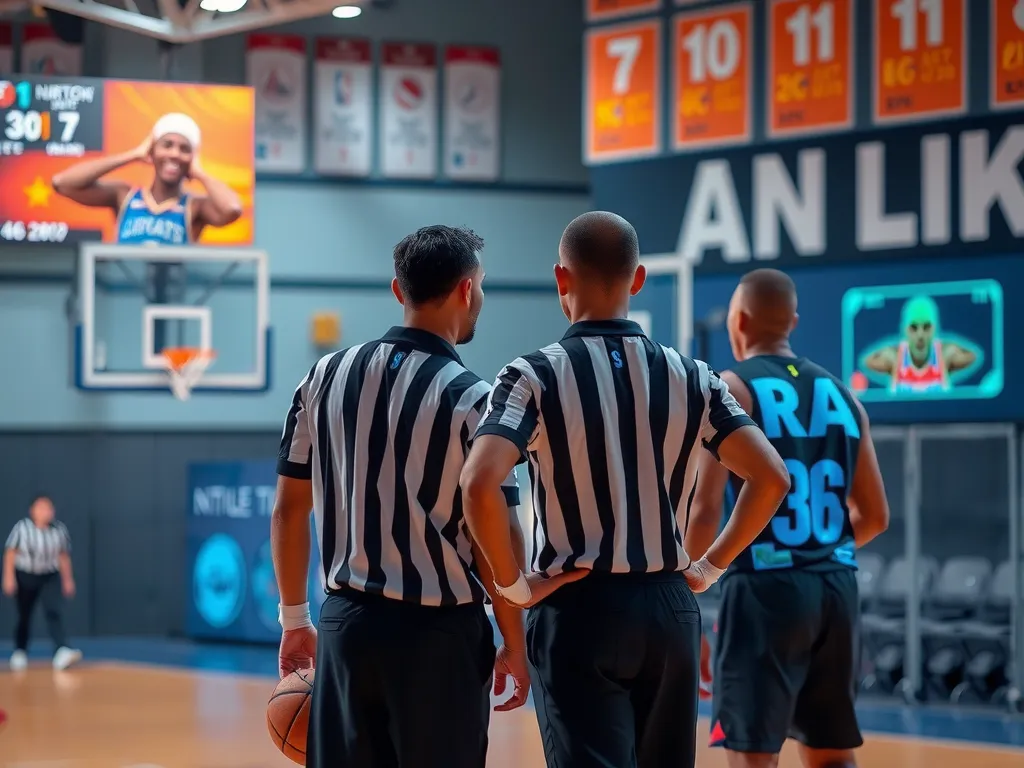 In player development, digital twin simulations may illustrate a prospect’s potential across different systems, informing draft strategies. Generative AI could streamline the creation of coaching and scouting resources, giving personnel more time for strategic planning.
AI’s progress in basketball also requires attention to ethics, including data privacy, model bias, and player welfare. Leagues and player associations will help shape data ownership policies and integration guidelines, ensuring benefits are realized without compromising the sport’s core values.
Conclusion: Embracing the Digital Court
The integration of AI marks a significant shift in how basketball is played, analyzed, and enjoyed. It pushes the game beyond traditional boundaries and deepens understanding of its nuances, while the heart of the sport remains the same: a collective pursuit of excellence guided by intuition and insight. Used responsibly, AI can enhance player development, strategic creativity, and fan connection, setting a course for innovation and excellence. As AI evolves, so will its impact—making the sport smarter, more connected, and more influential.