






Error Finding Article Title

The Impact of AI on Basketball: Revolutionizing Practice, Strategy, and Fan Engagement
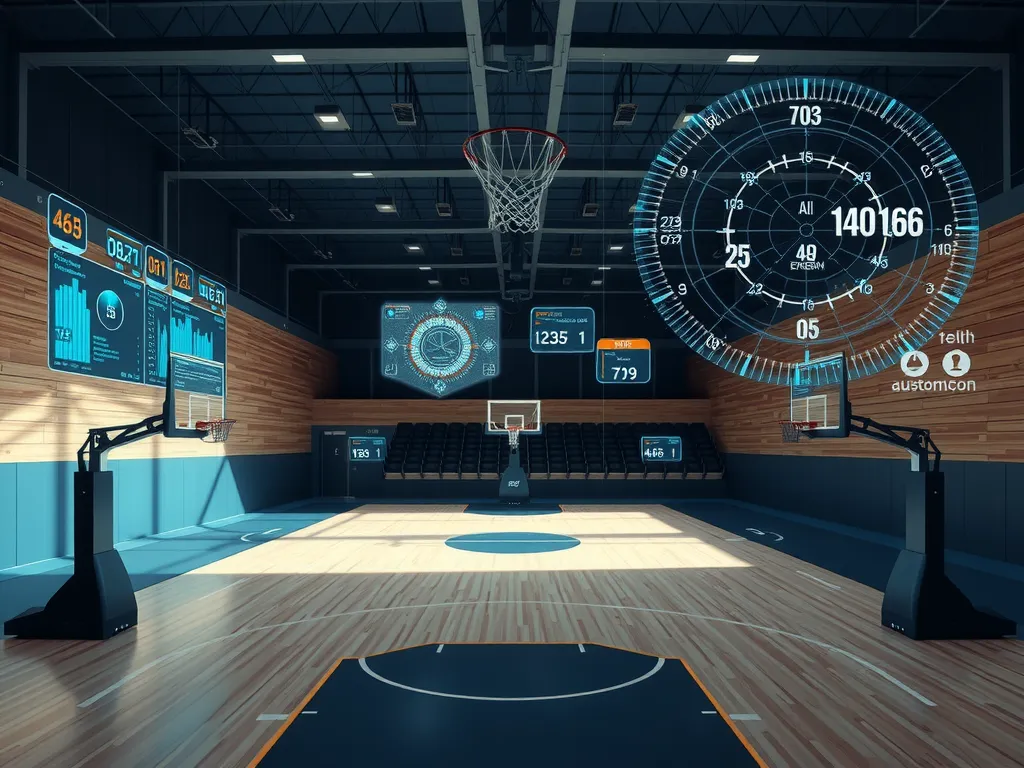
Artificial Intelligence (AI) is transforming many areas, and basketball is part of that change. From youth gyms to professional courts, algorithms and sensors now join cones and clipboards. While AI supports basic skills, it also adds an intelligent layer that helps athletes improve more rapidly, consistently, and effectively.
This article explores how AI is altering practice, strategy, fan engagement, and game analysis. We examine training tools that deliver instant feedback, decision systems that guide tactics, platforms that personalize content, and analytics that turn movement into insight. We also consider potential trade-offs—privacy, fairness, and the balance between human intuition and machine guidance—asking whether the sport becomes a computational model or remains focused on people.
AI-Enhanced Training Techniques
Traditional basketball practice emphasized repetition and endurance. AI introduces a smarter, more personalized approach, offering detailed feedback on shooting, dribbling, and overall conditioning. Systems evaluate shot quality, release points, and footwork efficiency, allowing coaches to set precise targets and determine whether progress comes from sheer volume or focused skill work.
Smart cameras and wearables, such as HomeCourt, use computer vision and 3D pose estimation to analyze play in remarkable detail, helping athletes refine technique effectively.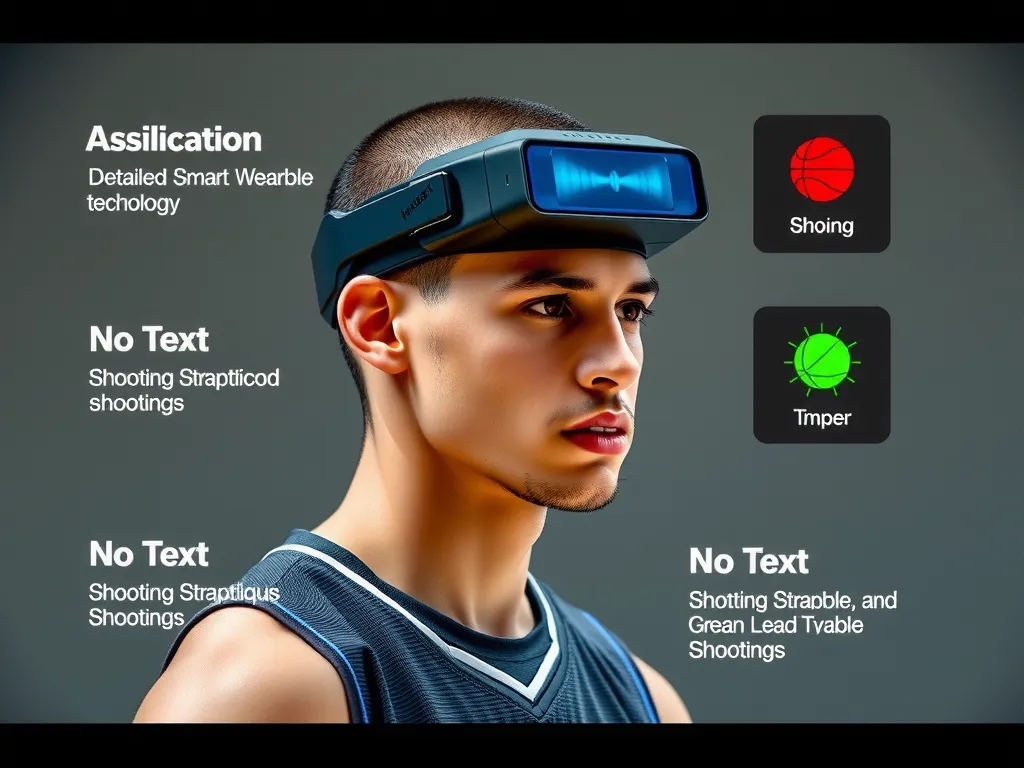 These tools assess elbow angles, follow-through, hip stability, and lower-body alignment—factors once difficult to monitor in real time. Players receive feedback like “arc too flat” or “release late,” supported by data visualizations that guide improvement. [Ultralytics,2025]
AI also aids in injury prevention. By studying movement patterns, it highlights stress points and suggests corrective actions to help extend careers. Wearables track metrics like jump counts and deceleration loads, indicating when to adjust drills or rest. The technology sets a baseline for each athlete and flags subtle changes—like tight hips or altered landings—before they escalate, informing smarter practice plans and return-to-play protocols.
Strategy Development with AI
Basketball tactics are evolving with AI. By processing large datasets on opponent tendencies, styles, and statistics, AI uncovers strategic advantages that can swing games. Possessions become sequences modeled for expected outcomes—pinpointing actions with the highest expected scoring or schemes that suppress three-point attempts. Film study shifts toward statistical modeling, with strategies updating continuously as the game unfolds.
Coaches refine rotations and defensive alignments with data that supports real-time decisions while considering fatigue and matchups.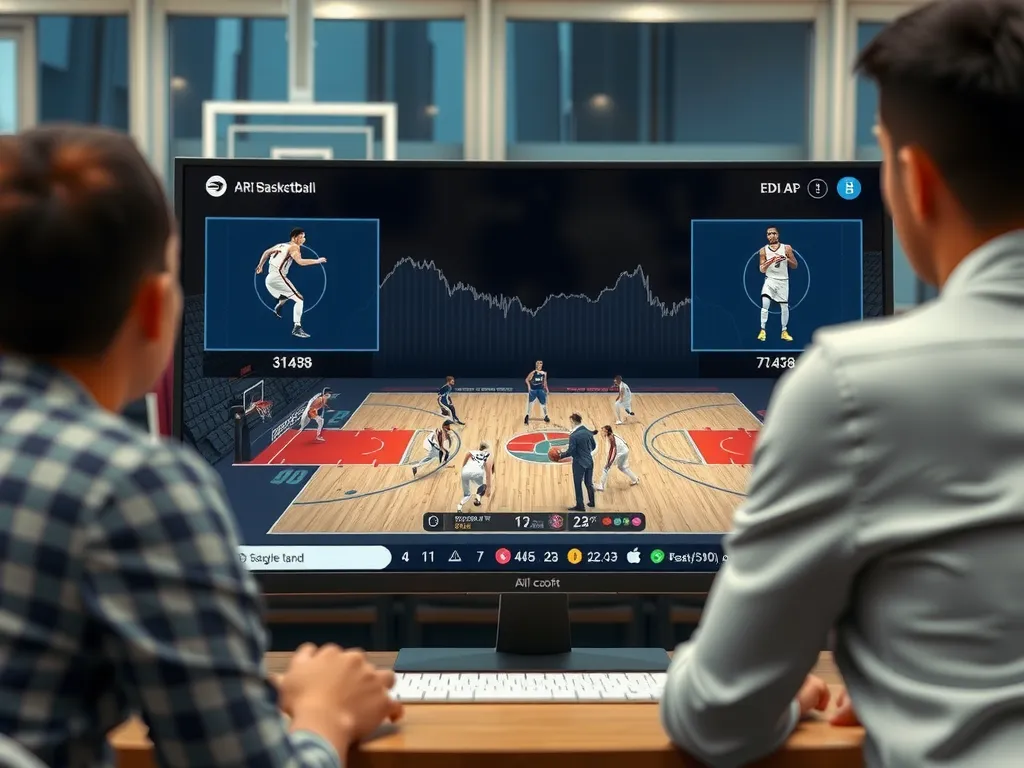 Algorithms weigh the cost of tired legs against the benefit of riding a hot hand or recommend shifts based on a shooter’s rhythm. Tools like Ultralytics and Microsoft provide extensive insights and help integrate data seamlessly into game day planning. [source: Ultralytics]
Enhancing Fan Engagement
AI is transforming fan interaction. Augmented and virtual reality offer immersive experiences, while real-time overlays let fans engage with live stats and strategy breakdowns. Second-screen features deliver win probabilities, heat maps, and synchronized shot charts, turning living rooms into mini-arenas. Inside venues, computer vision streamlines wayfinding, shortens concession lines, and supports dynamic seat upgrades.
Content platforms rely on AI to personalize at scale. Tailored highlights, curated social feeds, and targeted merchandising strengthen fan-team connections. Generative AI assembles reels featuring favorite players or key moments, keeping commentary aligned with precise basketball terminology.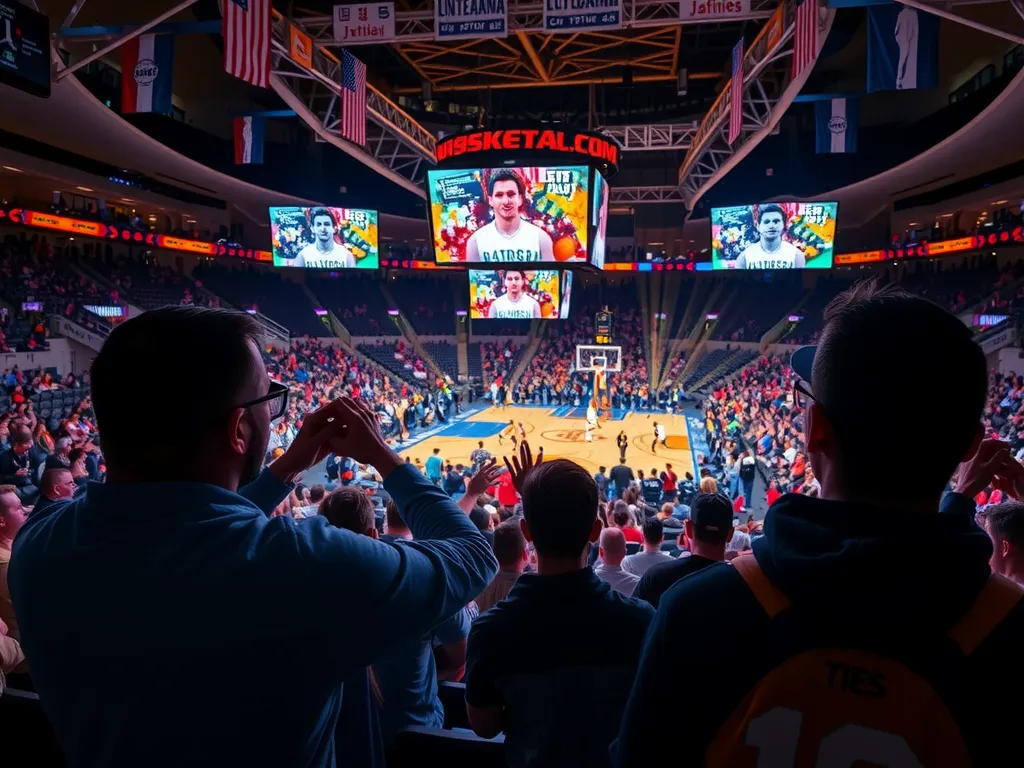 Interactive AI assistants answer real-time questions—such as explaining strategic player switches—adding context that enhances the experience.
AI-Driven Game Analysis
The shift from traditional study to AI-driven analytics unlocks new possibilities. Real-time data enables continuous evaluation and quick adjustments. Optical tracking turns player and ball movement into coordinates that reveal spacing, screen timing, and other on-court dynamics; models classify these actions and connect them to outcomes. Tasks that once took hours now happen in moments, grounding mid-game tweaks in evidence rather than guesswork.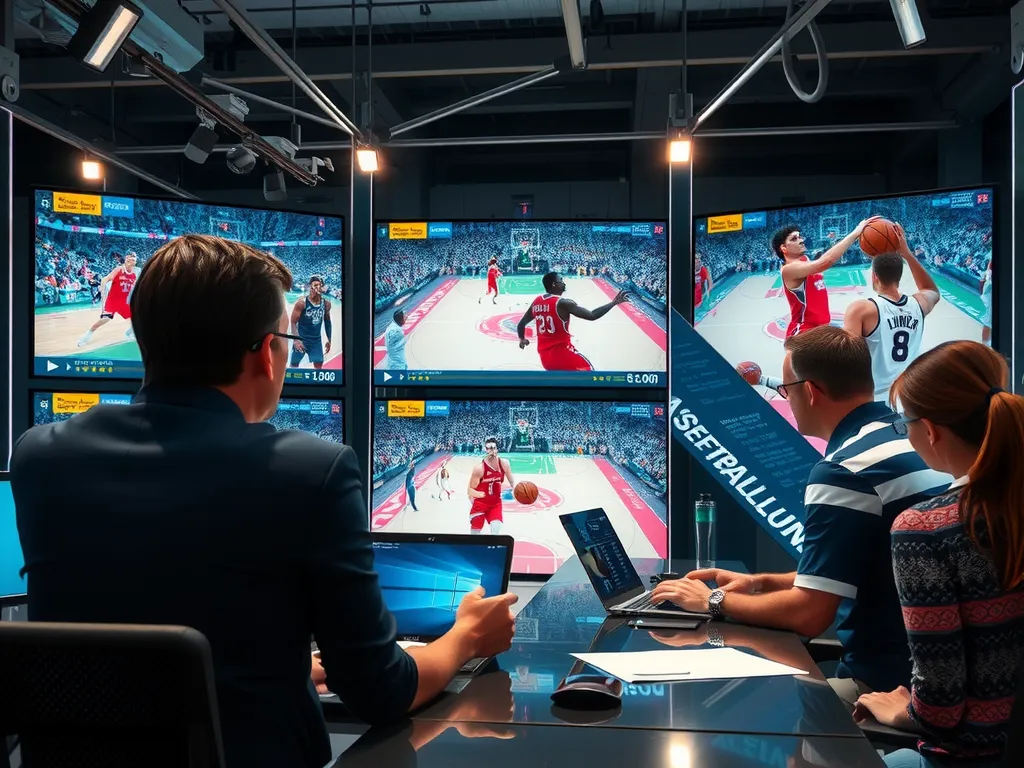
Platforms such as Second Spectrum index video by concept, allowing coaches to quickly find and review pivotal plays and strategies. Analysts can simulate scenarios—improving shot quality or rotating defensive coverages—and test them in practice, turning insights into action. [Ultralytics]
Ethical Considerations and Challenges
As AI becomes more embedded in sports, ethical concerns arise, especially around data privacy and reliance on technology. Extensive data collection—including biometrics and location—requires robust consent processes, encryption, and clarity about data ownership and use. Teams must capture AI’s benefits without compromising the rights of players or fans.
Future Outlook
As AI advances, expect progress in training methods, workload optimization, and comprehensive insights, alongside more personalized fan experiences. Edge computing will enhance courtside analysis by reducing latency and improving data privacy. Multimodal models that combine video, audio, and sensor data will better interpret game plans and execution, offering predictive insights to refine strategies.
More broadly, youth and amateur programs are adopting affordable AI tools, while colleges and professional teams share best practices across sports, drawing on insights from other disciplines to accelerate improvement and innovation. Scheduling and travel can be optimized to reduce fatigue and environmental impact without sacrificing competitiveness or fairness.
Conclusion
AI’s growing presence in basketball highlights a symbiotic relationship between technology and sport. It strengthens training, sharpens strategic planning, and deepens fan engagement. By uncovering patterns within the game, AI helps players make informed choices, enables coaches to optimize rotations, and lets fans connect with the nuances of each possession. The essence of basketball—competition, creativity, and community—remains; AI simply enhances how we perceive and enjoy it. Used thoughtfully, it provides insight without diminishing the improvisation and spontaneity that make the sport so captivating.