






The Evolution and Future of Sports Media in the MENA Region

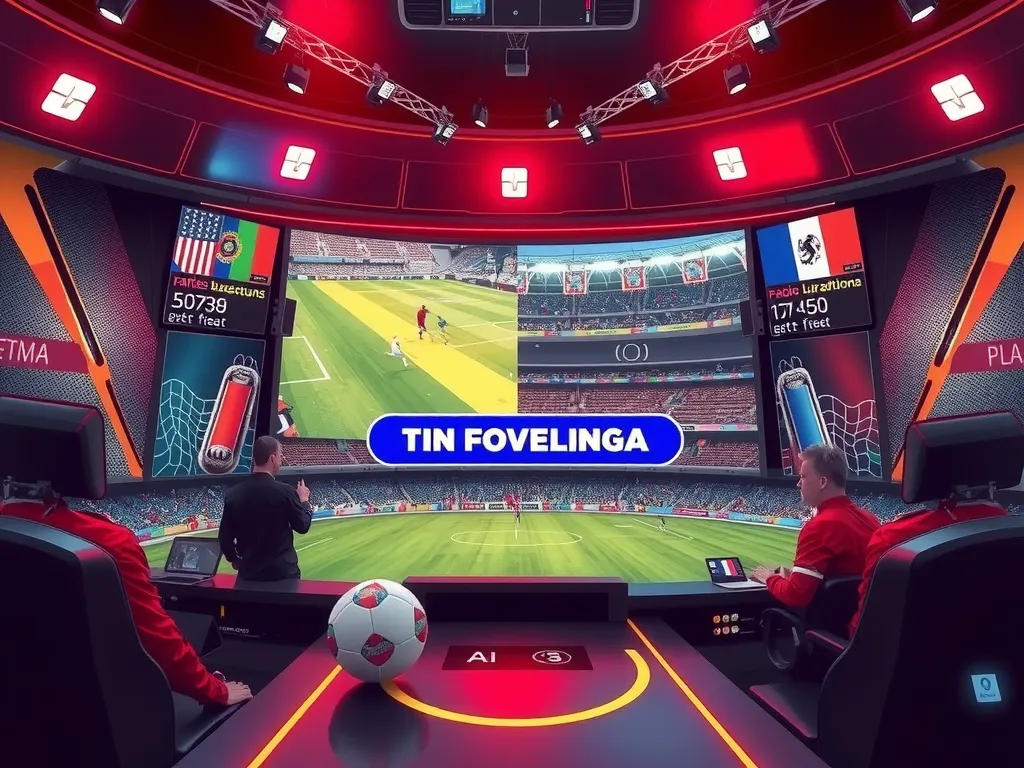
The Change and Future of Sports Media in the MENA Region
In the fast-paced world of sports, the MENA (Middle East and North Africa) region stands out for blending deep cultural roots with modern steps in sports media. As football and basketball gain speed, the scene brings together long-held fandom and new-age media systems. This article outlines how sports media in MENA has changed and looks ahead to what’s next, offering insights for regional fans and global observers alike. From mega-events that drew global attention to neighborhood tournaments watched in cafés, the region’s viewing habits are layered and dynamic. Gulf states have invested in facilities and rights, North African countries contribute vibrant fan cultures, and a growing youth population pushes experimentation in formats and platforms. These forces combine to shape a distinctive media market where heritage and innovation meet on every screen.
The Historical Background of Sports Media in MENA
Sports involvement in the region runs deep, shaped by tradition and colonial-era influences. Coverage began with radio and print, and early on international broadcasters had limited regional sway. As technology moved forward, television reshaped access to global events and infused coverage with a distinctly local voice. Early sports pages in newspapers from Cairo to Casablanca chronicled derbies and national team triumphs, while radio commentators became household names for their passionate play-by-play. These roots mattered: they set expectations for lyrical commentary, community-centered storytelling, and the idea that sports coverage should be both informative and celebratory.
The Role of Television and Satellite Broadcasting
Television became the main attraction, opening up international leagues like the English Premier League and the NBA to wider audiences. The satellite boom that followed offered channels tailored to diverse tastes across MENA. This wave set the stage for localized sports media, fueling passion and lifting viewership across the region. Satellite dishes dotted rooftops, studio shows multiplied, and weekend routines reorganized around match schedules in Europe and regional leagues. Pay-TV models emerged alongside free-to-air channels, introducing premium rights, expert analysis, and preseason tours that brought international clubs closer to regional fans. The visual grammar of sports TV—slow-motion replays, touch-screen tactics boards, and animated set designs—became familiar, and on-air personalities developed loyal followings that extended well beyond single countries.
Shift to Digital Platforms
The turn of the millennium ushered in a digital change. Mirroring global trends, MENA outlets moved online, enabling real-time updates and richer commentary. Consumption became interactive rather than passive, with social media amplifying fan participation and content creation. Streaming services—ranging from broadcaster-led apps to independent OTT platforms—made live games portable, while highlights, instant notifications, and short-form clips fit into busy urban lifestyles. Two-screen habits took hold as viewers chatted in group threads while matches unfolded, and fan-run pages, podcasts, and community newsletters diversified voices around the sport. The most successful digital brands learned to blend live coverage with explainers, behind-the-scenes vlogs, and data-driven storytelling that translated complex tactics into accessible narratives.
Current Trends in Sports Media Across MENA
Today’s sports media in MENA mixes traditional channels with digital platforms, shaped by rapid tech changes and an uneven digital landscape. The following themes highlight the forces defining it now. Large tournaments still draw families to cafés and living rooms for communal viewing, yet the same audiences often replay highlights on their phones the next morning. Clubs and federations operate their own channels to bypass gatekeepers, while creators—often former athletes or tactically savvy fans—compete with legacy outlets for attention. Measurement and monetization are evolving, with sponsorships, subscriptions, and commerce blending into hybrid models tailored to local purchasing power and payment habits.
Social Media’s Strong Influence
Platforms such as Twitter, Instagram, and TikTok have transformed interaction, enabling instant engagement and broader reach. They spark discussion, invite immediate feedback, and connect regional storylines to global events, bringing local voices into international conversations. Hashtags in Arabic and English trend during derbies; player announcements and transfer rumors break on social first; and short, vertical videos make complex tactics digestible for casual fans. Influencers and micro-creators host live rooms after matches, and clubs use interactive polls to shape content in real time. This energy comes with responsibility: moderating toxic behavior, verifying news before it goes viral, and protecting young audiences are now core editorial tasks. When managed well, social media becomes an on-ramp to deeper coverage, memberships, and community programs.
The Role of Local Languages and English Content
Arabic remains central, yet English-language coverage is growing to link regional enthusiasm with worldwide audiences. This helps expatriates and tourists access content and aligns with broader sports business strategies. Within Arabic, dialects matter—Maghrebi, Gulf, Levantine, and Egyptian expressions color commentary and memes, increasing relatability. French retains influence in North Africa, while Persian- and Kurdish-speaking communities consume adjacent content ecosystems. Bilingual shows, subtitles, and real-time translation lower language barriers and increase shareability across borders. The most agile outlets design multilingual workflows from the start, using consistent terminology, glossaries, and culturally sensitive tone to avoid misinterpretation and to serve both hardcore and newcomer fans.
Blending Global and Local in Sports Content
Glocalization—blending global scope with local context—has become a core approach for sports media in MENA. It keeps content relevant and relatable while enriching global narratives with on-the-ground insight and storytelling. Coverage adapts to local calendars—such as Ramadan programming that respects community rhythms—while still tracking international schedules. Profiles highlight regional athletes abroad and spotlight grassroots academies that feed professional pathways. International rights holders increasingly collaborate with local producers for pregame shows that feature regional analysts, culinary references, and fan culture segments. This synthesis deepens loyalty: audiences feel both part of the global conversation and seen in their local identity.
Challenges Facing Sports Media in the Region
Despite strong momentum, the sector faces significant hurdles. Understanding these limitations is essential to unlocking its full potential. Constraints vary by market size and regulation, and progress is not linear; advances in one country may coexist with setbacks in another. The next phase will require patient investment, collaborative policy work, and a commitment to audience trust that outlasts short-term trends.
Political and Economic Uncertainties
Geopolitics often shapes media operations, affecting both production and distribution. Changes in economic conditions can redirect investment in sports ventures, slowing growth and innovation. Currency fluctuations complicate rights deals priced in foreign denominations, and shifting sponsorship rules alter the composition of ad inventories. Travel restrictions can disrupt international fixtures or limit on-site coverage, while sudden policy changes may impact cross-border payments and content licensing. To endure, media organizations are diversifying revenue streams, negotiating flexible rights terms, and building contingency plans for coverage continuity.
The Need for Infrastructure Growth
Modern sports media depends on robust technology, which is unevenly available across the region. This digital gap limits access and slows the adoption of advanced media solutions. Reliable broadband, local content delivery networks, and stadium connectivity determine whether viewers receive smooth 4K streams or choppy feeds. Production teams need training in remote and cloud-based workflows, and smaller clubs require affordable tools for clip editing, graphics, and data integration. As 5G rolls out and fiber expands, opportunities for real-time interactivity, multi-camera fan views, and personalized feeds will grow—but only if infrastructure and skills keep pace everywhere, not just in major hubs.
Content Regulation Issues
Regulatory frameworks differ widely across MENA, creating inconsistent media policies. These disparities can narrow content variety and constrain the creative expression needed for compelling coverage. Variations appear in advertising rules, depictions of athletes, brand safety standards, and the treatment of topics like betting or sponsorship categories. Differences in intellectual property enforcement affect piracy deterrence, and inconsistent data privacy rules complicate subscriber analytics and targeted advertising. Clearer, harmonized guidelines—balanced with cultural sensitivities—would reduce compliance burdens and enable more cross-border partnerships, without sacrificing essential safeguards for viewers.
Future Paths for Sports Media in MENA
To keep moving forward, the sector must adopt innovations that reflect new technologies and evolving audience expectations. The aim is not technology for its own sake but solutions that meaningfully enhance storytelling, accessibility, and sustainability. Practical priorities include building shared measurement standards, investing in talent pipelines, and piloting revenue models that match local purchasing power. Partnerships—between broadcasters and startups, clubs and universities, leagues and telecom operators—will underpin this next chapter.
Using AI and Augmented Reality
AI and augmented reality are set to reshape viewing, offering immersive experiences beyond traditional broadcasts. By using these tools, media companies can deliver deeper engagement and new formats. Automated highlight creation shortens turnaround times, while multilingual speech synthesis—implemented ethically and with consent—can localize commentary at scale. Computer vision can power tactical breakdowns, xG visualizations, and player heat maps rendered as AR overlays on phones or smart TVs. Personalization engines recommend content based on favorite teams or constraints like data caps, and dynamic ad insertion can tailor sponsorship messages without disrupting the viewing flow. Guardrails are vital: clear labeling of AI-assisted content, bias audits for models, robust rights management, and privacy-by-design principles must accompany technical advances.
Improving Multilingual Content Offering
Expanding multilingual output can connect diverse audience segments and improve accessibility. Approaches that blend local dialect nuances with international language standards can extend reach and broaden the fan base. Editorial teams can develop shared glossaries to keep terminology consistent across Arabic, English, French, and other languages, and crowd-sourced community reviews can spot awkward phrasing early. Accessibility features—captions, audio description, and sign-language windows—should be standard, not add-ons. Voice interfaces and chat-based assistants can help fans find match times, player stats, or ticketing information in their preferred language. The result is not merely wider distribution but a more inclusive conversation that welcomes both seasoned supporters and newcomers.
Sustainability and Ethical Approaches
A future-ready ecosystem should prioritize sustainability and ethical production, promoting environmentally conscious practices that resonate with viewers and sponsors who value responsible operations. Remote production reduces travel emissions, efficient codecs lower bandwidth demands, and data centers powered by renewables shrink the digital footprint. Transparency matters: publishing measurable sustainability targets and progress builds credibility and guides vendor choices. Ethics extend to labor practices, representation on screen, and safeguarding athletes from harassment. Investments in mental health support for crews and talent, fair pay for freelancers, and inclusive hiring pipelines are not just moral imperatives—they strengthen creativity and resilience across the sector.
Conclusion: Opportunities and Next Steps
The mix of tradition, technology, and globalization places MENA in a key role in shaping global sports media. Realizing this promise will require tackling regulatory, infrastructure, and economic challenges with inclusive, innovative strategies. Stakeholders can start by defining audience-centric KPIs that value trust and long-term loyalty alongside view counts; by strengthening anti-piracy efforts that protect investments without punishing legitimate fans; and by aligning brand partnerships with community initiatives such as youth academies and women’s leagues. When these pieces come together, the region can serve as both a testbed for new formats and a guardian of the communal joy that first made sports compelling.
As the industry adopts new technologies, preserving cultural authenticity while embracing global perspectives will be essential. The changing landscape offers significant opportunities for stakeholders who plan ahead, pointing to a vibrant future for sports media in the MENA region. In practical terms, three priorities stand out: invest in resilient infrastructure and skills that reach beyond capital cities; build multilingual, accessible products that reflect linguistic diversity; and develop responsible AI capabilities that elevate analysis and storytelling. Complement these with shared measurement frameworks, cross-border content hubs, and clear editorial standards. Do this, and the next decade will produce media that is not only more advanced, but also more human—rooted in the region’s history, responsive to its audiences, and confident on the world stage.