






The Evolution of Football Analytics: Transforming the Game in the MENA Region


The Progression of Football Analytics: Transforming the Game in the MENA Region
In recent times, football has progressed beyond the traditional action on the field, evolving into a sophisticated science powered by analytics. This change is not just global but is also making a significant impact across the Middle East and North Africa (MENA). This article examines how analytics is reshaping the game in MENA, turning statistics into strategy and legacy into future leaders. What was once the domain of intuition, anecdote, and highlight reels now includes granular datasets, objective performance metrics, and predictive models that help decision‑makers act with greater confidence.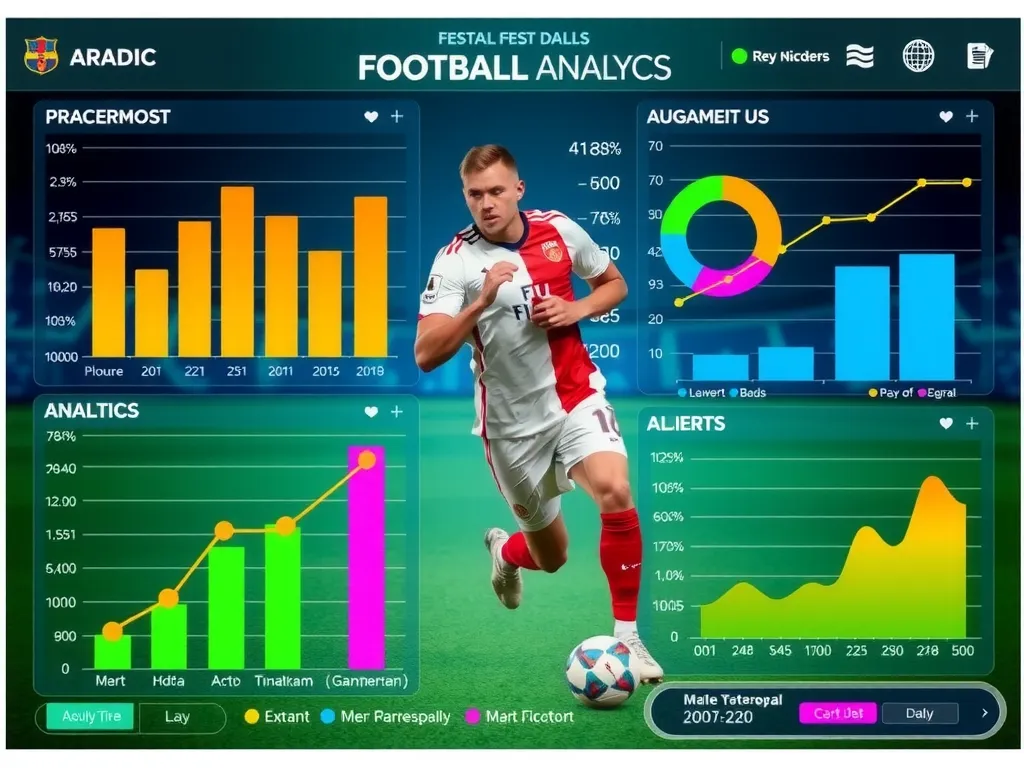 From academy scouting reports to first‑team training loads, from ticketing strategies to broadcast storytelling, almost every touchpoint around the sport is being illuminated by data. Crucially, the shift is not about replacing the human feel of the game; it is about augmenting it—giving coaches, players, executives, and fans a clearer view of the moments that matter and the patterns that are easy to miss in real time. In the MENA region, where football culture is deeply rooted, analytics offers a bridge between tradition and a more evidence‑based future.
The Growth of Football Analytics
The global football community has adopted analytics as a crucial tool for boosting player performance, tactical analysis, and team management. It started with the collection of basic stats like player speed and game heat maps and has grown into complex algorithms and AI-driven insights that impact every part of the sport. Early frameworks focused on descriptive statistics—shots, passes, tackles—before shifting to chance‑quality models such as expected goals (xG) and chance creation metrics that contextualize actions rather than merely count them. Tracking data captured by cameras and wearables expanded the canvas, enabling analysts to quantify pressing intensity, defensive compactness, field tilt, and off‑ball movement. Today, clubs combine event data with physiological indicators like heart‑rate variability and perceived exertion to manage workload and reduce injury risk. The toolset now spans cloud databases, scripting languages, and visualization software that bring clarity to complex questions: Which profiles thrive in a specific league? How does a high press degrade after minute 70? Which substitution patterns maximize set‑piece threat? As the questions evolved from “what happened” to “why” and “what next,” analytics matured from an add‑on to a core capability.
The MENA Region’s Football Scene
The MENA region, with its rich cultural diversity and growing enthusiasm for football, offers a unique environment where tradition meets modern analytical techniques. Here, football is more than a sport; it beats in time with societal movement and change. Despite obstacles such as infrastructure and investment gaps, analytics provides a clear path for growth. The region’s football ecosystem spans historic clubs and emerging powers, passionate fan bases, and a youthful demographic eager to learn and innovate. Climate, travel distances, and fixture congestion pose distinct performance challenges that data can help address—think hydration strategies guided by sweat‑rate analysis or travel‑induced fatigue monitored through sleep metrics. Language and educational diversity also shape how insights are communicated; dashboards and reports increasingly appear in Arabic, French, and English to reach coaches, executives, and players alike. Meanwhile, national federations and leagues are investing in stadium modernization, broadcast enhancements, and talent development pathways. These investments, when accompanied by robust data practices, allow MENA teams to benchmark against international standards while retaining a style and identity that reflects local football culture.
Integration of Analytics in MENA Football
Across the region, football clubs are recognizing the strong advantages of analytics. From data-driven recruitment to real-time game strategies, clubs like Al Hilal and Zamalek are incorporating analytical tools into their sports culture. This data-focused approach helps spotlight talent, optimize training routines, and refine matchday tactics. A modern workflow typically begins with scouting models that surface players whose attributes align with a club’s game model—pace for transition‑heavy teams, progressive passing for possession sides, or aerial dominance for set‑piece specialists. Analysts enrich these shortlists with video context, medical histories, and salary benchmarks, allowing technical committees to evaluate risk and fit. On the training ground, GPS sensors and inertial units track distance, accelerations, and high‑intensity efforts to personalize loads for different positions and injury profiles. Coaches review opponent tendencies—pressing triggers, weak zones on set pieces, or full‑backs who underlap rather than overlap—to design targeted sessions. On matchday, staff receive live dashboards highlighting momentum swings, pressing efficiency, and fatigue flags, helping them time substitutions or tweak pressing heights. Post‑match, analysts compile iterative feedback loops, aligning performance indicators with the club’s long‑term development plan for both first‑team and academy squads.
Influence on Team Strategies and Performance
The essence of analytics in football is its ability to reshape team strategies.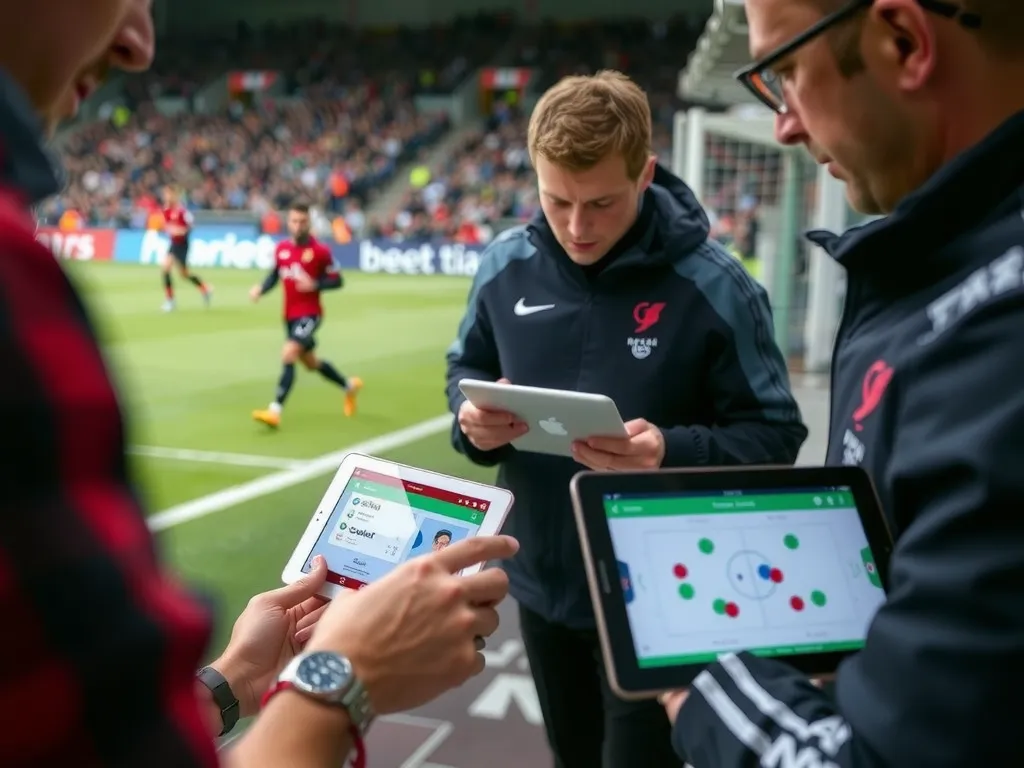 Coaches and analysts collaborate to create playbooks that exploit opponents’ weaknesses and act on real-time data. With detailed analysis, scenarios are simulated, guiding informed in-game decisions that can change the outcome. Consider pressing schemes refined by metrics like passes per defensive action (PPDA) or counter‑press recovery time, which reveal not only how often a team presses but how effectively it wins the ball in dangerous zones. Expected threat (xT) and possession value models show where on the pitch a team is most likely to generate danger, enabling training that prioritizes zones of highest return. Set‑piece design has become a micro‑science of blocking runs, delivery trajectories, and rebound positioning, while “rest defense” structures are engineered to protect against counters when full‑backs advance. Coaches also rely on fatigue models to anticipate drop‑offs late in matches, aligning substitution windows with tactical objectives, not just tired legs. By integrating video evidence with numerical thresholds, staff can communicate complex ideas simply—“press on the second touch,” “force the pass outside,” “switch to a back three in build”—so players execute with clarity under pressure.
Case Study: Successful Analytics Adoption
A standout example is Al Ahly SC’s recent revival. By using data analytics, they reworked player formations and unlocked hidden potential in several key players, leading to a successful season praised by analysts and fans alike. The club’s staff combined recruitment modeling with role‑based development: identifying profiles that complemented an aggressive counter‑press, then conditioning the squad to maintain short, intense sprints rather than long, steady runs. Set‑piece routines were iterated weekly using opponent tracking tendencies, while minute‑by‑minute load monitoring helped reduce soft‑tissue injuries across congested schedules. In possession, analysts mapped passing networks to spotlight where progressive lanes stalled, prompting a shift in the midfield pivot and encouraging center‑backs to step into space. Young prospects were evaluated with the same metrics as first‑team players, ensuring a coherent pathway. Importantly, the analytics function was embedded in the club’s language and culture; insights were delivered through concise clips and on‑field walk‑throughs rather than dense reports. The result was not merely better numbers but a clearer identity—more efficient chance creation, quicker ball recoveries, and a squad built to sustain its style across domestic and continental competitions.
Future Trends and Innovations
The future of football analytics is nothing short of groundbreaking. With emerging technologies like machine learning, AI, and IoT, the future promises even more detailed insights. Clubs in the MENA region are already investing in these technologies to stay ahead of global rivals. We can expect edge computing in stadiums that processes tracking feeds in near real time, allowing analysts to send instant cues to the bench without bandwidth bottlenecks. Computer vision is evolving from player localization to action recognition—detecting body orientation, pressure angles, and passing lanes frame by frame. Digital twins of training environments will enable scenario planning: What if the team presses higher for 15 minutes after halftime? How does that alter substitution needs? Meanwhile, conversational AI will help non‑technical staff query data in natural language, widening adoption. Off the pitch, hyper‑personalized fan experiences will sync live metrics with augmented reality overlays in stadiums and on second screens, bringing supporters closer to tactical narratives. Sustainability analytics—monitoring travel footprints, pitch maintenance, and energy usage—will also inform operational decisions, aligning football progress with broader environmental goals. For MENA teams seeking competitive edges, these tools promise both performance gains and new commercial opportunities.
Challenges and Debates
Despite its benefits, football analytics faces obstacles. Concerns over data privacy, high implementation costs, and resistance from traditionalists who prefer human-centric strategies present significant challenges. Supporters believe that while data is a facilitator, it should complement rather than replace the human aspect of the game. In practice, the hardest problems are often organizational: building trust between analysts and coaches, agreeing on definitions for key metrics, and avoiding “analysis paralysis” where too much information clouds decisions. Data quality varies by vendor and stadium, and tracking errors can mislead conclusions if not validated against video. Small samples—such as knockout tournaments or short loan spells—inflate randomness, requiring skepticism and robust uncertainty ranges. Privacy rules and data sovereignty considerations shape how player information is stored and shared, especially when clubs collaborate across borders. Costs extend beyond software licenses to talent acquisition, training, and change management. There is also the risk of model bias: if training data underrepresents certain leagues or playing styles, recommendations can skew. Healthy debate centers on keeping the player at the heart of the process—respecting intuition, context, and leadership while using numbers to clarify, not dictate.
Practical Applications for Fans and Organizations
Beyond the field, football analytics enriches the fan experience and boosts organizational efficiency. From personalized fan engagement apps to logistics like scheduling and inventory management, analytics provides a comprehensive set of benefits. Clubs use segmentation models to tailor communications, memberships, and matchday experiences to different supporter groups, improving satisfaction and revenue without diluting authenticity. Dynamic ticketing balances demand with accessibility, while crowd‑flow analysis optimizes entry gates and concessions to reduce queues. Broadcasters employ live win‑probability and pressing intensity graphics to tell richer stories, and youth programs track skill acquisition to personalize drills that keep young players engaged. At the organizational level, predictive maintenance extends the life of training equipment and pitches; supply‑chain analytics streamline kit and merchandise ordering; and community initiatives use data to target outreach where sport can have the greatest social impact. Women’s football across the region benefits from the same frameworks—talent ID models, injury‑prevention protocols, and targeted marketing—ensuring growth is inclusive. For supporters, the payoff is a more immersive, informed connection to the teams they love, whether they are in the stadium or following from afar.
Conclusion
In summary, football analytics is not just changing the game in the MENA region; it is leading a new era. The strategic integration of analytics marks an evolution from mere gameplay to a mix of art, technology, and strategic foresight. As clubs embrace this trend, they enhance their competitiveness and contribute to the sport’s global story. The greatest successes arise when data is woven into everyday routines—clear questions, disciplined measurement, and feedback that respects the realities of training and competition. When leaders set a vision, invest in people, and cultivate curiosity, analytics becomes a force multiplier rather than a jargon‑filled side project. The MENA region, with its deep football heritage and growing technical talent, is well positioned to shape the next chapter: rigorous on the training pitch, imaginative in the boardroom, and welcoming to fans whose passion fuels it all.
The steps taken now will decide how MENA’s football blends with future trends to create a strong yet culturally rich sporting scene. For organizations, players, and fans alike, analytics promises a bright future of informed decisions, enriched experiences, and inclusive growth. Practical next actions include building bilingual education pathways for coaches and analysts, establishing shared data standards between clubs and federations, and piloting small, high‑impact projects that demonstrate value—such as set‑piece optimization, injury‑risk dashboards, or recruitment profiles for a single position group. Success will not hinge on owning the most data but on asking the best questions, committing to ethical use, and empowering people to act on insights. With patience and purpose, the region can turn numbers into narratives, insights into identities, and potential into sustained excellence—preserving what makes MENA football distinctive while embracing the tools that will carry it boldly into the future.